How to Clean Rusty Tools With WD-40: A Practical Guide
Rust on hand tools can compromise performance and shorten lifespan if not addressed promptly. This guide explains a practical, step-by-step approach to removing rust and restoring tool functionality using WD-40 products and common rust removal supplies.
Readers will find actionable methods for both light surface rust and more stubborn corrosion, with safety notes and maintenance tips to help tools stay in good condition longer.
Quick Answer
Apply WD-40 Specialist Rust Release to penetrate and loosen rust, then scrub with a steel wool or wire brush. For heavy rust, use a rust converter spray on bare metal after de-rusting, followed by a protective coating.
What You’ll Need
- WD-40 Specialist Rust Release Penetrant Oil for Tools to penetrate rust and loosen the grip of corrosion
- Tool rust removal kit steel wool and wire brush set for scrubbing
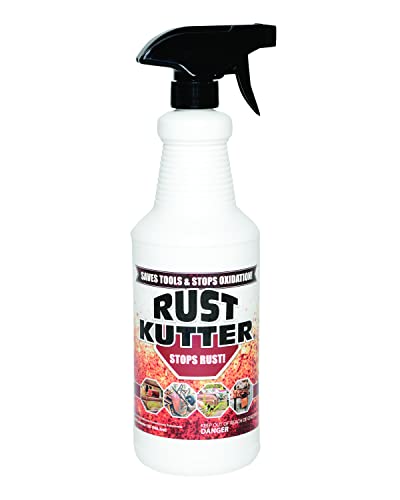
- Rust converter spray for tools and metal surfaces to convert remaining rust into a stable layer


Before You Start
Assess the tool’s condition and determine whether rust has compromised structural integrity. If a wrench or chisel handle cracks easily under use, replacement is safer than repair. Work in a well-ventilated area and wear gloves to protect skin from solvents. Clean the workspace of dust and debris to prevent recontamination of tools during treatment. Plan for several steps and allow time for each stage to dry or cure.
Critical cautions include avoiding mixed chemical use that could create fumes, never applying too much solvent on wooden handles, and testing on an inconspicuous area first to ensure no finish damage.
Step-By-Step: How To Clean Rusty Tools With WD-40
- Identify rusted areas and remove loose flakes with a dry brush.
- Apply WD-40 Specialist Rust Release or WD-40 Multi-Use Product to the rusted surface, allowing it to soak for several minutes to penetrate.
- Gently scrub with steel wool or a wire brush set to lift rust without scratching the tool’s functional surfaces.
- Wipe away dissolved rust residues with a clean cloth, repeating the spray and scrub steps as needed for stubborn spots.
- If any rust remains, apply a thin coat of rust converter spray to the affected area and let it cure per the product instructions.
- Inspect moving parts and apply additional WD-40 to hinges, joints, or threads to ensure smooth operation.
- Rinse or wipe tools thoroughly to remove residue, then dry completely to prevent new rust formation.
- Optionally apply a light protective coating or oil to metal surfaces to reduce future rust risk.
- Test the tool for proper operation, ensuring that moving parts move freely without excessive resistance.
- Store tools in a dry, ventilated area, ideally with a humidity control measure to slow future corrosion.
- Record maintenance steps for future reference and schedule periodic rust checks on frequently used tools.
Troubleshooting
| Symptom | Likely Cause | Fix | Prevention |
|---|---|---|---|
| Rust returns after storage | Moist environment or residual moisture | Wipe dry, reapply a light oil, and improve storage conditions | Use airtight or desiccant-enabled storage; keep tools dry |
| Handle finish tarnished by solvent | Overexposure of wood or painted handles | Test first on a hidden area; limit solvent contact | Use mineral oil on wooden handles after cleaning |
| Stubborn rust remains on flat surfaces | Deep pitting or heavy corrosion | Repeat rust release and brushing; consider rust converter for residuals | Regular maintenance to prevent deep pits |
| Movements still stiff after treatment | Gummed joints or seized threads | Apply penetrating oil and exercise the mechanism | Frequent lubrication as part of routine care |
Common Mistakes
- Using too much water or moisture after rust treatment
- Over-scrubbing metal to the point of surface damage
- Skipping drying times, which invites quick re-oxidation
- Ignoring safety gear in favor of speed
Tips For Best Results
- Work in small sections to prevent rust spreading across clean areas
- Always follow product instructions for full cure times and safety guidelines
- For tools with threads, apply a light thread lubricant after cleaning to improve operation
- Combine rust release with periodic protective oil to extend tool life
- Name your tools and track maintenance dates to build a routine
Call A Professional
Consult a pro if rust has caused metal fatigue, chipped edges, or structural failure in critical tools (such as chisels with hollow handles or sockets experiencing cracking). Seek professional assessment if a tool’s integrity is uncertain or if repairs require specialized equipment.
FAQ
Can WD-40 remove all rust?
WD-40 helps loosen and reduce rust but may not fully restore heavily corroded metal; use rust converters for stubborn spots and consider replacement for compromised parts.
Is rust converter safe on all metals?
Most rust converters are suitable for steel and iron; always check the product label for compatibility with aluminum or coated surfaces.
How often should I treat tools to prevent rust?
Inspect tools monthly in damp environments and apply a light protective oil after cleaning as part of routine maintenance.
What storage setup minimizes rust?
Store tools in a dry, cool area with low humidity and consider silica gel packs or a dehumidified toolbox.
Should I remove rust before sharpening blades?
Yes. Rust removal improves sharpening results and reduces wear on sharpening stones or files.
Is WD-40 safe for wooden handles?
Limit solvent contact with wood; wipe quickly and apply a protective oil to wooden handles after cleaning.
Buying Guide
When choosing products to maintain and restore rusty tools, consider several key factors to optimize results and long-term performance.
Size and scope: Look for rust removal products and converters that fit typical workshop tasks, from small screwdrivers to larger pry bars. A compact rust removal kit plus a spray bottle of rust release covers most needs.
Noise and odor: Some solvents have strong fumes. Ensure proper ventilation and consider low-odor options if the workspace is tight or shared.
Energy efficiency and environmental impact: Choose formulations with safer base solvents and lower environmental impact; reuse or reuse containers where possible and follow disposal guidelines.
Controls and application: A spray-on rust converter is convenient for broad areas, while brushes or steel wool provide targeted control. A pen-style rust release product can be handy for tight spots.
Placement and storage: Store tools in a dry, ventilated area away from moisture sources. Use desiccants in toolboxes and keep solvents in labeled, upright containers away from heat sources.
For most amateur and professional workshops, a combination of WD-40 Specialist Rust Release, a steel wool and wire brush set, and a rust converter spray provides a versatile system for routine maintenance and heavy rust scenarios. Compare product labels for compatibility with your tool types, and consider purchasing a small tool-care kit for consolidated storage and convenience. With consistent care, tools stay functional longer and resist future corrosion more effectively.
Leave a Reply