How to Professionally Clean Carpet
Professional carpet cleaning extends the life of flooring, improves indoor air quality, and restores bounce and color to worn fibers. This guide provides a practical, step-by-step approach suitable for American homes and commercial spaces, emphasizing safe technique, effective extraction, and common-sense maintenance.
Quick Answer
For best results, use a high-powered extraction method with hot water, a dual-tank system to separate clean and dirty water, and a rotating brush for agitation. Pre-treat stains, extract thoroughly, and allow ample drying time to prevent resoiling.
What You’ll Need
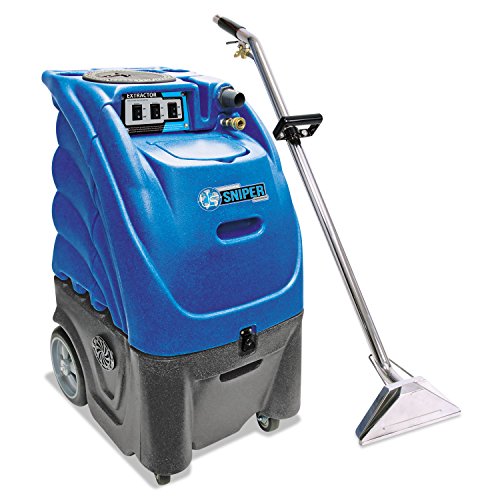
- Professional hot water extraction carpet cleaner 120V dual-tank machine
- Upright carpet cleaner with built-in heater dual tanks professional
- Carpet stain extractor machine with rotating brush and cleaning solution reservoir


Before You Start
Clear the area of furniture and secure guests or pets. Vacuum thoroughly to remove loose soil and dry, dry debris. Test a small inconspicuous area with your cleaning solution to ensure colorfastness. Wear protective gloves and use eye protection if handling concentrated solutions. Plan for a cleaning session that allows at least a few hours of drying time; for high-traffic rooms, expect longer. Avoid overwetting to minimize long drying times and the risk of mold.
Step-By-Step: How To Professionally Clean Carpet
- Prepare the machine: Fill the clean-water tank with hot water and the appropriate carpet cleaning solution as directed by the manufacturer. Ensure the dirty-water tank is properly seated and ready to collect soil.
- Pre-treat stains: Apply a targeted stain remover to spots such as coffee, wine, or pet stains. Let it dwell per label instructions to loosen soils before agitation.
- Agitate lightly: Use the machine’s rotating brush or gentle agitation to lift embedded soil. For heavily soiled areas, run several passes with moderate speed to avoid fiber damage.
- Deep clean with extraction: Slowly pass the machine over each carpet section, allowing the dual-tank system to suck up dirty water as you rinse. Overlap strokes to ensure full coverage.
- Rinse if needed: Some setups benefit from a second rinse pass with clear water to remove residual cleaning agents, which helps prevent resoiling.
- Address high-traffic zones: Pay extra attention to entryways, stairs, and hallways where soils accumulate. Do multiple passes if soils persist.
- Dry surfaces and edges: Use a fan, open windows, or a dehumidifier to accelerate drying. Lift the carpet edges slightly to promote ventilation beneath the pile if feasible.
- Inspect and touch up: After initial drying, re-vacuum to lift fibers and remove any remaining residues. Re-treat any remaining stains as needed.
Troubleshooting
| Symptom | Likely Cause | Fix | Prevention |
|---|---|---|---|
| Water not dispensing | Blockage or empty clean-water tank | Check hoses, fill tank, and clear any clogs | Regularly inspect hoses and seals |
| Excessive suds | Detergent-based residue | Use low-foaming cleaner; perform an extra rinse | Use recommended cleaning solutions only |
| Spotty or uneven cleaning | Uneven movement or insufficient suction | Slow, overlapping passes; verify suction is steady | Maintain consistent speed and pressure |
| Persistent odor | Deep-seated soil or mold risk | Deep clean again with fresh water and proper drying | Ensure thorough drying and ventilation |
Common Mistakes
- Using too much cleaning solution, causing residue and longer drying times
- Over-wetting delicate carpets or padding, leading to mold or stretched fibers
- Rushing steps and skipping a pre-treat for stubborn stains
- Ignoring drying procedures, resulting in damp environments that invite odor
Tips For Best Results
- Pre-treat visible stains for better extraction results
- Work in grid sections to ensure complete coverage
- Keep the machine moving at a steady pace to avoid over-wetting
- Use a carpet protector after cleaning to extend the results
Call A Professional
Seek a professional if the carpet pile is delicate, heavily soiled, or water damage is suspected. Stop and consult a pro if stains reappear after cleaning, if odors persist after thorough drying, or if you notice persistent dampness in padding or underlays.
FAQ
What is the difference between professional cleaning methods and DIY machines?
Professional methods typically use more powerful equipment, stronger solutions, and higher heat levels to extract deeper soils and moisture.
How often should carpets be professionally cleaned?
Most homes benefit from every 12–18 months, depending on traffic, pets, and indoor conditions.
Can I clean stairs with a portable extractor?
Yes, many upright and portable units can clean stairs, but use caution to maintain balance and avoid over-wetting.
Is hot water extraction safe for all carpet fibers?
In most cases yes, but always test a hidden area and follow manufacturer guidelines for specific fiber types.
What drying time should I expect after a professional cleaning?
Most rooms dry within 4–12 hours, depending on airflow, humidity, and carpet construction.
Buying Guide
Choosing the right equipment matters for consistent, professional-grade results. Consider size and maneuverability for your space, noise level for occupied homes, energy efficiency, and control options that fit your workflow. Evaluate whether you prefer a built-in heater for faster drying or dual-tank design that separates clean and dirty water for ongoing performance.
Key buying factors include:
- <bSize and weight: A lighter unit is easier to maneuver in tight rooms and staircases but may have fewer features.
- <bNoise level: Quieter models reduce disruption in homes with family activity or offices nearby.
- <bEnergy efficiency: Systems with efficient motors and optimized suction lower running costs and heat generation.
- <bControls and usability: Intuitive controls, clear indicators, and simple maintenance save time during cleaning sessions.
- <bPlacement and storage: Consider where the machine will live when not in use and whether it fits in closets or garages.
Thinking through these factors helps align a purchase with cleaning goals, ensuring professional-grade results without unnecessary complexity. If selecting multiple options, compare their dual-tank configurations, heating options, and brush mechanisms to identify the best fit for carpet types and soil levels in the space.
Leave a Reply