How to Get Rid of Spider Webs
Spider web removal is a common household task that keeps living spaces clean and inviting. By choosing the right tools and following a safe, efficient method, homeowners can reduce the buildup of webs without harsh chemicals. This guide provides practical steps tailored to American homes, along with product suggestions that align with common dusting and vacuuming tasks.
Whether you’re dealing with delicate corners, ceilings, or outdoor eaves, a systematic approach helps maintain a spider-free environment. The following sections present a clear plan, from quick answers to detailed steps, safety notes, and practical maintenance tips.
Quick Answer
Use a extendable cobweb duster or telescoping dusting wand to reach high or tight spots, then finish with a handheld vacuum cobweb remover attachment for lingering debris. For stubborn webs, repeat the dusting pass and vacuum edges to prevent reattachment.
What You’ll Need
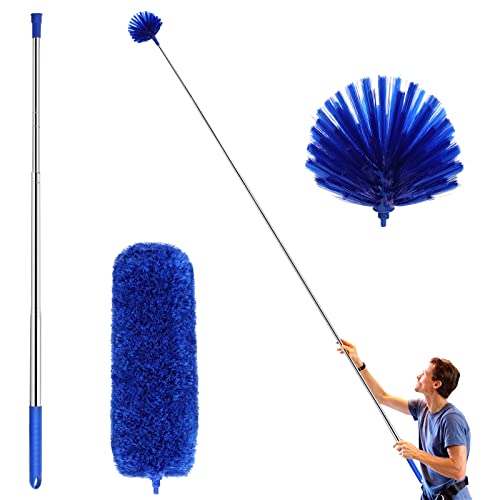
- Extendable cobweb duster microfiber telescoping
- Telescoping dusting wand cobweb removal tool
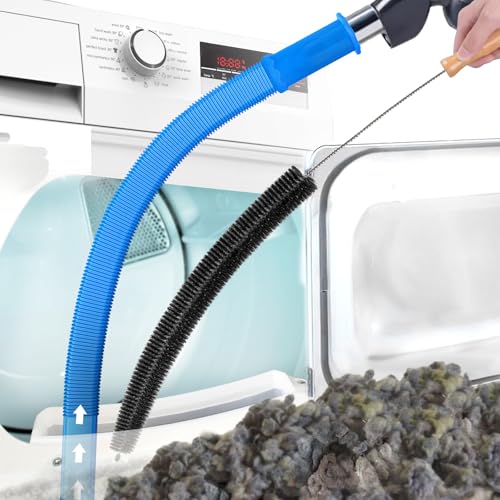
- Handheld vacuum cobweb remover attachment

Before You Start
Prepare the area by removing fragile items and ensuring pets and kids are out of the room. Wear a lightweight mask if dust becomes airborne. Check ceilings, corners, and outdoor eaves for webs, and plan to tackle one room or area at a time. Expect 15–30 minutes for smaller spaces and up to an hour for larger rooms or exterior gutters. Exercise caution when working near ceilings or electrical fixtures.
Step-By-Step: How To Get Rid Of Spider Webs
- Identify the most affected areas: corners, window frames, ceiling corners, and outdoor overhangs.
- Extend the cobweb duster to reach high or awkward spots, and gently sweep along the web’s length to detach the strands.
- For tight gaps, use the telescoping dusting wand cobweb removal tool to access crevices without climbing ladders.
- Return to the detritus with a handheld vacuum cobweb remover attachment to capture loose fibers and prevent re-spreading.
- Inspect adjacent surfaces for stray threads and repeat as necessary to ensure a clean finish.
- Wipe nearby surfaces with a dry microfiber cloth to collect any remaining dust particles.
- Address outdoor webs first to prevent indoor intrusion; move indoors to finish where necessary.
- Close off the area and dispose of collected debris in a sealed bag to minimize reattachment from air currents.
- Schedule periodic checks, especially in fall when webs are more common, and repeat as needed.
- Protect treated areas by resealing gaps or sealing cracks that may harbor webs in the future.
- If webs persist in humid areas, inspect for moisture sources that encourage spider activity and address them.
- Document the approach and adjust the tool combination based on room height and surface texture for future tasks.
Troubleshooting
| Symptom | Likely Cause | Fix | Prevention |
|---|---|---|---|
| Webs return shortly after cleaning | Active spider presence or new webs formed quickly | Clean regularly; consider outdoor sealing and reducing lighting that attracts insects | Seal gaps, limit nighttime lighting near entryways |
| Web strands resist removal | Stubborn silk with moisture or dust buildup | Dampen the duster slightly and retry; avoid wetting surfaces that can be damaged | Keep humidity in check and wipe surfaces before webbing forms |
| Dusting tool leaves lint | Low-quality microfiber or dirty tool | Wash or replace the microfiber components; ensure the tool is clean between uses | Regularly maintain cleaning tools |
| Webs in hard-to-reach outdoor areas | Overhangs or eaves difficult to access | Use extended reach tools; consider a handheld vacuum attachment for the final pass | Schedule seasonal outdoor checks |
Common Mistakes
- Using only a cloth or dry brush on high webs, which can cause fibers to shed and scatter
- Skipping outdoor cleanup, allowing webs to migrate indoors
- Neglecting to secure fragile decor and furniture before cleaning
- Relying on a single tool for all surfaces; different textures may require combinations
Tips For Best Results
- Combine tools: extendable cobweb duster for initial reach, then handheld vacuum for final pickup.
- Work from top to bottom to prevent redepositing dust on cleaned areas.
- Schedule regular maintenance in seasons with higher spider activity.
- Store tools in a dry area to prevent mold on microfiber components.
- Keep moisture levels moderate; excessive humidity can attract more insects.
Call A Professional
Consider a professional if webs persist after repeated cleaning, if there is a known infestation, or if webs are found in hard-to-reach areas like attic beams or interior wall cavities. Seek help sooner rather than later if you notice signs of spider activity beyond webs, such as spiders in living areas, eggs sacs, or noticeable droppings.
FAQ
What’s the easiest way to remove a web from a ceiling corner?
Use an extendable cobweb duster or telescoping wand to reach the corner, then follow with a handheld vacuum to remove any remaining fibers.
Can I use water on webbing?
Lightly misting the duster with water can help trap fibers, but avoid soaking surfaces or delicate finishes.
How often should I clean webs around doors and windows?
Inspect and clean monthly during peak insect seasons to prevent buildup.
Are there chemical cleaners I should avoid?
Avoid harsh solvents near electronics, fabrics, and painted surfaces. Use tool-based removal first, then minimal cleaners if needed.
Buying Guide
Choosing the right spider web removal tools depends on space, height, and the surfaces you clean. Consider the following factors to compare options and pick the best setup for your home.
Size and Reach
Look for extendable handles with adjustable lengths to cover ceilings, corners, and outdoor eaves without ladders. A longer reach reduces risk and effort in tall rooms.
Noise Level and Comfort
Manual dusters and lightweight wands are quiet and easy to maneuver. For frequent, long cleaning sessions, ergonomic handles reduce fatigue.
Materials and Build
Microfiber sleeves grab dust effectively and can be washed. Durable plastic wands and secure joints prevent wobble during use.
Energy Efficiency and Power
When using a handheld vacuum attachment, choose models with efficient motors and good suction to capture webs and debris without excessive power draw.
Controls and Adaptability
Interchangeable heads and quick-release extensions allow fast adjustments for different surfaces and heights. Look for tool compatibility with existing attachments.
Placement and Storage
Opt for compact designs that nest or collapse for storage in a cleaning closet. Hydrophobic coatings on handles help resist moisture in damp spaces.
Budget and Value
Consider a kit that includes both a extendable cobweb duster and a handheld vacuum attachment for flexibility. Balance upfront cost with long-term durability and ease of replacement sleeves.
Leave a Reply