How to Clean a Fish Tank Without Removing the Fish
Maintaining a healthy aquarium often means keeping the tank clean without stressing the inhabitants. This guide focuses on practical methods using common tools like a gravel vacuum siphon, a magnetic algae scraper, and a water changer kit. With careful planning, partial water changes and surface cleaning can be done while fish stay in place.
By following a structured approach, hobbyists can reduce detritus, control algae, and preserve stable water conditions. The techniques outlined here are suitable for many freshwater setups and can be adapted to different tank sizes and inhabitants.
Quick Answer
Key steps: isolate maintenance area, use a gravel vacuum to remove debris from the substrate, scrub glass with a magnetic algae scraper, perform a controlled water change using a siphon pump, and recheck water parameters after cleaning. Do not drain the tank completely unless absolutely necessary.
What You’ll Need
- Aquarium gravel vacuum siphon kit with hose
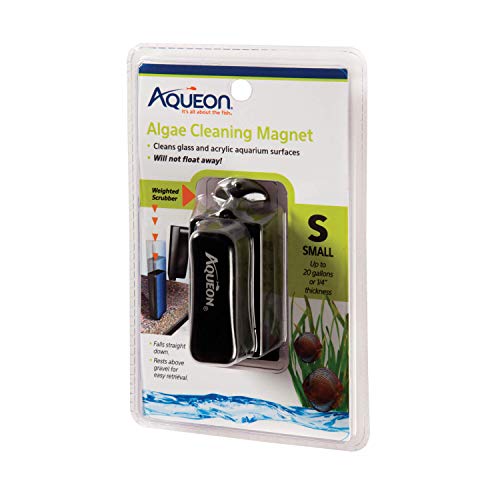
- Magnetic aquarium algae scraper for glass tanks
- Aquarium water changer kit siphon pump with hose


Before You Start
Prepare the work area and equipment before touching the tank. Have towels handy to catch spills and consider turning off any filters temporarily to reduce suction noise and prevent debris from being stirred back in. Plan for a partial water change of about 10–25% to start, depending on tank size and needs. Never remove all water at once, and avoid sudden temperature shifts that stress fish.
Test water parameters beforehand if possible. Ensure the replacement water matches the tank temperature and parameters to minimize stress on fish. Prepare the siphon and cleaning tools in advance to streamline the process.
Step-By-Step: How To Clean A Fish Tank Without Removing The Fish
- Turn off and unplug any equipment that could interfere with suction or scrubbing, including filters and heaters if recommended by manufacturer guidelines.
- Inspect the tank for visible debris and plan the cleaning sequence, prioritizing the substrate and glass surfaces first.
- Attach the gravel vacuum siphon kit to the bucket and position the siphon at a corner of the tank to begin removing water and loosened waste from the substrate.
- Slowly move the siphon through the substrate to lift detritus without disturbing fish. Target areas with visible waste and debris, letting clean water rise as dirty water is drawn out.
- Use the magnetic aquarium algae scraper to gently scrub the interior glass. Work in a steady, circular motion to remove algae without scratching the surface.
- If debris resuspends, pause the siphon briefly, allow the dirt to settle, then resume at a different section to maintain a balanced flow.
- Perform a controlled water change using the aquarium water changer kit siphon pump with hose. Stop the siphon at the desired water level and replace with prepared, conditioned water that matches tank parameters.
- Recheck heater and filter settings after refilling. Reintroduce any turned-off equipment gradually to avoid sudden shifts.
- Test water parameters (ammonia, nitrite, nitrate, pH) within 24 hours. If levels are off, adjust as needed and perform a small, additional water change if required.
- Observe fish for signs of stress after the cleaning. If any show distress, pause further maintenance and ensure water quality remains stable.
- Keep a maintenance schedule to perform routine partial cleanings every 1–2 weeks, adjusting frequency based on tank bioload and plant life.
- Document findings and adjust cleaning depth or scrubbing pressure to minimize disruption in future sessions.
Troubleshooting
| Symptom | Likely Cause | Fix | Prevention |
|---|---|---|---|
| Fish show stress during cleaning | Sudden water temperature change or strong currents | Stabilize temperature and reduce suction strength during maintenance | Match water temperature and maintain steady flow |
| Excessive cloudy water after cleaning | Resuspended substrate or over-aggressive vacuum | Vacuum more gently, pause to let particles settle | Use shorter passes and alternate sections |
| Algae returns quickly | Nutrient imbalance or lighting issues | Adjust photoperiod and reduce nutrient sources | Maintain consistent lighting and clean habit |
| Filter stops circulating | Partial blockage or air trapped | Check intake, clear debris, restart | Clean filter during initial steps to prevent buildup |
Common Mistakes
- Cleaning without checking water temperature first
- Vacuuming too aggressively, disturbing substrate too much
- Overfilling during water changes, causing sudden changes in water chemistry
- Ignoring signs of disease or stress in fish during maintenance
Tips For Best Results
- Schedule maintenance during calm times of the day to minimize fish stress.
- Work in sections to avoid complete depletion of tank water at once.
- Condition new water properly and treat for chlorine/chloramine as needed.
- Keep replacement water within 1–2 degrees Fahrenheit of tank temperature for smooth transitions.
- Regularly replace or clean filtration media according to manufacturer recommendations.
Call A Professional
Consider contacting a professional if any of the following occur: persistent ammonia spikes after maintenance, unusual fish behavior that persists, broken heater or filter components, or significant algae blooms despite routine cleaning. If you notice foggy water that does not clear after a few hours, or if fish show rapid breathing or lethargy, seek expert guidance promptly.
FAQ
Can I clean the tank without removing any fish?
Yes. Partial water changes, substrate cleaning with a gravel vacuum, and glass cleaning can be performed with fish still inside the tank, as long as steps are taken to minimize stress.
How often should I perform a water change?
Typically every 1–2 weeks for a lightly stocked tank; more often for heavily stocked systems or high-nutrient setups, depending on water test results.
What should I do if the fish look stressed during cleaning?
Pause cleaning, check water temperature, oxygen levels, and filtration, and perform small, gradual adjustments before resuming.
Is it safe to use any cleaning products?
Avoid household cleaners. Use only aquarium-safe products and water conditioners recommended for your specific setup.
Do I need to vacuum the substrate every time?
Not every time, but regular substrate cleaning helps remove waste buildup. Frequency depends on tank bioload and substrate type.
Will using a magnetic scraper scratch glass?
Generally not if used gently and properly. Avoid scrubbing with excessive pressure or on damaged glass.
How do I know if I’m removing too much water?
Monitor the water level and perform incremental changes. A good rule is to remove no more than 25% at once unless emergency measures require more.
Buying Guide
Choosing the right tools for cleaning a fish tank without removing the fish involves several factors. Consider these buying points to optimize performance and reduce stress on your aquatic life.
- <bSize and tank compatibility: Ensure the gravel vacuum and water changer are suitable for your tank volume and substrate type. Wide, adjustable suction helps in larger tanks, while smaller kits work well for nano tanks.
- <bNoise and ease of use: Look for low-noise pumps and simple assembly. A user-friendly design reduces disturbances during routine maintenance.
- <bEnergy efficiency: Efficient pumps decrease running costs and heat generation, particularly in larger setups with heated water.
- <bControls and features: Variable suction control, quick-disconnect hoses, and integrated shut-off valves improve control during water changes and cleaning.
- <bPlacement and setup: Choose tools with flexible hoses and stable bases for easy reach across tank corners and under shelves without tipping or spills.
When evaluating options, consider how each tool integrates with your current equipment, such as how the siphon kit complements the water changer kit. A cohesive cleaning system reduces the time required and helps maintain stable water conditions.
Leave a Reply