How to Clean Locs: A Practical Guide for Healthy Dreadlocks
Locs require a thoughtful cleaning routine that respects the hair texture while keeping the scalp clean. This guide outlines a straightforward method to refresh dreadlocks without over-wetting or frizzing sections that are still maturing. With the right products and steps, you can maintain scalp health and strand integrity.
Whether you’re maintaining mature locs or starting a fresh set, consistent cleaning supports odor control, buildup prevention, and overall moisture balance. The approach below focuses on safe cleansing, targeted care, and practical tools you can use at home.
Quick Answer
Use a sulfate‑free clarifying option to strip buildup without drying hair, gently massage the scalp with a dedicated cleansing brush, and follow with a conditioning rinse and thorough drying. Schedule cleaning every 1–2 weeks for starter locs and 2–4 weeks for mature locs, adjusting for activity level and scalp needs.
What You’ll Need
- dreadlocks clarifying shampoo sulfate free 16 oz — a gentle, sulfate-free cleanser
- locs scalp cleansing brush — a soft-bristle option to lift buildup
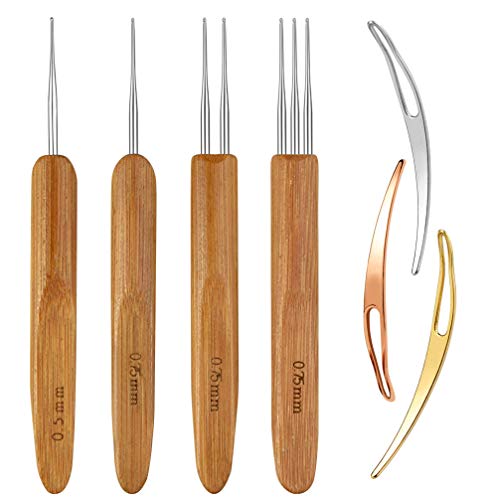
- dreadlock maintenance kit — includes complementary products for care


Before You Start
Prepare a clean workspace and gather the items listed above. Perform a quick scalp check for irritation or flaky patches before cleansing. Protect vulnerable scalp areas and ensure hair is thoroughly detangled before washing to prevent snagging.
Time estimate: 30–60 minutes depending on length and density. If you have sensitive skin or a history of scalp conditions, consult a dermatologist before starting a routine. Ensure water temperature stays warm, not hot, to avoid unnecessary drying.
Step-By-Step: How To Clean Locs
- Rinse locs with warm water to loosen surface dirt and prepare the scalp for cleansing.
- Apply a small amount of dreadlocks clarifying shampoo sulfate free 16 oz to the scalp, focusing on the roots and adjacent scalp areas.
- Gently massage using the locs scalp cleansing brush in circular motions to lift buildup without reshaping locs.
- Allow the shampoo to work for 1–2 minutes, then rinse thoroughly, ensuring no residue remains.
- If buildup persists, repeat once with a light application and gentle massage, avoiding harsh scrubbing.
- Rinse again and follow with a cool-water rinse to help close cuticles and reduce frizz.
- Apply a minimal amount of conditioner or leave-in treatment if the locs appear dry, concentrating on the ends rather than the scalp.
- Rinse completely to prevent product buildup, then squeeze out excess water and blot with a microfiber towel.
- Air-dry locs completely or use a low heat setting on a hooded dryer to prevent mildew and odor.
- Inspect the scalp for dryness or irritation and repeat the routine as needed based on your scalp health.
- Store cleansing tools in a clean, dry area to prevent contamination between washes.
- Document any recurring issues (itching, flaking) to adjust routine or seek professional advice if needed.
Troubleshooting
| Symptom | Likely Cause | Fix | Prevention |
|---|---|---|---|
| Persistent buildup after washing | Residue from heavy products or hard water minerals | Use a sulfate-free clarifying shampoo; rinse thoroughly | Limit heavy products; consider weekly cleanses in hard water areas |
| Scalp itch after washing | Dry scalp or product residue | Reduce wash frequency; ensure complete rinse | Choose gentle, moisturizing products; rinse thoroughly |
| Frizzy or loose ends post-cleaning | Over-washing or rough towel drying | Pat dry; avoid rubbing with towels | Use a microfiber towel; limit washing to recommended intervals |
| Soaking locs causes mildew | Incomplete drying | Increase drying time; ensure airflow | Dry completely before covering or sleeping |
Common Mistakes
- Overusing heavy conditioners or oils that can clog locs
- Rough brushing or aggressive scrubbing that damages the scalp or locs
- Skipping thorough rinses, leaving residue that attracts dirt
- Washing too infrequently, leading to buildup and odor
Tips For Best Results
Healthy locs start with a balanced routine. Use the sulfate-free clarifying shampoo to remove buildup without stripping natural moisture. Pair cleansing with a dedicated scalp brush to target tough areas while protecting the hair length. After washing, ensure complete drying to prevent mildew and odor development.
- Test a small section first to gauge scalp reaction to new products
- Align washing frequency with activity level; more sweating may require more frequent cleansing
- Keep your dreadlock maintenance kit organized for easier routine execution
Call A Professional
Seek professional help if you notice chronic itching, persistent redness, unusual discharge, or signs of infection. Do not ignore severe scalp pain or hair loss. A licensed trichologist or dermatologist can assess conditions such as dermatitis, fungal infections, or traction alopecia and prescribe appropriate care.
FAQ
How often should I wash my locs?
Most people clean locs every 1–2 weeks when starting, then every 2–4 weeks once established, adjusting for personal scalp health and activity level.
Can I use regular shampoo on locs?
Prefer sulfate-free or clarifying options designed for dreadlocks to avoid buildup and excessive drying.
Is a scalp cleansing brush necessary?
Using a soft-bristle brush helps remove buildup and exfoliate the scalp without damaging locs when used gently.
Should I condition locs after washing?
Light conditioning at the ends can help with dryness, but avoid heavy products at the scalp to prevent buildup.
Can I wash locs with hard water?
Hard water can leave mineral residues; consider a chelating wash periodically or a filtered showerhead to minimize buildup.
Buying Guide
When selecting products for cleaning locs, consider size, performance, and compatibility with dreadlocks. Look for a sulfate-free clarifying shampoo that cleanses without stripping moisture. A dedicated scalp cleansing brush can improve cleansing efficiency, while a dreadlock maintenance kit provides cohesive care tools for routine upkeep.
Key buying factors include size and concentration of the clarifying shampoo, such as a 16 oz bottle for regular use and travel-friendly options. Noise level is typically not a concern for brushing tools, but ergonomics matter: choose a handle that feels comfortable to grip. Energy efficiency is not a primary factor here; however, choose manual or low-power options for brushes if you prefer.
For placement and storage, keep products in a cool, dry area away from direct sunlight to preserve ingredients. If you share products, label them to avoid confusion and contamination. Consider a complete dreadlock maintenance kit for a balanced approach to cleansing, conditioning, and scalp care. Want a simple routine? Start with the listed items and adapt based on scalp response and locs maturity.
Leave a Reply