How to Remove Blood Stains From White Sheets
Blood stains on white sheets can be stubborn, but with the right approach and products, most stains lift completely without bleaching the fabric. This guide provides practical, step-by-step instructions using common laundry products suitable for American households.
Quick Answer
Act quickly, rinse with cold water, treat with a stain remover suited for blood, and wash with a detergent booster featuring color-safe bleach. For tough stains, apply enzyme-based pre-wash spray and re-wash. Always air-dry and avoid heat until you’re sure the stain is gone.
What You’ll Need
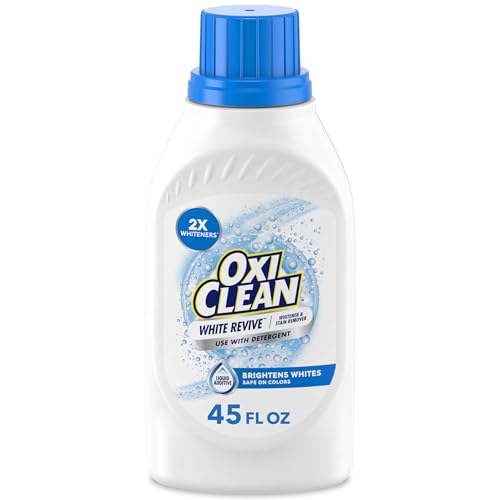
- Oxygen bleach stain remover for white sheets blood stains
- Enzyme-based pre-wash stain remover spray for blood on white sheets
- Detergent booster with color-safe bleach for blood stains on white sheets
- Cold water and a clean bucket or sink for pre-soak
- Fresh towels or cloths for blotting


Before You Start
Read care labels on both the sheet set and any fabric with stain. Work with cold water to prevent setting proteins in the blood. Do not use hot water or dry heat until the stain is confirmed removed. Test any stain remover on a small inconspicuous area first to avoid discoloration. Expect a stain removal cycle to take 30–60 minutes for pretreatment, plus a standard wash.
Step-By-Step: How To Remove Blood Stains From White Sheets
- Rinse the stained area under cold running water to flush out as much blood as possible.
- Blot gently with a clean cloth to lift excess moisture; avoid rubbing, which can spread the stain.
- Apply the enzyme-based pre-wash spray directly to the stain and let it sit for 5–10 minutes to break down proteins.
- Rinse again with cold water to remove enzymatic residue.
- Apply a small amount of oxygen bleach stain remover for white sheets blood stains. Follow package directions for soaking times, typically 15–30 minutes.
- Wash the sheet in the washing machine using cold water and a detergent booster with color-safe bleach for blood stains on white sheets.
- After washing, check the stain before drying. If any pigment remains, repeat the pretreatment and washing cycle. Do not dry the sheets until the stain is gone.
- Air-dry the sheets or tumble-dry on a low heat setting if the stain is completely removed.
- For persistent stains, reapply the enzyme-based spray and repeat the wash with cold water.
- If the stain persists after several attempts, consider soaking the entire sheet in a solution of cold water and oxygen bleach overnight, then wash again.
- Inspect the laundry area for residual color transfer and launder the rest of the load as needed.
Troubleshooting
| Symptom | Likely Cause | Fix | Prevention |
|---|---|---|---|
| Stain remains after first wash | Stain is set or protein-rich blood requires enzymatic action | Reapply enzyme-based pre-wash spray and rewash with detergent booster | Pre-treat promptly; avoid heat until removal |
| Yellowing after washing | Overuse of certain bleaches on protein stains | Switch to recommended oxygen bleach product and follow directions | Limit bleach use to products designed for white fabrics |
| Stain returns after drying | Heat set the stain | Rewash with cold water and enzyme pre-treatment, avoid heat | Air-dry until stain is fully removed |
| Color bleeding on white sheets | Strong oxidizers impacting fabric color | Use only color-safe options labeled for white fabrics | Do a spot test first |
Common Mistakes
- Using hot water on a blood stain, which can set the stain permanently
- Rubbing the fabric aggressively, spreading the stain
- Skipping pre-treatment and jumping straight to a wash
- Using incompatible cleaners together (e.g., mixing bleach with ammonia)
Sticking to cold-water procedures and enzyme-based or oxygen-based cleaners keeps white sheets bright and reduces the risk of damage.
Tips For Best Results
- Work on fresh stains as soon as possible for best results.
- Do not mix different stain removers; choose one type at a time according to directions.
- For delicate white fabrics, perform a small test before full application.
- Store stain removers in a cool, dry place out of reach of children and pets.
Call A Professional
Consider turning to a professional cleaner if the sheets are delicate or the stain is set after multiple attempts. Stop attempting home remedies if there is color loss, fabric damage, or persistent staining despite repeated treatments.
FAQ
Can I use hot water to remove blood stains from white sheets?
No. Hot water can set proteins in blood, making stains harder to remove.
Is enzyme-based spray better than oxygen bleach for blood stains?
Enzyme-based sprays work well on protein-based stains like blood; oxygen bleach is effective for whitening and lifting stains without harsh bleaching.
Should I wash white sheets separately when treating a blood stain?
Yes. Washing separately prevents potential transfer of stain to other fabrics and allows dedicated treatment.
How long should I pre-treat a blood stain before washing?
Typically 5–10 minutes for enzymatic sprays, plus the recommended soak time for oxygen bleach products.
Buying Guide
When selecting products to treat blood stains on white sheets, consider size, stain power, and fabric compatibility. key factors include:
- Stain removal power—choose products proven effective on protein-based stains, such as enzyme-based pre-washes and oxygen bleach cleaners.
- Fabric safety—opt for color-safe or white-fabric-safe formulas to avoid yellowing or fabric damage.
- Ease of use—spray bottles and simple soak instructions help with quick pretreatment decisions.
- Pre-treatment vs. wash-stage—a combination of enzyme pre-treatment and booster wash offers flexibility for tough stains.
- Time efficiency—look for products with short recommended soak times to speed up laundry day.
- Safety and storage—read labels for child safety and storage guidance to keep cleaners accessible yet secure.
For most households, a combination of enzyme-based pre-wash spray, oxygen bleach stain remover, and a detergent booster with color-safe bleach provides reliable results on white sheets. If in doubt, start with the least aggressive product and escalate as needed.
Leave a Reply