How to Clean Brick Patio Easily and Effectively
Brick patios add timeless character to American homes, but keeping them clean requires the right approach. This guide outlines practical steps to restore color and prevent damage, including how to choose compatible tools and cleaners for durable results.
From light maintenance to detailing stubborn stains, the methods below are designed for typical residential brick surfaces. Always test a small area first and follow safety guidelines to protect surrounding plants and surfaces.
Quick Answer
Use a pressure washer in the 2000–3000 PSI range with a stiff nylon-bristle brush for tough areas, and apply a biodegradable masonry cleaner to remove efflorescence. Work in sections, rinse thoroughly, and allow the brick to dry completely before sealing or reoccupying the space.
What You’ll Need
- gas pressure washer 2000-3000 PSI for brick patio cleaning
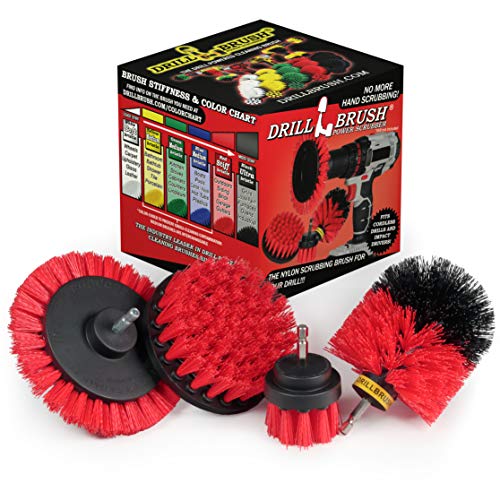
- stiff nylon-bristle brush for brick patio cleaning with long handle
- masonry cleaner for brick patio efflorescence remover biodegradable


Before You Start
Prepare the area by removing furniture, potted plants, and debris. Protect nearby vegetation with plastic sheeting or disposable drop cloths. Check surface for loose or deteriorating mortar and avoid aggressive cleaning on damaged sections. Plan to work in shade if possible to prevent rapid drying and streaking.
Safety cautions: wear eye protection, gloves, and closed-toe shoes. Protect your back with proper posture when pushing the machine. If you have a brick with loose mortar or revealing structural issues, consult a professional before power washing or chemical treatment.
Time estimate: 2–6 hours depending on patio size and stain severity. Allow 24–48 hours for complete drying after cleaning before any sealing or heavy foot traffic.
Step-By-Step: How To Clean Brick Patio
- Inspect the patio surface for damaged bricks or loose mortar and address any structural issues before cleaning.
- Dry-clean the area by removing loose dirt with a stiff broom to reduce surface grime.
- Prepare the biodegradable masonry cleaner according to label directions, ensuring it is suitable for brick and will not harm surrounding plants.
- Rinse the area with water to create a uniform damp base; this helps prevent rapid chemical absorption and reduces risk of streaks.
- Apply the cleaner to a manageable section, keeping the spray pattern low and evenly distributed to avoid oversaturation.
- Scrub with the stiff nylon-bristle brush in a consistent, overlapping motion to lift efflorescence and embedded stains.
- Use the gas pressure washer (2000–3000 PSI) on a wide spray setting, maintaining a safe distance to avoid mortar damage while rinsing the cleaner and loosened grime.
- Rinse thoroughly from top to bottom, ensuring no cleaner residue remains; repeat treatment on stubborn spots as needed and let the surface dry completely before stepping on it or sealing.
Troubleshooting
| Symptom | Likely Cause | Fix | Prevention |
|---|---|---|---|
| Streaks or uneven color | Uneven cleaning or fast drying | Re-wet area and re-clean with a wider stroke | Work in shade and keep surface consistently damp |
| Remnant efflorescence after cleaning | Residual mineral deposits | Apply cleaner again or use a dedicated efflorescence remover | Rinse thoroughly and dry before sealing |
| Mortar damage after washing | Excessive PSI or close proximity | Lower pressure and increase distance, avoid mortar edges | Test on a hidden spot first |
| Plants affected nearby | Chemical run-off | Shield plants or rinse immediately after application | Cover plants during cleaning |
Common Mistakes
- Using too high pressure close to the brick, which can erode mortar and chip bricks.
- Applying cleaners without proper dilution, leading to surface damage or residue.
- Skipping a test patch, which can hide problems until the whole patio is affected.
- Neglecting thorough rinsing, leaving cleaner residues that attract more dirt.
Tips For Best Results
- Work in small sections to maintain consistent cleaning quality.
- Use a wide spray pattern to minimize impact on mortar joints.
- Pre-wet nearby plants and soil to reduce chemical uptake and drying stress.
- Allow full drying time before any sealing or replanting nearby areas.
- Consider a color-enhancing or penetrating sealer after the surface is completely dry for added protection.
Call A Professional
Consult a professional if the brick shows extensive spalling, cracks, or severe efflorescence that does not respond to treatment. Seek help if the patio covers a large area or includes historically significant brickwork where improper cleaning could cause harm. Stop cleaning and contact a pro if you notice accelerated mortar deterioration, visible moisture damage, or persistent efflorescence returning after cleaning.
FAQ
Is a pressure washer necessary for cleaning a brick patio?
Not always; a garden hose and stiff brush can work for light grime. A pressure washer speeds up cleaning and helps remove embedded dirt when used carefully.
What cleaning solution is best for brick efflorescence?
A biodegradable masonry cleaner designed for brick surfaces is typically effective and safer for the environment.
Can I seal my brick patio after cleaning?
Yes, sealing after complete drying can help protect against future staining and moisture intrusion. Follow product guidelines for cure time.
How soon can I use the patio after cleaning?
Wait until the surface is fully dry, usually 24–48 hours, before placing furniture or walking heavily on it.
Will cleaning damage my mortar?
Improper pressure or close contact with the nozzle can erode mortar; keep a safe distance and use wide spray patterns.
Buying Guide
Key buying factors help determine the right setup for brick patio cleaning. Consider the following to balance performance, safety, and cost.
- <bProject scope: For small to mid-size patios, a portable 2000–3000 PSI gas pressure washer offers strong cleaning power without excessive footprint. For larger areas, a higher-output unit may be considered, but ensure proper ventilation and safe handling.
- Nozzle and spray: Use wide spray patterns to minimize mortar wear. A turbo or rotating nozzle can improve stubborn stain removal but should be used cautiously on delicate bricks.
- <bBrush options: A stiff nylon-bristle brush with a long handle makes scrubbing easy and reduces bending. The brush should be compatible with the treated surface and weather conditions.
- <bCleaner choice: Select a biodegradable masonry cleaner labeled for efflorescence removal and brick surfaces. Avoid acidic cleaners on lime-rich mortars unless specifically approved.
- <bMaintenance and accessories: Look for compatible replacement brushes, hoses, and safety gear. A surface-drying timer or plan helps coordinate sealing and use after cleaning.
- <bPlacement and setup: Ensure stable ground for the washer and clear access to water supply. Protect nearby plants and power connections from spray and splashes.
- <bNoise and energy considerations: Gas-powered washers can be louder and require ventilation; consider location and timing to minimize disturbance.
- <bLong-term upkeep: Regular cleaning followed by a breathable sealant preserves color and reduces staining, extending life between deep cleanings.
Leave a Reply