How to Get Rid of Damp Smell in a Car
Dark, musty odors inside a vehicle can be distracting and unhealthy, especially in humid climates or after water exposure. A systematic approach combines moisture control, deodorizing agents, and air purification to restore freshness. This guide outlines practical steps using common car moisture absorbers and ozone or deodorizing options to eliminate damp smells effectively.
Following a safe, methodical routine helps ensure odor sources are addressed without damaging interior materials. Readers will learn how to diagnose the smell, reduce humidity, and maintain a clean environment inside the car cabin.
Quick Answer
Quickly reduce damp smells with targeted moisture control, then refresh the cabin with deodorizing agents or an ozone air purifier. Start by removing sources of moisture, use silica gel moisture absorbers or desiccant bags to lower humidity, run an ozone air purifier for odor removal if appropriate, and finish with routine ventilation and interior cleaning.
What You’ll Need
- 12V car dehumidifier silica gel moisture absorber — a compact, rechargeable option to pull moisture from small spaces
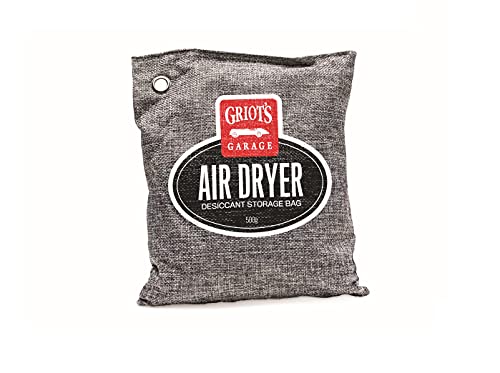
- car desiccant moisture absorber bags silica gel deodorizer — disposable bags that trap humidity and neutralize odors
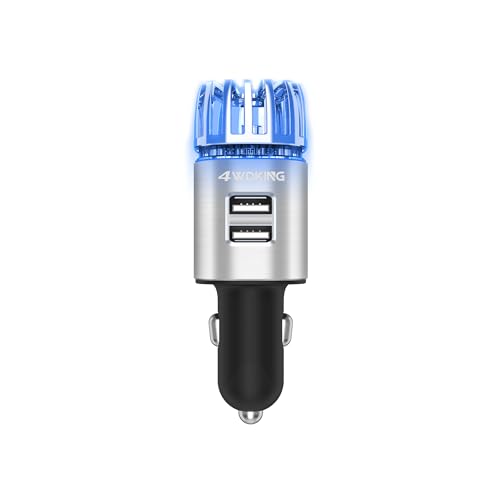
- car ozone air purifier 12V odor removal — for deeper odor elimination in the cabin

Before You Start
Prepare a clean, dry workspace in the car. Remove any obvious moisture sources such as wet floor mats or spilled liquids. Schedule time for a thorough dry-out; plan for at least 1–2 hours of active treatment plus drying time. Do not use ozone devices in occupied vehicles. If anyone is sensitive to ozone or has respiratory issues, avoid ozone purifiers or limit exposure. Always ventilate the vehicle after treatment and wipe down surfaces to remove residual residues.
Step-By-Step: How To Get Rid Of Damp Smell In A Car
- Open doors and windows to air out the cabin while you prepare tools and materials.
- Remove all floor mats and vacuum the interior to eliminate loose debris that can hold moisture or odors.
- Inspect for visible moisture: check carpets, under seats, and trunk areas for damp spots; press gently to feel dampness and wring out any wet material.
- Place 12V car dehumidifier silica gel moisture absorber in discreet locations—under seats, in the footwell, and near door seals—to start pulling moisture from the air.
- Distribute car desiccant moisture absorber bags silica gel deodorizer strategically around the interior to maximize humidity control and odor neutralization.
- If odors persist after moisture control, run a car ozone air purifier 12V odor removal per the manufacturer’s instructions in an unoccupied vehicle to target deep-seated smells.
- Let the system run for the recommended time, then turn off devices and ventilate the car again before re-entering.
- Clean and dry all surfaces with a gentle interior cleaner; wipe seats, dash, and panels, and replace mats to prevent re-moisture buildup.
Troubleshooting
| Symptom | Likely Cause | Fix | Prevention |
|---|---|---|---|
| Smell returns after treatment | Hidden moisture source or unseen leak | Reinspect for damp areas; check sunroof seals, door seals, and carpeting | Repair leaks; dry out areas thoroughly |
| Persistent musty odor after cleaning | Mold growth under carpets or upholstery | Professional mold remediation if necessary | Regular drying after spills; use moisture absorbers routinely |
| Ozone purifier hits odor but material off-gassing remains | Odor from upholstery or plastic materials | Ventilate well; consider repeated but limited treatment | Limit exposure to occupants; avoid prolonged ozone use |
| No improvement with dehumidifiers | Insufficient moisture removal or blocked vents | Check device placement; ensure vents are open and unobstructed | Improve cabin airflow; replace or recharge absorbers as needed |
| Excess moisture on windows after treatment | Condensation from cold surfaces | Warm the car slightly and ventilate; use anti-fog solutions | Keep interior dry and use moisture absorbers seasonally |
Common Mistakes To Avoid
- Relying on one method alone; combine moisture control with deodorizing steps for best results
- Using ozone devices while the car is occupied
- Neglecting hidden moisture sources like carpet padding or seat cushions
- Ignoring regular maintenance, such as failed seals or leaks that reintroduce moisture
Tips For Best Results
- Place moisture absorbers in areas where humidity tends to accumulate, such as under seats and near door thresholds
- Ventilate the vehicle frequently, especially after rain or car washes
- Pair absorbers with a routine interior cleaning: vacuum first, then wipe down surfaces
- Rotate different odor-control products to avoid method fatigue and ensure balanced deodorization
- Address root causes: fix leaks, drain condensation from the A/C system, and maintain cabin air filters
Call A Professional
Consider a professional inspection if: a strong persistent odor remains after thorough dehydration, you detect water leaks that you cannot locate, or there is visible mold growth behind carpets or under upholstery. Signs of persistent moisture, recurring fogged windows, or a damp smell after repeated treatments warrant expert assessment and remediation.
FAQ
Can a 12V car dehumidifier work in cold climates?
Yes, but performance may decrease as temperatures drop. Use moisture absorbers in addition to proper airflow for best results.
How long should I run an ozone air purifier in a car?
Follow manufacturer guidance and ensure the car is unoccupied during treatment. Do not exceed recommended run times.
Are silica gel products safe for car interiors?
Yes when used as directed; avoid ingestion and keep away from children and pets.
Will replacing cabin air filters help with odors?
Yes, a clogged filter can harbor moisture and odors; replace it to improve airflow and filtration.
How often should I use moisture absorbers in a humid area?
In high humidity, check and refresh or replace absorbers weekly or as needed.
What if the odor returns after a long drive?
Inspect for hidden leaks or damp spots that may reintroduce moisture during travel; address leaks and dry thoroughly.
Buying Guide
When shopping for odor-control solutions, consider size, noise level, energy efficiency, controls, and placement. For moisture control, look for compact, reusable silica gel dehumidifiers that fit under seats or in the trunk. If you prefer disposable options, choose car desiccant moisture absorber bags that are easy to deploy in tight spots. For deeper odor attack, an ozone air purifier with a 12V capability can be effective, but only use it when the car is unoccupied and follow safety instructions. Placement matters: keep devices away from carpets where water could pool and ensure adequate ventilation to avoid condensation. Compare products based on run time, refill/replace frequency, and any warranty or safety certifications. A balanced approach combining moisture control, targeted cleaning, and fresh air circulation yields the best long-term results. Would you like recommendations tailored to your typical climate and car size?
Leave a Reply