How to Clean Jewelry With Stones Safely and Effectively
Cleaning jewelry with stones requires care to protect the settings and the delicate surfaces of gemstones. The right tools and gentle techniques can restore shine without risking damage. This guide covers practical steps, safe methods, and common pitfalls to avoid for American households.
Readers will learn how to use a dedicated ultrasonic cleaner, gentle brushing, and soft polishing cloths to maintain beauty and longevity of gemstone jewelry.
Quick Answer
Use a low-risk approach first: rinse with lukewarm water, apply a mild soap, and brush with a soft-bristle brush. For delicate stones or mounts, skip harsher cleaners and consider an ultrasonic jewelry cleaner 40kHz gemstone safe only if the settings are secure and the stone is bezel or well-set.
What You’ll Need
- Ultrasonic jewelry cleaner 40kHz gemstone safe
- Soft bristle jewelry cleaning brush for gemstone settings
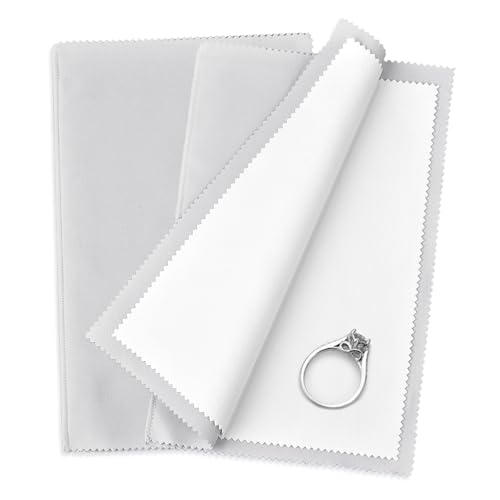
- Non-abrasive jewelry polishing cloth for gemstone jewelry


Before You Start
Inspect each piece for loose stones, worn prongs, or damaged clasps. If a setting is loose, cleaning may worsen it; consult a professional before proceeding. Always check stone compatibility with cleaning methods; porous or fragile stones (like opals, emeralds with fractures, or certain pearls) require extra caution. Work in a well-lit area, ready to rinse and dry thoroughly.
Safety notes: use lukewarm water only, avoid boiling water, and never expose treated gemstones to harsh chemicals. Prolonged ultrasonic exposure can loosen settings in some pieces, especially with hammered or intricate mounts. Time estimate: 15–30 minutes for a small collection.
Step-By-Step: How To Clean Jewelry With Stones
- Remove larger debris by gently wiping with a microfiber cloth before any cleaning steps.
- Prepare a cleaning solution: warm water with a few drops of mild dish soap. Avoid harsh chemicals such as bleach or ammonia, which can damage certain stones and metals.
- If using an ultrasonic cleaner 40kHz gemstone safe, place only pieces with secure settings and non-porous stones inside. Run a short cycle (30–60 seconds) and monitor closely; remove quickly if you notice any looseness.
- For stones and settings that may be sensitive, skip the ultrasonic step and use a soft bristle jewelry cleaning brush for gemstone settings. Gently agitate the pieces in the soapy solution, focusing on the prongs and backs of the stones.
- Rinse each piece under lukewarm running water to remove soap residue. Use a bowl to catch water if a faucet stream is too strong for the piece.
- Pat dry with a clean, soft towels; then use a non-abrasive polishing cloth for gemstone jewelry to restore shine. Buff in a gentle circular motion, avoiding hard rubbing on settings.
- Inspect the piece again for any remaining residues and check the setting. Repeat cleaning on stubborn deposits with the soft brush, if needed, but never force cleaning into tight gaps.
- Store jewelry separately, away from other pieces to prevent scraping. Use a lined jewelry box or soft cloth pouches to cushion stones.
- Schedule routine cleanings based on wear. High-activity pieces may need more frequent cleaning, but always consider stone sensitivity and metal finish.
Troubleshooting
| Symptom | Likely Cause | Fix | Prevention |
|---|---|---|---|
| Stone looks dull after cleaning | Soap residue or mineral deposits | Re-rinse thoroughly, re-wash with minimal soap, and dry completely | Use minimal soap and avoid over-soaking |
| Loose stones after cleaning | Prongs worn or stones not secure | Stop cleaning and consult a jeweler for re-setting | Regularly inspect settings, avoid aggressive brushing near prongs |
| Scratches on metal or settings | Abrasive cloth or harsh cleaners | Switch to a non-abrasive polishing cloth and mild solutions | Avoid metal polishes not intended for jewelry |
| Opals or porous stones appear milky | Pore-based stone damage or moisture absorption | Do not use ultrasonic methods; clean with damp cloth only | Know stone type; research care guidelines |
Common Mistakes
- Using hot water or strong cleaners on delicate stones
- Soaking porous stones for long periods
- Overlooking loose settings after cleaning
- Rubbing stones aggressively with abrasive cloths
Careful attention to stone type and mounting reduces risk and keeps jewelry looking its best.
Tips For Best Results
- Test a small, inconspicuous area first when trying new cleaning methods.
- Use a dedicated soft-bristle brush to reach tight settings without applying excessive pressure.
- Combine gentle cleaning with regular maintenance—inspect prongs every few months.
- Keep cleaning products away from pearls and opals unless advised by a professional.
- Air-dry pieces to prevent water spots and mineral buildup on metal surfaces.
Call A Professional
Seek professional help if a stone is loose, if there are cracks in the gemstone, or if prongs show wear. Do not attempt to re-tighten settings yourself. If you notice discoloration of metal, pitting, or repeated knotting of chains after cleaning, a jeweler’s evaluation is warranted.
FAQ
Can I use an ultrasonic cleaner on all stones?
Not all stones tolerate ultrasonic cleaning. Porous or fracture-prone stones may risk damage; consult care guides or a professional for specific stones.
Is it safe to clean all jewelry with soap and water?
For many pieces, yes, but avoid harsh soaps and hard brushing on delicate settings and porous stones.
How often should I clean gemstone jewelry?
Clean regularly based on wear, but deep cleaning once every few months is common for frequently worn pieces.
What should I do if a stone falls out during cleaning?
Keep the piece safe and take it to a jeweler immediately; do not attempt a home repair that could cause further damage.
Buying Guide
Choosing the right cleaning approach for jewelry with stones depends on several factors. Consider the stone type, setting design, and metal finish when selecting tools and methods.
Size and weight
Smaller pieces or delicate mounts require gentler handling and more careful brushing; larger pieces can tolerate longer cleaning sessions but still need caution around stones.
Noise level
Ultrasonic cleaners can generate noticeable sound. If quiet operation is important, use manual brushing with a soft brush and avoid ultrasonic cycles.
Energy efficiency
Manual cleaning uses no electricity, while ultrasonic cleaners consume power. For infrequent cleaning, hand methods may be more efficient overall.
Controls and presets
Simple adjustable timers help tailor cleaning intensity; avoid overly aggressive presets that may loosen stones.
Placement and storage
Store cleaned pieces in a soft-lined box to prevent scratches. Keep cleaning tools organized and away from children and pets.
Comparison perspectives
Balance convenience, stone safety, and cost. Ultrasonic cleaners are efficient for secure settings; soft-bristle brushes offer control for fragile stones; non-abrasive polishing cloths restore shine without risking damage. Matching tools to stone type (e.g., avoid ultrasonic for opals or pearls) yields the best results.
Leave a Reply