How to Get Rid of Tear Stains in Pets
Tear stains are a common concern for dog and cat owners. Stains can appear as dark or reddish lines beneath the eyes, caused by tear production, tear duct issues, or staining from minerals in water. This guide provides practical steps, products, and tips to reduce and manage tear stains safely for American households and pets.
Quick Answer
Regular eye hygiene with pet-safe tear stain removers, consistent grooming, and addressing underlying causes can noticeably reduce tear staining. Start with gentle wipes or drops, maintain a daily routine, and seek veterinary advice if staining persists or if signs of irritation appear.
What You’ll Need
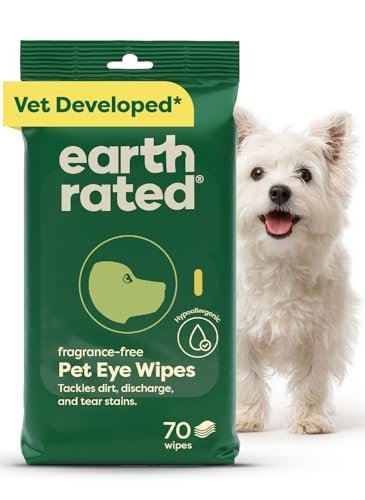
- Dog tear stain remover wipes
- Cat tear stain remover drops
- Pet grooming kit tear stain remover eye wipes


Before You Start
Assess your pet’s eye area for irritation, redness, swelling, or discharge. If you notice ongoing redness, swelling, or a change in eye color, stop and consult a veterinarian. Use only products labeled safe for dogs and cats, and never apply products directly inside the eye. Prepare a clean, well-lit space and have tissues handy for blotting and cleaning. Time estimates vary, but a routine cleaning can be done in 5–15 minutes per session, with daily or every-other-day frequency recommended for best results. Avoid using human products around pets.
Step-By-Step: How To Get Rid Of Tear Stains
- Gently wipe the periorbital fur with dog tear stain remover wipes or pet grooming kit eye wipes to remove surface debris. Do not rub aggressively; use a gentle dabbing motion.
- Apply cat tear stain remover drops or the appropriate eye-safe liquid as directed on the product label. Use a clean applicator or a fresh wipe for each eye to avoid cross-contamination.
- Focus on the staining area just below the eye and along the inner fur line. Allow the product to sit for the recommended time, then blot away any excess moisture with a clean tissue.
- Repeat the routine 2–3 times per week as staining reduces. For persistent staining, increase frequency gradually only if the pet tolerates it well and without irritation.
- Keep the eye area dry after cleaning. Moisture can encourage new staining, so pat the fur dry and avoid leaving damp fur near the eye.
- Clean the surrounding fur daily to prevent new buildup. Shorter coats may show staining more clearly; longer fur often hides it but still needs regular care.
- Consider using filtered or well-balanced water to reduce minerals that can contribute to staining, and check for allergies or irritants in the environment.
- If tear production seems excessive, discuss with a veterinarian about possible underlying causes such as blocked tear ducts, conjunctivitis, or dental issues that can influence tear flow.
- For longer-term results, pair topical cleaning with a consistent grooming routine and dental care. Some pets benefit from a gentle dietary adjustment if approved by a vet.
- Monitor for changes in behavior, appetite, or eye comfort. If staining worsens or irritation occurs, discontinue use and seek veterinary advice promptly.
- Record progress with photos to compare staining over weeks, which helps determine whether the routine is effective or needs adjustment.
- Complement care with a weekly grooming session to prevent fur from growing into the eye area and to maintain overall facial cleanliness.
Troubleshooting
| Symptom | Likely Cause | Fix | Prevention |
|---|---|---|---|
| Red, irritated skin around the eyes | Irritation from products or over-wiping | Use milder products and reduce frequency; ensure products are pet-safe | Hydrate skin with vet-approved balms and avoid harsh wipes |
| Persistent staining despite cleaning | Blocked tear ducts or excess tear production | Consult a vet to assess underlying causes | Regular gentle cleaning to prevent buildup |
| Product not reducing stain | Product may not suit pet’s coat/color | Try a different formulation or liquid vs wipe product | Follow vet recommendations for alternatives |
| Allergic reaction (scratching, swelling) | Allergy to active ingredients | Discontinue use and seek veterinary guidance | Patch test new products on a small area first |
Common Mistakes
- Using human eye products near pets, which can cause irritation
- Over-wiping or rubbing, leading to skin irritation
- Aggressive cleaning that pulls fur or skin near the eye
- Infrequent cleaning, allowing stains to set in longer
- Assuming all tear stains have the same cause without veterinary input
Tips For Best Results
- Establish a consistent routine: a few minutes, several times per week, can yield gradual improvement.
- Choose products specifically labeled for tear stain removal and avoid added fragrances that may irritate sensitive eyes.
- Implement a grooming schedule that includes brushing away loose fur around the eyes to minimize staining.
- Coordinate with a veterinarian to rule out medical issues like allergies, infections, or dental problems that influence tear production.
- Maintain clean housing and water sources. Mineral-rich water can contribute to staining in some pets.
Call A Professional
Seek veterinary advice if the pet shows any of the following: persistent redness or swelling, discharge, squinting, tearing that worsens despite routine care, or signs of discomfort. If a rescue animal or a senior pet exhibits sudden changes in eye appearance, contact a veterinarian promptly.
FAQ
What are the best tear stain remover products for dogs?
Choose products labeled for tear staining and use as directed; products in the dog tear stain remover wipes category are commonly used with regular grooming.
Are cat tear stain remover drops safe for kittens?
Only use drops labeled for kittens and consult a veterinarian before use on very young cats.
Will tear stains come back after cleaning?
Yes—ongoing tear production or underlying conditions can cause re-staining, so maintenance is key.
Can diet affect tear staining?
Diet can influence tear quality in some pets; discuss dietary changes with a vet if staining is a persistent issue.
Buying Guide
When selecting products to address tear stains, consider size, compatibility with your pet’s species (dog or cat), and the delivery method. Evaluate noise level and ease of use for products that require application near the eyes. Look for gentle, pet-safe formulas and clear instructions. Energy efficiency is less relevant here, but ease of storage and shelf life matter. Placement of products should be convenient within your grooming area, ensuring you can access wipes or drops quickly during routine care. Compare multiple options by reading labels for active ingredients, usage frequency, and any veterinary recommendations to ensure effective, safe tear stain management.
Leave a Reply