How to Clean Slate Patio: A Practical Step-by-Step Guide
Slate patios bring natural beauty and resilience to outdoor spaces, but cleaning them requires the right approach to avoid staining or etching. This guide walks through a safe, effective method for cleaning slate patio surfaces in American backyards, using common tools and household cleaners designed for stone.
Whether you’re preparing for a party, seasonal maintenance, or simply refreshing a weathered slate area, following this process helps restore color and texture while preserving the slate’s durability for years to come.
Quick Answer
Best first steps: Sweep away loose debris, pretreat with a stone-safe cleaner, scrub with a stiff brush, and rinse thoroughly with a pressure washer set to a gentle spray. For tough stains, repeat the process and consider a dedicated stone cleaner concentrate for slate patio. Always test a small area first.
What You’ll Need
- Pressure washer for slate patio cleaning
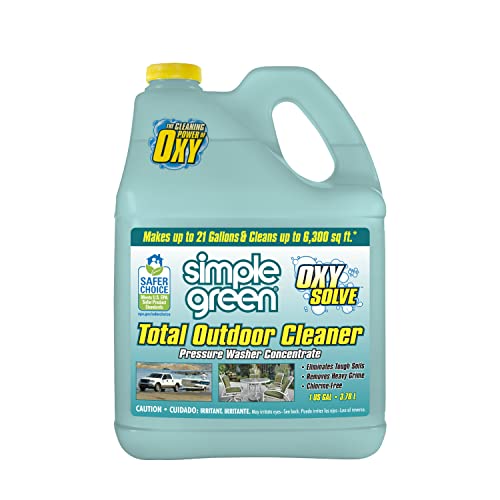
- Stone cleaner concentrate for slate patio
- Stiff brush set for slate patio cleaning
- Water source and garden hose
- Protective gloves and eye protection
- Broom or leaf blower for initial cleanup
- Dump bucket and mop for any overflow


Before You Start
Prepare the area by removing furniture, potted plants, and debris. Mastic or old sealants may require special attention; test any cleaner on a small, inconspicuous patch first. Protect nearby plants and lawn with a spray shield or plastic sheeting to prevent chemical runoff. Time estimate: 60–120 minutes depending on the patio size and stain severity.
Safety notes: always wear eye protection and gloves. Use the lowest pressure setting on the pressure washer that still removes dirt to avoid etching the slate surface. Avoid acidic cleaners on lime-containing slates, as they can dull or damage the stone.
Step-By-Step: How To Clean Slate Patio
- Remove loose debris with a broom or leaf blower to prevent scratching during washing.
- Rinse the surface with a garden hose to wet the slate and reduce cleaning solution saturation time.
- Apply a stone cleaner concentrate for slate patio according to the product’s instructions or use a diluted, stone-safe cleaner suitable for slate. Let it sit for the recommended dwell time to loosen grime.
- Scrub with a stiff brush set for slate patio cleaning, using long, even strokes in a consistent pattern. Focus on grout lines and stubborn stains.
- Rinse thoroughly with a pressure washer for slate patio cleaning, starting at one end and moving methodically to the other. Use a wide fan spray and avoid concentrating water on a single area for too long.
- Inspect for remaining stains. If needed, repeat the cleaning solution application and scrubbing on problem areas, then rinse again.
- Allow the slate to dry completely before replacing furniture or walking on the surface. If you notice residual efflorescence or mineral deposits, repeat the rinse with a clean water pass and consider a follow-up rinse with a milder cleaner.
- Optional: For persistent staining, use a specialized stone cleaner or test a small area with a vinegar-free, pH-balanced cleaner designed for slate before broader use.
- Post-cleaning maintenance: seal the slate if a sealant is recommended for your type of slate and climate. Reapply according to manufacturer guidelines, typically every 2–5 years.
Troubleshooting
| Symptom | Likely Cause | Fix | Prevention |
|---|---|---|---|
| Dull or streaky finish after cleaning | Residual cleaner or mineral deposits | Rinse thoroughly; rewash with clean water | Rinse until clear water runs off |
| Stains that won’t lift | Deep-set grime or organic staining | Apply stone cleaner concentrate again and scrub longer | Clean promptly after stains occur |
| Discoloration after washing | Acidic cleaner contact or improper dilution | Test a small area with a milder solution and rinse | Use neutral, stone-safe products |
| Scratches or etched look | Excessive pressure or harsh brushes | Switch to gentler tools and lower pressure; repair may be needed | Use soft brushes for delicate stones |
| Efflorescence appearing after cleaning | Mineral salts brought to surface during wet cleaning | Allow thorough drying; a light rinse helps | Clean during dry conditions to minimize moisture |
Common Mistakes
- Using harsh chemical cleaners on slate or acidic solutions that can etch the surface
- High-pressure washing at close range, which can crack or wear slate
- Neglecting to test cleaners on a small area before wide use
- Not letting the surface dry completely before reintroducing furniture
Tips For Best Results
- Choose a pressure washer for slate patio cleaning with adjustable PSI and a wide spray nozzle to reduce surface impact.
- For delicate slate varieties, start with a lower pressure and work up as needed.
- Use a dedicated stone cleaner concentrate for slate patio to boost removal of oil, algae, and mineral deposits.
- Test any cleaner on a hidden area first and keep a damp cloth handy to wipe away drips from nearby surfaces.
- Regular maintenance reduces heavy buildup; perform light cleaning every few months instead of waiting for stains to accumulate.
Call A Professional
Consider hiring a pro if you notice deep staining, significant pitting, or if the slate shows signs of cracking or delamination. Seek help immediately if you find biological growth that requires specialized sanitizers, or if you are unsure about the slate type and appropriate cleaners. Stop using corrosive cleaners or high-pressure power washing on damaged slate.
FAQ
Can I use bleach to clean slate patio?
Bleach can be too harsh for some slate varieties and may cause discoloration. Use a stone-safe cleaner recommended for slate and test first in an inconspicuous area.
Is it necessary to seal slate after cleaning?
Sealing depends on the slate type and climate. If a sealer is recommended, apply after the surface is completely dry and follow the manufacturer’s curing time instructions.
What should I do if cleaning doesn’t remove stains?
Repeat the cleaning cycle with a different stone cleaner concentrate or apply a more targeted stain remover designed for slate. If unresolved, consult a professional.
How often should I clean a slate patio?
Perform a light cleaning every 2–3 months and a deeper clean twice a year, or as needed based on weather exposure and staining.
Buying Guide
When selecting gear and products for cleaning a slate patio, consider these factors to ensure effective results and long-term slate health.
Size and layout
Measure the patio area to estimate how much cleaner and rinsing time you’ll need. Larger patios benefit from a more powerful yet adjustable pressure washer.
Noise level and operation
Look for low-noise models or variable spray settings to minimize disruption, especially in residential areas.
Energy efficiency
Choose energy-efficient cleaners and equipment with compact motors and efficient nozzles to reduce energy use during cleaning sessions.
Controls and usability
Opt for cleaners and washers with straightforward controls, clear dilution instructions, and easy spray patterns for slate surfaces.
Placement and storage
Store cleaning concentrates in a cool, dry place away from children and pets. Keep hoses and brushes neatly coiled to prevent wear.
Comparative perspectives
Compare products based on safety for slate, compatibility with outdoor weather, and ease of use. Prioritize stone-specific cleaners over all-purpose options when dealing with slate’s unique texture and porosity.
With the right approach and the proper tools—especially a pressure washer for slate patio cleaning, a stone cleaner concentrate for slate patio, and a stiff brush set for slate patio cleaning—cleaning a slate patio becomes straightforward and effective. This method protects the slate while restoring its natural color and texture, making outdoor spaces inviting once again.
Leave a Reply