How to Clean Scalp: A Practical Guide for Healthier Hair
Maintaining a clean, healthy scalp is essential for comfortable everyday wear and vibrant hair. Regular cleansing helps remove excess oil, dead skin cells, and product buildup that can dull hair and irritate the skin. This guide explains a simple, effective routine using common scalp care tools to support a refreshed scalp and better hair health.
By following practical steps, both beginners and seasoned cleaners can improve scalp hygiene without overdoing it. The focus is on gentle techniques with consumer-friendly tools that fit into a typical shower routine.
Quick Answer
Best quick method: Use a silicone scalp scrubber brush or a manual scalp massager during shampooing to exfoliate and cleanse. Gently massage in circular motions for 1–2 minutes, then rinse thoroughly. Repeat 2–3 times per week as needed based on scalp sensitivity and hair type.
What You’ll Need
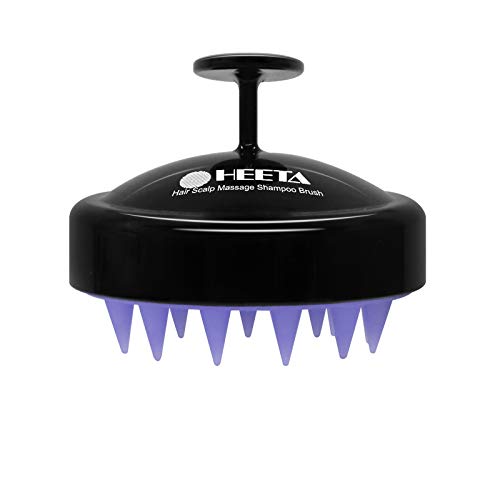
- Silicone scalp scrubber brush for cleansing scalp exfoliating massager — for gentle exfoliation and lather distribution
- Manual scalp massager with plastic handle silicone bristles for shampooing — for stimulating circulation and thorough cleansing
- Scalp exfoliating brush for shower silicone brush for hair washing — versatile in the shower for deep cleansing

Before You Start
Prepare a comfortable shower setup and select a mild, scalp-friendly shampoo. Test any new tool on a small patch of skin to ensure there is no irritation. Typical time for an at-home scalp cleansing routine is 5–15 minutes. Avoid applying excessive pressure or using very hot water, which can irritate the scalp and strip natural oils. If you have a medical condition affecting the scalp or skin, consult a dermatologist before starting a cleansing routine.
Step-By-Step: How To Clean Scalp
- Wet hair thoroughly with lukewarm water to open follicles and loosen buildup.
- Apply a small amount of shampoo and work into a light lather using your hands for initial cleansing.
- Switch to a dedicated tool — choose a silicone scalp scrubber brush for cleansing scalp exfoliating massager to begin exfoliation. Gently glide in circular motions across the crown, sides, and nape.
- Focus on root areas where oil and products tend to accumulate. Continue for 1–2 minutes, avoiding aggressive scrubbing.
- Rinse thoroughly to remove shampoo and loosened skin cells. If using a manual scalp massager with plastic handle silicone bristles for shampooing, alternate with light strokes to promote circulation.
- Reapply a small amount of shampoo or a mild cleanser if needed, and repeat the massaging action with the tool for a secondary cleanse.
- Rinse completely and finish with a cool water rinse to help close the cuticles and reduce residue.
- Gently squeeze excess water from hair and pat dry with a towel. Allow scalp to air-dry or style as usual.
- Clean the tool after use by rinsing and letting it dry in a ventilated area to prevent mold or odor buildup.
- Store the tool in a dry, accessible spot to encourage consistency in routine.
- Limit exfoliating sessions to 2–3 times per week for most people, adjusting for scalp sensitivity and hair type.
Troubleshooting
| Symptom | Likely Cause | Fix | Prevention |
|---|---|---|---|
| Itchy scalp after cleansing | Overly aggressive scrubbing or harsh products | Switch to a softer touch and a mild shampoo | Use gentler tools and avoid scrubbing too hard |
| Residue after rinse | Inadequate rinsing or heavy conditioner left behind | Rinse longer and focus on root area; rinse conditioner thoroughly | Rinse thoroughly during each wash |
| Tool collects residue or odor | Moist environment and infrequent cleaning | Rinse after use and air-dry; clean weekly | Dry tools completely between uses |
| Scalp irritation | Allergic reaction to product or material | Discontinue use of the product and try a fragrance-free option | Test new tools on a small area first |
Common Mistakes
- Scrubbing too hard or too aggressively with any tool
- Using hot water that strips natural oils
- Neglecting to rinse thoroughly, leaving residue
- Not drying tools properly, leading to odor or mold
- Over-exfoliating, which can irritate the scalp and cause flaking
Tips For Best Results
- Choose a tool with silicone bristles for durability and gentle cleansing
- Incorporate scalp exfoliation into a regular wash routine but monitor scalp response
- Use a gentle, pH-balanced shampoo suitable for your hair type
- Rotate tools to prevent adaptation and maintain effectiveness
- Keep tools clean and dry to extend their life and hygiene
Call A Professional
Seek professional help if you notice persistent itching, redness, or signs of infection that don’t improve with routine care. If you have a scalp condition such as seborrheic dermatitis, psoriasis, or extensive flaking, consult a dermatologist to determine an appropriate treatment plan and product compatibility.
FAQ
What is the best way to start scalp cleansing?
Begin with a mild shampoo and test a silicone scalp scrubber brush for cleansing scalp exfoliating massager to gauge comfort and effectiveness.
How often should I exfoliate my scalp?
Most people benefit from 2–3 exfoliation sessions per week, adjusting for sensitivity and scalp health.
Can I use the brush with any shampoo?
Yes, but opt for a gentle cleanser free of harsh chemicals for best results.
Are there risks with scalp exfoliation?
Over-exfoliation or aggressive scrubbing can irritate the scalp; follow recommended guidance and listening to scalp signals.
Should I use a conditioner after exfoliating?
Yes, apply conditioner to the mid-lengths and ends to maintain moisture after cleansing.
Is scalp cleansing different from general hair washing?
Scalp cleansing emphasizes removal of oil and buildup at the roots, often benefiting from a massaging tool for stimulation and better cleansing.
Can these tools help with product buildup?
Yes, the exfoliating action helps remove residue from styling products when used with a suitable cleanser.
Is a professional scalp treatment necessary?
For persistent symptoms or specialized conditions, a professional evaluation may be warranted.
Buying Guide
When selecting a scalp cleansing tool, consider size, material, and design that suit your shower setup and comfort level. A silicone-based brush tends to be durable and hygienic, while a manual scalp massager with flexible bristles can provide a gentler or more targeted approach. Look for tools with ergonomic handles that grip securely with wet hands and are easy to clean. Noise-sensitive users should note that these tools are silent in use, making them suitable for shared bathrooms. Consider how the tool fits into your routine, whether you prefer a dedicated cleansing brush or a versatile silicone brush for hair washing, and how easy it is to store and dry between uses. For optimal results, pair the tool with a mild cleanser and adjust usage based on scalp response. Are you looking for a balance between exfoliation strength and comfort? A well-chosen silicone scalp brush can deliver consistent performance with minimal maintenance.
Leave a Reply