How to Clean Sticky Wooden Handrails Effectively
Sticky handrails can be caused by old adhesives, oils, or everyday grime that soaks into wood. Proper cleaning restores grip and appearance without damaging the finish. This guide focuses on safe, practical steps for American homes to remove sticky residues from wooden handrails.
By following a simple sequence of prep, gentle cleaners, and drying, you can restore a smooth, clean surface. The methods below emphasize products like adhesive remover for wood surfaces, wood furniture cleaning brushes, and microfiber cloths to protect the wood while removing stickiness.
Quick Answer
Start with a gentle cleaner and a soft nylon brush to lift residue, then wipe with a microfiber cloth. If stickiness persists, use a manufacturer-approved adhesive remover for wood surfaces, rinse with a damp cloth, and dry thoroughly. Avoid saturating wood and test cleaners in an inconspicuous area first.
What You’ll Need
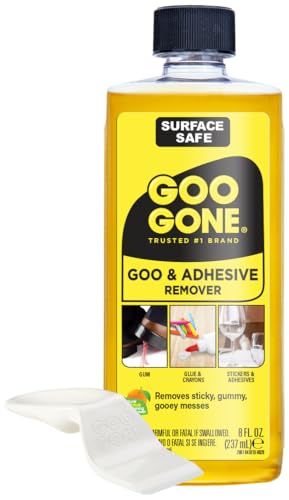
- Adhesive remover for wood surfaces spray bottle
- Wood furniture cleaning brush nylon bristle
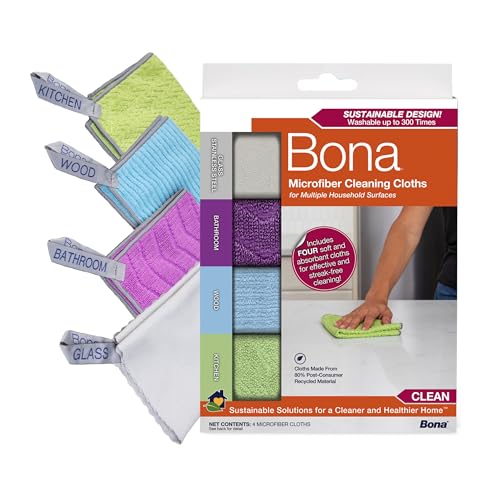
- Microfiber cloth set for wood cleaning
- Warm water and mild soap (optional as a follow-up step)
- Soft cotton towel or chamois for drying

Before You Start
Inspect the handrails for any cracks or loose sections. If the wood is unfinished or peeling, proceed with extra care to avoid introducing water damage. Test any cleaner on a small, hidden area before applying widely. Work in a well-ventilated space and wear gloves if you are sensitive to cleaners. Time estimate: about 30–60 minutes, depending on the stain and handrail length. Crucial cautions: do not oversaturate the wood, avoid abrasive tools that could scratch the finish, and never mix cleaners with bleach or ammonia.
Step-By-Step: How To Clean Sticky Wooden Handrails
- Clear the path and protect surrounding surfaces with a drop cloth or towel.
- Put on gloves and ventilation if using solvents or strong cleaners.
- Lightly dust the handrails with a dry microfiber cloth to remove loose debris.
- Apply a small amount of adhesive remover for wood surfaces spray bottle to a clean cloth or directly to the residue, following the product instructions.
- Gently work the cleaner into the sticky area using wood furniture cleaning brush nylon bristle, applying minimal pressure to avoid finishing damage.
- Wipe away loosened residue with a fresh microfiber cloth, turning the cloth to a clean section as needed.
- For stubborn spots, reapply a light amount of cleaner, let it set briefly, then wipe again.
- Rinse the area with a damp cloth (warm water) to remove cleaner traces.
- Dry thoroughly with a soft towel to prevent moisture intrusion into the wood.
- Inspect for remaining stickiness. If needed, repeat the gentle cleaning cycle on small areas only.
- Finish with a dry microfiber cloth and, if desired, a light wood-safe polish according to manufacturer directions.
- Dispose of used cloths properly and store cleaners in a safe location.
Troubleshooting
| Symptom | Likely Cause | Fix | Prevention |
|---|---|---|---|
| Streaks or film after cleaning | Residual cleaner or soap film | Wipe with a clean, damp cloth and dry thoroughly; reuse a fresh microfiber cloth | Rinse with plain water after any cleaner use |
| Persistent stickiness | Heavy residue or finish layer | Apply a small amount of adhesive remover for wood surfaces and repeat steps | Avoid over-application; test first |
| Discolored or dull finish | Over-wetting or harsh cleaner | Switch to milder cleansers and limit moisture; dry immediately | Use wood-friendly products and follow finish care guidelines |
| Rings or water stain after cleaning | Moisture exposure | Blot moisture and apply a appropriate wood finish or polish as needed | Keep wood dry during cleaning; clean in small sections |
Common Mistakes
- Using harsh solvents on finished wood or unfinished surfaces
- Over-saturating wood with water or cleaners
- Using abrasive brushes or scrubbers that scratch the finish
- Ignoring manufacturer instructions for adhesive remover products
- Skipping a test in a hidden area before full application
Tips For Best Results
- Always test cleaners on a hidden spot first to gauge finish compatibility.
- Work in small sections and keep moisture to a minimum on wood surfaces.
- Use a clean microfiber cloth for every pass to avoid re-depositing grime.
- Follow up with a wood-safe conditioner or polish to restore luster after cleaning.
- Label and store all cleaning products out of reach of children and pets.
Call A Professional
If handrails show deep finish damage, warping, or ongoing sticky residues after multiple cleanings, consider consulting a woodworking professional or carpenter. Seek help if large areas require refinishing or if moisture has penetrated the wood structure. Stop cleaning and contact a pro when you notice cracking, peeling, or looseness in the handrail joints.
FAQ
Can I use regular household cleaners on wooden handrails?
Yes, but opt for mild, wood-safe cleaners and avoid products that contain harsh solvents or ammonia on finished surfaces.
Is adhesive remover necessary for all stickiness?
Not always; start with a gentle cleaner and a nylon brush, and only use adhesive remover if stickiness persists.
How should I dry the wood after cleaning?
Pat dry with a soft towel and air-dry until completely dry before applying polish or conditioner.
What if the finish gets damaged during cleaning?
Stop cleaning that area, allow it to dry, and consult a professional if the finish appears compromised.
How often should I clean wooden handrails?
Clean every few months or as needed if sticky residues or oils accumulate from frequent use.
Are there eco-friendly options for adhesive removers?
Look for products labeled safe for wood and low-VOC; follow all safety instructions on the label.
Buying Guide
When choosing products for cleaning wooden handrails, consider size, ease of use, and compatibility with wood finishes. For cleaners, select a spray bottle format for controlled application and ensure they are labeled safe for wood surfaces. A microfiber cloth set for wood cleaning provides effective residue removal without scratching. A wood furniture cleaning brush nylon bristle helps lift grime from grooves and joints without damaging the wood. For stubborn residues, an adhesive remover for wood surfaces spray bottle can be helpful, but test first and follow directions carefully. Placement of cleaning supplies should be within reach but away from heat, moisture, and children, and store products in their original containers with caps tightly closed.
Key buying factors include:
- Size and spray design: Choose a bottle size that matches cleaning frequency and a spray nozzle that delivers a fine mist or controlled stream.
- Finish compatibility: Confirm the product is safe for your handrail finish (stain, varnish, or sealant).
- Noise level and ease of use: While cleaning, consider whether tools like brushes create noise or require significant effort.
- Energy efficiency of accessories: Not applicable to handrails directly, but choose durable brushes and cloths that last longer.
- Placement and storage: Keep cleaners away from sunlight and heat; store near cleaning supplies for quick access.
Would you like a personalized product shortlist based on your rail finish and usage? I can tailor recommendations to your home setup and cleaning preferences.
Leave a Reply