How to Remove Dry Erase Marker From Fabric
Dry erase markers can leave stubborn stains on clothing and fabrics, especially on light-colored materials. With a few household tools and targeted stain removers, most markers lift without damaging the fabric. This guide provides a practical, step-by-step approach using accessible products commonly found in American households and stores.
The following steps emphasize safe handling and testing on inconspicuous areas first. Readers will find specific product suggestions that align with typical fabric cleaning routines and meet consumer expectations for performance and ease of use.
Quick Answer
Act quickly by blotting to lift as much ink as possible, apply a stain remover pen or fabric stain remover spray to the area, then launder as usual. If any stain remains, repeat the treatment before air drying. Do not put the fabric in the dryer until the stain is fully removed, as heat can set the marker.
What You’ll Need
The following tools and products cover most common fabrics and stain scenarios. Gather these before starting to streamline the process.
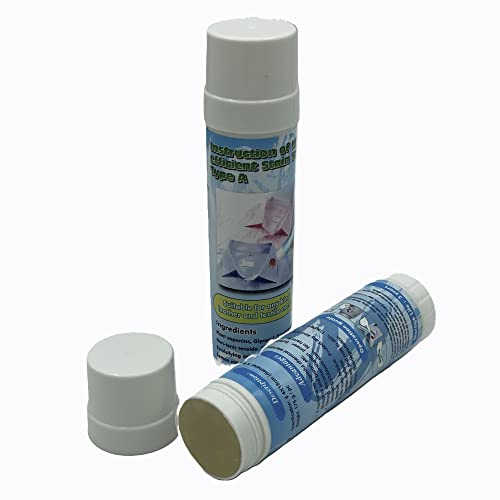
- Stain remover pen for fabric clothes (or any fabric-safe spot treatment)
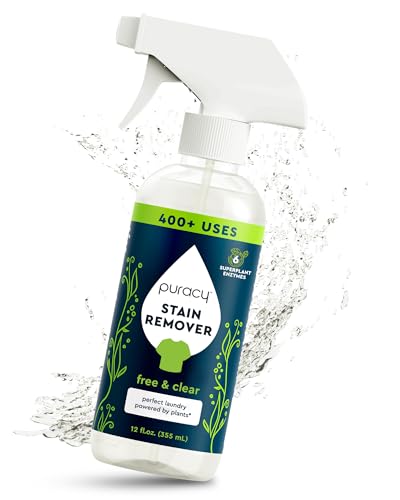
- Fabric stain remover spray enzyme cleaner
- Laundry pre-wash stain treatment pen
- Clean white cloths or paper towels
- Cold water for rinsing
- Old toothbrush or soft bristle brush (optional)
- Small bowl or spray bottle for applying cleaners

Before You Start
Before treating the stain, test any cleaner on a hidden seam or inside hem to ensure it won’t damage the fabric’s color or finish. Work in a well-ventilated area and wear gloves if you have sensitive skin. Time is a factor: the sooner you treat, the easier the stain will lift. If the fabric is delicate (silk, wool, or suede), consider spot-testing a hidden area and use gentler cleaners or seek professional cleaning options.
Critical cautions: avoid heat until the stain is fully removed to prevent setting the ink, and never rub aggressively, which could spread the ink or fray fibers. For colored or printed fabrics, a light touch helps preserve color intensity.
Step-By-Step: How To Remove Dry Erase Marker From Fabric
- Place a white cloth under the stained area to prevent transferring the ink to other parts of the fabric.
- Blot the stained spot with a clean, dry cloth to remove excess marker ink. Do not rub; blotting helps lift without spreading.
- Apply a stain remover pen for fabric clothes directly to the stain. Follow the product directions for the amount and contact time.
- Gently blot or rub the treated area with a soft-bristle brush or clean cloth to work the cleaner into the fibers.
- Rinse the fabric under cold running water from the backside of the stain to push ink out of the fibers.
- Spray a coat of fabric stain remover spray enzyme cleaner and let it sit for the recommended duration, typically a few minutes to several minutes, depending on the product.
- Pat the area again with a clean cloth to remove loosened ink, then launder as usual using the cold water setting. Use your regular detergent unless the product specifies otherwise.
- Check the stain after washing. If faint color remains, repeat the treatment once more before drying.
- For stubborn leftovers, apply a laundry pre-wash stain treatment pen and rewash, air-drying after the cycle.
- Air-dry the fabric and inspect in good lighting. If the stain persists, consider repeating the steps or seeking professional cleaning before applying heat.
- Repeat the process only as needed to avoid over-wetting delicate fabrics or causing fiber damage.
Troubleshooting
| Symptom | Likely Cause | Fix | Prevention |
|---|---|---|---|
| Ink spreads beyond the original area | Rubbing or applying cleaner too aggressively | Blot gently, reapply cleaner to the edge and work inward | Test first; use blotting rather than rubbing |
| Stain remains after washing | Ink deeply set or fabric absorbed dye | Repeat treatment with a different cleaner; avoid heat | Treat promptly; avoid drying until fully removed |
| Fabric color fades | Excess cleaner or harsh enzyme cleaner | Rinse thoroughly and wash once more with mild detergent | Spot-test cleaners on hidden area |
| Delicate fabric shows fibers fraying | Brushing too hard or using strong cleaners | Switch to gentler method; shorten contact time | Use gentle, fabric-specific products |
Common Mistakes
- Using hot water or heat before the stain is removed, which can set the marker.
- Rubbing vigorously, which spreads ink and damages fibers.
- Skipping a test on an inconspicuous area, risking color loss.
- Over-soaking delicate fabrics that may swell or warp.
Tips For Best Results
- Work from the outside edge toward the center to prevent spreading.
- Use enzyme cleaners designed for fabric stains for better pigment breakdown.
- For multi-color prints, choose a stain remover pen formulated for color-safe fabrics.
- Always air-dry and inspect in bright light before considering re-washing.
- Store cleaners in a cool, dry place away from children and pets.
Call A Professional
Consider professional cleaning if the fabric is antique, dry clean only, or if a large area is affected. Stop-and-spot signs to seek help include persistent stains after multiple at-home attempts, color bleed on irreplaceable garments, or delicate fabrics like leather or suede that require specialized care.
FAQ
Can I use rubbing alcohol to remove dry erase marker from fabric?
Rubbing alcohol can help on some fabrics, but test first and use sparingly to avoid color loss or fiber damage.
Is it safe to wash stained clothes in a regular washing machine?
Yes, after applying cleaners and testing, washing in cold water with regular detergent is typically effective.
What if the marker stain is on a decorative pillow or upholstery?
Use fabric-safe spot cleaners and avoid soaking; blot and air-dry, repeating if necessary.
Will these methods work on all marker colors?
Most dry erase markers can be removed with enzyme cleaners or stain pens, though neon or dual-color inks may require extra treatment steps.
How soon should I treat a fresh stain?
As soon as possible. Quick action increases the likelihood of complete removal.
Can high-heat drying ruin my fabric after treatment?
Yes. Do not use a dryer until the stain is fully removed to prevent set-in color.
Buying Guide
Choosing the right products for removing dry erase marker stains focuses on fabric compatibility, stain aggressiveness, and ease of use. Consider these factors to make a smart purchase:
- Size and application: Pen-style stain removers are convenient for quick spot treatment; sprays offer even coverage for larger areas.
- Enzyme action: Look for enzyme-based cleaners designed for fabrics to break down ink pigments effectively.
- Pre-wash options: Pre-wash pens provide a direct way to treat ingrained stains before laundering.
- Color-safe formulas: If treating colored garments, choose color-safe or dye-stable options to minimize fading.
- Fabric compatibility: Check labels for fiber content (cotton, polyester, blends) and care instructions (machine wash vs. dry clean only).
- Ease of use: Consider whether you prefer a simple dab-and-go pen or a spray with a guided dwell time.
- Storage and safety: Ensure products are stored away from children and pets, with clear usage directions.
When comparing options, ask yourself about the typical fabrics in your wardrobe, how often stains occur, and whether you prioritize quick spot treatment or deep cleaning. A balanced kit featuring a stain remover pen for fabric clothes, a fabric stain remover spray enzyme cleaner, and a laundry pre-wash stain treatment pen offers versatility for common household stains, including dry erase ink.
Leave a Reply