How to Clean Stainless Steel Appliances With Vinegar
Stainless steel appliances bring a sleek, modern look to kitchens, but fingerprints, smudges, and water spots can dull their shine. Using vinegar, a natural cleaner, provides a simple and effective method to remove residue without harsh chemicals. This guide outlines practical steps and tools to restore luster safely and efficiently.
Quick Answer
Mix distilled white vinegar with water in a reusable spray bottle, wipe with a microfiber cloth, and buff with a polishing cloth for a streak-free finish. For tough spots, apply vinegar undiluted and let it sit briefly before wiping.
What You’ll Need
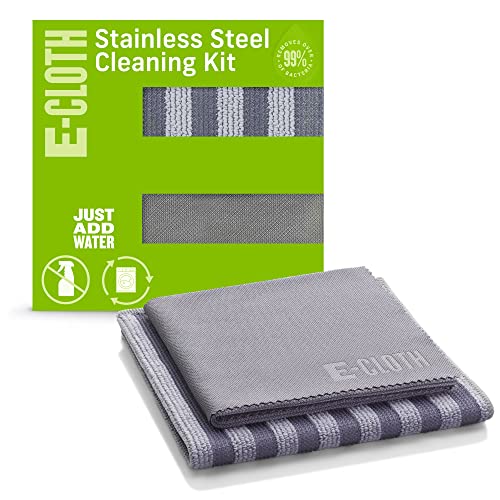
- stainless steel appliance microfiber cleaning cloths
- 16 oz reusable spray bottle for vinegar cleaner
- stainless steel appliance polishing cloth set


Before You Start
Clear the area and unplug or turn off appliances when safe to do so. Work in a well-ventilated area and avoid abrasive pads that can scratch the surface. Use a damp cloth to remove loose dust before applying cleaner. Time investment: 15–30 minutes depending on the number of surfaces.
Safety note: Do not mix vinegar with bleach or ammonia. Test a small inconspicuous area first to ensure no color change or dulling occurs.
Step-By-Step: How To Clean Stainless Steel Appliances With Vinegar
- Prepare the cleaning solution by mixing equal parts distilled white vinegar and water in the 16 oz reusable spray bottle.
- Dust the surface with a dry microfiber cloth to remove loose particles.
- Spray the solution lightly onto a clean microfiber cloth, not directly onto the appliance to avoid dripping into seams.
- Wipe in the direction of the grain to lift smudges and fingerprints without streaks.
- For stubborn spots, spray directly onto the cloth and hold it on the area for a few seconds before wiping.
- Rinse the cloth and wipe again to remove any vinegar residue, especially on high-gloss areas.
- Dry with a separate polishing cloth to remove remaining moisture and enhance shine.
- Buff with long, even strokes following the grain to reduce streaking.
- Address appliance handles and edges with a slightly dampened cloth, then dry thoroughly.
- Optional: Apply a dedicated stainless steel polishing cloth to boost luster and add a protective film.
- Inspect for streaks or smudges; repeat targeted cleaning if necessary.
- Store cleaning tools and dispose of used cloths when done, keeping the workspace clear for the next use.
Troubleshooting
| Symptom | Likely Cause | Fix | Prevention |
|---|---|---|---|
| Streaks after drying | Excess moisture or improper cloth | Buff with a dry polishing cloth; ensure cloths are clean | Use freshly laundered microfiber cloths |
| Cloudy appearance on certain areas | Wipe against the grain | Switch to grain-aligned motions | Test small area first |
| Residue near seams or vents | Over-application | Apply lighter mist and wipe promptly | Apply with a damp cloth, not dripping |
| Color change on delicate finishes | Undiluted vinegar on sensitive coatings | Dilute and test first | Avoid prolonged contact |
Common Mistakes
- Using abrasive pads or steel wool that scratch surfaces
- Spraying vinegar directly onto appliances instead of onto cloth
- Over-wetting controls or electronics near the surface
- Skipping the drying step, which causes streaks
Tips For Best Results
- Work in small sections to maintain a uniform shine
- Use microfiber cloths designed for stainless steel to minimize scratching
- Combine vinegar with a dedicated stainless steel polish for enhanced protection
- Keep a routine cleaning schedule to prevent built-up grime
Call A Professional
Choose a professional if surfaces show persistent discoloration, deep scratches, or if the finish appears etched or warped after cleaning. Seek expert advice before attempting more aggressive restoration methods on antique or high-gloss finishes.
FAQ
Can I use vinegar on all stainless steel finishes?
Vinegar is generally safe for most stainless steel finishes, but test first on a small area, especially on specialty or brushed textures.
Is it better to use white vinegar or apple cider vinegar?
White distilled vinegar is preferred for cleaning due to its clarity and lack of color.
Will vinegar remove fingerprints?
Yes, vinegar helps dissolve the oils that cause fingerprints and smudges when used with a microfiber cloth.
How often should I clean stainless steel appliances with vinegar?
Wipe weekly or as needed to maintain a streak-free finish, deeper clean monthly or after cooking splatters.
Buying Guide
When choosing tools to clean stainless steel appliances with vinegar, consider size, material, and compatibility with your surfaces. Look for microfiber cloths with lint-free fibers and a lint-free finish to prevent scratches. A durable spray bottle with a wide spray pattern helps cover large panels efficiently. A polishing cloth set can provide a final buff for a showroom shine. Consider whether you prefer a simple duo of cloths and a bottle or a complete kit with multiple cloth types for different finishes and smoothing tasks. Energy efficiency and placement considerations are minimal for cleaning tasks, but choose tools that are easy to store near the kitchen for quick access.
Leave a Reply