How to Clean Glass Cooktops Safely and Effectively
Keeping a glass cooktop looking pristine involves regular cleaning with the right tools and a gentle touch. This guide outlines practical steps, common pitfalls, and safe product options to maintain a smooth, scratch-free surface.
<p
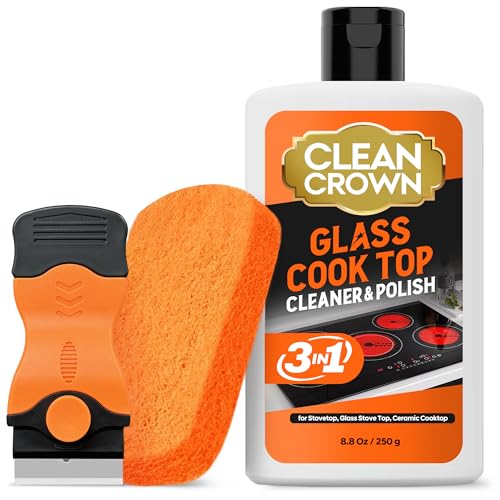
- Ceramic glass cooktop scraper plastic blade non-scratch
- Microfiber polishing cloth for glass cooktop cleaning kit
- Induction cooktop cleaning kit with non-scratch scrub sponge and scraper
- Remove loose crumbs and spills with a soft microfiber cloth.
- Apply a small amount of non-abrasive cleaner to the surface or directly to the cloth.
- Gently scrape away burnt-on residue with the ceramic glass cooktop scraper plastic blade non-scratch held at a low angle.
- Wipe residue in circular motions with the microfiber polishing cloth for glass cooktop cleaning kit until clear.
- For stubborn spots, use the induction cooktop cleaning kit with non-scratch scrub sponge and scraper, repeating the gentle pass.
- Buff the surface with a clean, dry portion of the microfiber cloth to remove streaks.
- Inspect the entire surface for remaining marks and repeat as needed.
- Finish by wiping the edges and control panel area to remove any cleaner residue.
- Let the surface dry completely before cooking again.
- Store tools in a cool, dry place away from direct heat.
- Keep a regular cleaning routine to prevent buildup and maintain shine.
- If any deep scratches appear or surface damage is suspected, pause use and assess further care options.
- Using harsh abrasives or steel wool on glass cooktops
- Scrubbing while the surface is hot or warm
- Overusing cleaner leading to residue buildup
- Rushing the final buff, leaving streaks
- Clean spills promptly to minimize hardening and staining
- Test cleaners on a small area before full use
- Store scrapers and cloths in a dedicated drawer for quick access
- Keep a light hand; pressure can cause micro-scratches over time
Quick Answer
Use a non-scratch scraper to remove burnt-on food, then wipe with a microfiber polishing cloth for glass cooktop cleaning kit residues. For stubborn stains, employ an induction cooktop cleaning kit with non-scratch scrub sponge and scraper, followed by a final buff with a clean cloth.
What You’ll Need


Before You Start
Before cleaning, ensure the cooktop is fully cool to the touch. Remove loose debris and turn off any connected power indicators. Work in a well-lit area and use a soft, non-abrasive motion to avoid scratching the glass. Never use abrasive powders or steel wool, which can damage the surface. Plan for 10–20 minutes per cleaning session for best results.
Step-By-Step: How To Clean Glass Cooktops
Troubleshooting
| Symptom | Likely Cause | Fix | Prevention |
|---|---|---|---|
| Cloudy or streaky surface | Residue left from cleaner | Rewipe with clean microfiber cloth | Use small amounts of cleaner and wipe thoroughly |
| Scratches visible | Use of abrasive material | Switch to non-scratch tools only | Avoid metal scrapers on glass |
| Stubborn burnt-on spots | Heavy buildup | Apply cleaner, dwell briefly, then scrape gently | Clean regularly to prevent buildup |
| Discoloration after cleaning | Cleaner residue | Buff with dry cloth until clear | Rinse with a small amount of cleaner if needed |
Common Mistakes
Tips For Best Results
Call A Professional
If the glass surface is cracked, chipped, or shows large, deep scratches, or if electrical components around the cooktop appear affected, contact a professional appliance technician. Do not attempt structural repairs yourself. Seek help when there is any uncertainty about surface integrity or safety.
FAQ
What is the best cleaner for a glass cooktop?
A non-abrasive cleaner paired with a microfiber cloth is effective for everyday use and helps avoid streaks.
Can I use vinegar on a glass cooktop?
Vinegar can be used in small amounts, but avoid applying directly to very hot surfaces and follow with thorough wiping to prevent residue.
How often should I clean my glass cooktop?
Wipe down daily or after each use; deeper cleaning weekly or as needed for buildup.
Is a scraper safe on glass cooktops?
Yes, a ceramic glass cooktop scraper plastic blade non-scratch is designed for safe use when held at a shallow angle and used only on cooled surfaces.
What should I do about stubborn stains that won’t come off?
Apply a little cleaner, let it sit briefly, then use the non-scratch scraper to lift the stain and buff with a microfiber cloth.
Are induction-specific cleaners necessary?
Induction cooktop cleaning kits can be helpful for stubborn residue but should be used as directed and kept away from hot surfaces.
Can I place cookware directly on a glass surface after cleaning?
Yes, once the surface is completely dry and free of cleaner residue, you can resume cooking.
Buying Guide
When choosing products to maintain glass cooktops, consider size and compatibility with your model, the material of non-scratch scrapers, and the type of cloths included in cleaning kits. Look for a recommended combination of a ceramic glass cooktop scraper plastic blade non-scratch and a microfiber polishing cloth for glass cooktop cleaning kit for daily upkeep. An induction cooktop cleaning kit with non-scratch scrub sponge and scraper can help tackle tougher messes without scratching. Evaluate whether you prefer a compact kit for quick touch-ups or a comprehensive set for periodic deep cleans. Noise from cleaning tools is typically minimal, but choose pads and brushes that operate quietly if the kitchen environment is sensitive to sound. Energy efficiency isn’t directly affected by cleaning tools, yet a clean surface reflects heat more evenly, contributing to consistent cooking performance. Consider storage space and ease of access when selecting a kit, and check if the kit includes clear instructions to maximize safety and results.
Leave a Reply