How to Clean a Cast Iron Burger Press
Cleaning a cast iron burger press after use helps maintain its seasoning and extends its lifespan. Proper care prevents rust and keeps burgers lifting evenly from the press. This guide focuses on safe, effective methods tailored for cast iron tools used in homes across the United States.
With the right approach, a cast iron burger press can perform reliably for years. The process below emphasizes gentler cleaning methods that protect the seasoning while removing grease and meat residues.
Quick Answer
Quick steps: Rinse the press with warm water, avoid soap if possible, scrub with a cast iron friendly brush, dry thoroughly, and lightly oil before storing. For stubborn residue, use a soft nylon scrub brush and a dedicated cast iron cleaning tool to minimize scratch risk.
What You’ll Need
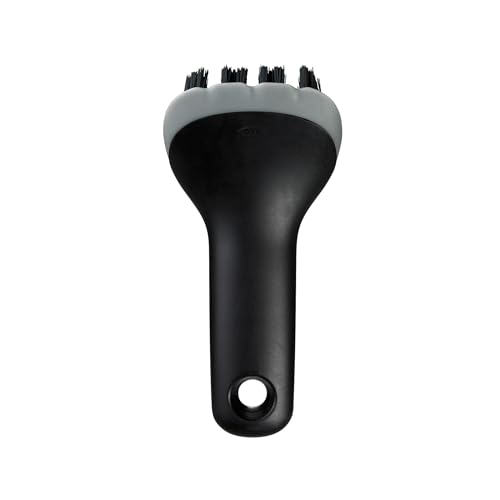
- cast iron burger press cleaning brush
- cast iron grill press cleaning kit
- soft nylon scrub brush for cast iron cookware


Before You Start
Prepare a clean workspace and have a dry towel ready. Do not soak cast iron for long periods; quick rinses are preferred. Ensure the press is completely dry before applying oil to prevent rust. If the press shows light surface rust, address it promptly with a non-abrasive brush and a small amount of oil. Plan about 5–10 minutes for initial cleanup, plus extra time if seasoning is needed.
Step-By-Step: How To Clean A Cast Iron Burger Press
- Allow the press to cool to a safe handling temperature after cooking, then wipe off loose grease with a dry cloth.
- Rinse under warm running water to loosen stuck-on bits. Avoid harsh detergents that can strip seasoning.
- Use a cast iron burger press cleaning brush or a soft nylon scrub brush for cast iron cookware to scrub the ridges and edges gently.
- For stubborn residue, apply a tiny amount of nonstick seasoning oil and scrub again with the brush until clean.
- Rinse thoroughly to remove soap residue if soap is used, then immediately dry with a clean towel.
- Place the press on a low-heat burner or in a warm oven for a few minutes to ensure complete drying, turning occasionally.
- Once fully dry, apply a thin coat of neutral oil (like flaxseed or vegetable oil) to the pressing surfaces to maintain seasoning.
- Store in a dry area with good air circulation. If stacking with other cookware, place a paper towel between surfaces to protect the finish.
- Periodically inspect for rust or flaking seasoning. If noticed, re-season the affected areas following your favorite cast iron routine.
- For maintenance, repeat this cleaning routine after each use to keep the press in optimal condition.
- If you use a cleaning kit, follow its specific instructions for best results.
Troubleshooting
| Symptom | Likely Cause | Fix | Prevention |
|---|---|---|---|
| Residue stubborn after washing | Residual fat buildup | Use a soft nylon scrub brush and a drop of oil to loosen | Clean promptly after use |
| Rust spots | Water exposure or incomplete drying | Scrub lightly, dry thoroughly, re-season | Dry immediately after washing; store in a dry place |
| Seasoning wearing away | Harsh detergents or aggressive scrubbing | Switch to gentler brushes and re-season regularly | Clean with minimal soap; avoid metal scrapers |
| Food sticking during use | Seasoning damaged or incomplete | Re-season the press as needed | Apply light oil before each use |
Common Mistakes
- Using strong dish soaps or metal scouring tools that can strip seasoning
- Leaving the press wet for extended periods
- Forgetting to reapply a light coat of oil after cleaning
- Storing while still damp, which promotes rust
These missteps are easy to avoid with a simple routine after every use.
Tips For Best Results
- Maintain a regular cleaning rhythm to preserve the natural seasoning of the cast iron press.
- Keep a dedicated cleaning brush close to the cooking area to streamline post-cook cleanup.
- Always dry thoroughly before applying oil to prevent moisture from seeping into the metal.
- Lightly oil the pressing surfaces after each cleaning to enhance nonstick performance over time.
- Store the press in a dry cabinet or on a rack with ample air circulation to avoid moisture buildup.
Call A Professional
If you notice significant rust that does not respond to routine cleaning, or if the cast iron press shows deep pitting or plating loss, consult a professional or consider replacing the item. Seek expert help if you accidentally damaged the seasoning during cleaning or if you have questions about safe re-seasoning methods.
FAQ
Is it safe to use soap on a cast iron burger press?
Generally, soap is discouraged because it can strip seasoning. If you must use soap, use it sparingly and re-season promptly after cleaning.
Can I put a cast iron burger press in the dishwasher?
No. Dishwashers can strip seasoning and cause rust; hand wash only.
How often should I re-season a cast iron burger press?
Season as needed when you notice dull spots, sticking, or after heavy cleaning that removed seasoning.
What oil should I use for seasoning?
Choose a neutral oil with a high smoke point, such as flaxseed, vegetable, or canola oil, applied in a thin layer and baked into the surface.
Will cleaning affect the press’s nonstick properties?
Proper cleaning preserves seasoning that acts as a natural nonstick; aggressive cleaning can reduce effectiveness.
Buying Guide
When selecting a cast iron burger press and accessories, consider several factors to ensure the best experience in the kitchen.
Size and shape: Choose a press that matches standard burger patty sizes and fits well with your grill or skillet. A compact profile saves space, while a larger surface yields uniform patties.
Noise level and build quality: Look for sturdy construction with smooth handles and a robust hinge. A well-made press minimizes rattling and improves longevity.
Energy efficiency: While manual tools don’t consume energy, a well-designed press reduces cooking time by generating uniform heat distribution across the patty, indirectly saving fuel.
Controls and features: Some presses include adjustable thickness guides or ridges to create pattern marks. Decide which features matter for your cooking style.
Materials and finish: Cast iron offers durability and seasoning benefits. Consider enameled options if you prefer easier cleaning and less maintenance, though traditional cast iron provides better seasoning potential.
Maintenance and compatibility: Ensure cleaning tools and kits are compatible with cast iron materials. A dedicated cleaning brush and a labeled cleaning kit help maintain seasoning.
Placement and storage: Store in a dry area away from humidity. Consider a hanging rack or a dedicated shelf to prevent accidental moisture exposure.
In short, pick a press that feels sturdy, matches your patty size, and integrates smoothly with your cooking setup. With the right care routine, a cast iron burger press can deliver consistent results for years.
Leave a Reply