How to Clean Occlusal Guard
Occlusal guards help protect teeth from grinding and clenching by absorbing the impact of night-time activity. Proper cleaning extends the life of the guard and keeps it hygienic for daily use. This guide covers practical steps, safe products, and common pitfalls to maintain your occlusal guard effectively.
Quick Answer
Rinse the guard with lukewarm water, gently scrub with a soft bristle toothbrush, and soak periodically in a specially formulated occlusal guard cleaning tablet or a mild cleanser. Use an ultrasonic cleaner for thorough cleaning when available, and air-dry completely before storing. Replace as recommended by your dentist.
What You’ll Need
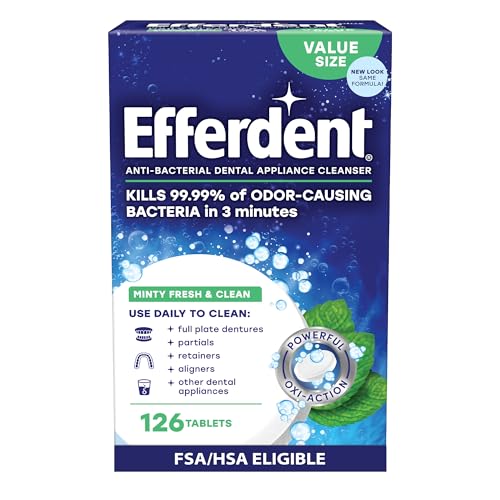
- Occlusal guard cleaning tablets
- Ultrasonic cleaner for night guard
- Soft bristle toothbrush for night guard
- Plain white vinegar or mild, non-abrasive soap (optional for deep cleaning, not daily use)
- Clean, dry storage case


Before You Start
Prepare a clean work surface and wash hands before handling the guard. Check the guard for cracks or wear; a damaged guard should be replaced. Avoid hot water and harsh cleaners that can warp or degrade materials. Typical cleaning times range from a few minutes for daily care to 15–30 minutes for periodic deep cleaning. Important: never boil or microwave the guard, and never put it in a dishwasher unless the manufacturer specifically approves.
Step-By-Step: How To Clean Occlusal Guard
- Rinse the guard under cool to lukewarm running water to remove saliva and loose debris.
- Gently brush with a soft bristle toothbrush for night guard, using non-abrasive toothpaste or a mild soap if needed.
- Fill a clean cup or bowl with lukewarm water and add a occlusal guard cleaning tablet according to the product directions.
- Submerge the guard completely and let it soak for the recommended time, usually 5–15 minutes.
- Rinse thoroughly under running water to remove any residue from the cleaning tablet.
- Optionally, run a short cycle in an ultrasonic cleaner for night guard to remove fine particles and loosen grime.
- Shake off excess water and blot dry with a clean towel; allow the guard to air dry completely inside a clean storage case.
- Store in a breathable case with the lid open when not in use to prevent moisture buildup and odor.
- Repeat daily cleaning as part of a routine and perform deeper cleaning weekly or per manufacturer guidance.
- Inspect the guard for wear during cleaning; report any cracks or changes in fit to a dentist promptly.
Troubleshooting
| Symptom | Likely Cause | Fix | Prevention |
|---|---|---|---|
| Guard smells after cleaning | Residual bacteria or trapped moisture | Increase rinsing time; consider a cleaning tablet soak | Dry completely before storage |
| Discoloration or staining | Food pigments or minerals | Gentle soak with a cleaning tablet; avoid abrasive cleaners | Rinse after meals; regular cleaning |
| Warping or deformation | Exposure to heat | Use lukewarm water only; avoid hot water | Follow manufacturer temperature guidelines |
| Guard feels slippery | Residue buildup | Thorough rinse and brush with soft bristles | Regular cleaning routine |
| Rough edges after cleaning | Old material wear | Consult dentist about replacement | Handle with care; inspect monthly |
Common Mistakes
- Using hot water or harsh cleaners that can warp the material
- Skipping brushing or improper brushing that damages the surface
- Over-soaking with strong chemicals that can degrade the guard
- Not allowing full drying before storage, leading to odor or mold
Tips For Best Results
- Establish a daily routine: rinse, brush, soak, rinse, dry, and store.
- Use a dedicated soft bristle toothbrush designed for night guards to avoid scratching the surface.
- Choose cleaning tablets that are specifically formulated for occlusal guards or retainers.
- Consider brief ultrasonic cleaning weekly to remove hidden debris without abrasive scrubbing.
- Label your storage case to keep it clean and prevent cross-contamination with other items.
Call A Professional
Consult a dentist if the guard shows persistent odors, persistent stains after cleaning, cracking, or noticeable changes in fit. Do not continue to use a damaged guard, as it may fail to protect teeth or cause discomfort. Seek professional advice promptly if irritation or unusual sensitivity occurs during cleaning.
FAQ
How often should I clean my occlusal guard?
Clean daily with a soft brush and rinse, plus a weekly deeper clean using a cleaning tablet or ultrasonic cleaner.
Can I use vinegar to clean my guard?
Plain white vinegar can be used cautiously for occasional deep cleaning, but dilute and rinse thoroughly to avoid residue or material damage.
Is an ultrasonic cleaner necessary?
Not strictly necessary, but it helps remove fine debris and is convenient for a deeper clean when available.
What should I do if the guard develops a crack?
Stop using it and contact your dentist or the manufacturer for guidance and possible replacement.
Can I store my guard in the bathroom?
Avoid excessive humidity and heat; use a dry, ventilated case away from direct heat sources.
Should I use toothpaste to clean my guard?
Use a non-abrasive toothpaste or mild soap; abrasive pastes can scratch the surface over time.
Does cleaning affect the guard’s lifespan?
Regular, proper cleaning helps maintain fit and material integrity, potentially extending its life.
Buying Guide
When selecting an occlusal guard cleaning routine and accessories, consider size, noise level, and compatibility with your guard material. Look for gentle, non-abrasive cleaners and clear instructions from the manufacturer. Noise is typically minimal with ultrasonic cleaners, but check for a model that suits your bathroom setup. Energy efficiency matters if you use an electric cleaner regularly, so consider lower-watt options. Controls should be simple to operate, with clear soak times and drainage. Placement matters: keep cleaners away from children and pets, and store the guard in a breathable case to prevent moisture buildup. Compare cleaning tablet brands for compatibility with your guard’s material; some are designed specifically for dental appliances to ensure safe, effective cleaning. For most users, a combination of daily brushing, periodic soaking with tablets, and optional ultrasonic cleaning provides a balanced, effective approach.
Leave a Reply