How to Clean Lambswool: Gentle Care for Wool Sweaters
Lambswool offers a soft, luxurious feel but requires careful cleaning to maintain its fiber integrity. This guide provides practical, step-by-step methods to refresh lambswool garments without shrinking, felting, or losing shape. By following careful washing, drying, and touch-up techniques, wool sweaters stay cozy and looking like new season after season.
Quick Answer
Gentle hand wash in cool water, use a delicate wool wash brush for sweaters if needed, rinse thoroughly, and lay flat to dry. For light pilling and surface fuzz, a fabric shaver for knit wool garments can help, while a lint roller for wool sweaters removes stray fibers and lint.
What You’ll Need
- Cool or lukewarm water for washing
- Gentle or wool-specific detergent
- Delicate wool wash brush for sweaters
- Lint roller for wool sweaters
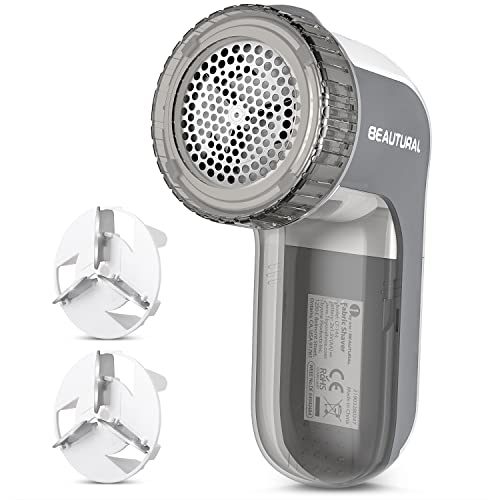
- Fabric shaver for knit wool garments
- Clean towels or a drying rack for shaping drying
- Flat surface for drying (no hanging to prevent stretching)

Before You Start
Prepare a clean, flat workspace and a basin or sink large enough to submerge the garment. Test colorfastness on a hidden area if the lambswool is patterned or dyed. Use cool water to avoid felting, and never wring the fabric. Allow ample drying time, ideally 24 hours, to restore shape. If the garment has embellishments or delicate stitching, handle with extra care.
Step-By-Step: How To Clean Lambswool
- Fill a basin with cool water and add a small amount of wool-specific detergent.
- Turn the sweater inside out and gently submerge it, pressing to release dirt—avoid rubbing.
- Let it soak for 10–15 minutes, then swirl softly to loosen grime without agitation.
- Rinse in cool water until no detergent remains, supporting the fabric to prevent stretching.
- Remove excess water by laying the garment on a towel and rolling gently; do not wring.
- Lay flat on a clean surface; reshape to original dimensions and let air dry away from direct heat or sun.
- Once dry, use a lint roller for wool sweaters to remove surface lint and fibers.
- If pilling is present, carefully trim with a fabric shaver for knit wool garments, moving in one direction.
Troubleshooting
| Symptom | Likely Cause | Fix | Prevention |
|---|---|---|---|
| Garment felted or shrunk | Hot water or agitation | Acidic vinegar soak is not recommended; consider professional restoration | Always use cool water and gentle handling |
| Lingering detergent odor | Insufficient rinse | Rinse again with cool water until scent-free | Double rinse when washing at home |
| Pilling after wear | Friction on sleeves or seams | Lightly shave with fabric shaver | Minimize rough surfaces and wear with undershirts |
| Shape distortion | Hanging to dry | Dry flat on a clean surface | Use a towel to support weight during drying |
Common Mistakes
- Using hot water or boiler temperatures, which can cause felting.
- Aggressive rubbing or wringing that stretches fibers and while washing.
- Skipping a proper rinse, leaving detergent residues that irritate skin or attract grime.
- Drying while hanging, which distorts sleeve length and body proportions.
- Neglecting to remove pills periodically, leading to a worn appearance.
Tips For Best Results
- Wash lambswool garments separately to avoid snagging from zippers or jewelry.
- Store cleaned items folded rather than hung to protect shape.
- For persistent odors, spray the inside with a mild fabric-safe deodorizer once fully dry.
- Use a quick lint roll or brush between wears to maintain a fresh look.
- Test any new cleaning product on a hidden seam before full use.
Call A Professional
Consider professional cleaning if the garment has severe staining, water spots, or persistent shrinkage. Stop a home wash if the fabric feels suddenly stiff, looks misshapen, or if color bleeding occurs. Seek expert help for delicate lambswool items with embroidery, metallic threads, or complex knit patterns.
FAQ
Can lambswool be machine washed?
Machine washing is generally discouraged for lambswool. If machine washing is unavoidable, use a gentle cycle with cold water and a mesh bag, but hand washing remains the safer option.
How do I remove lint from wool sweaters?
Gently roll with a lint roller or use a fabric brush designed for knits to lift loose fibers without snagging.
Should I dry lambswool flat or on a rack?
Dry flat on a clean surface to preserve shape; avoid hanging, which can stretch the garment.
What about pilling? How can I prevent it?
Regularly use a fabric shaver for knit wool garments and minimize friction during wear to reduce pill formation.
Is vinegar safe for wool cleaning?
Vinegar is not recommended for lambswool cleaning as it can affect fibers and dye; stick with Wool-specific detergents and cool water.
Can I refresh lambswool between cleanings?
A quick lint roll and air-out between wears can help maintain freshness without washing too often.
Buying Guide
When choosing cleaning tools for lambswool, consider size, material, and compatibility with knits. Look for a delicate wool wash brush for sweaters that has soft bristles and a comfortable grip for gentle agitation. A lint roller for wool sweaters should be adhesive enough to pick up fuzz but gentle on fibers. A fabric shaver for knit wool garments needs a safe blade cover and adjustable height to prevent fabric snags. For detergents, select a wool-specific formula that is mild and pH-balanced. Finally, ensure that drying surfaces provide even support to maintain shape and avoid mildew.
Leave a Reply