How to Clean a Ceramic Glass Stove Top Without Scratching
Clean, shiny ceramic glass stove tops look great and are easier to maintain when you use the right approach. This guide offers practical steps, safe cleaning products, and best practices geared toward American kitchens and typical household routines. The focus is on removing everyday grime, burnt-on residue, and oil splatters without scratching the surface.
Quick Answer
For a scratch-free clean, use a non-abrasive cleaner specifically designed for ceramic glass, paired with non-scratch microfiber pads or cloths. Gently scrub in circular motions, wipe with a damp microfiber cloth, and finish with a dry microfiber to buff. Avoid harsh scouring pads, abrasive powders, and metal tools that can gouge the surface.
What You’ll Need
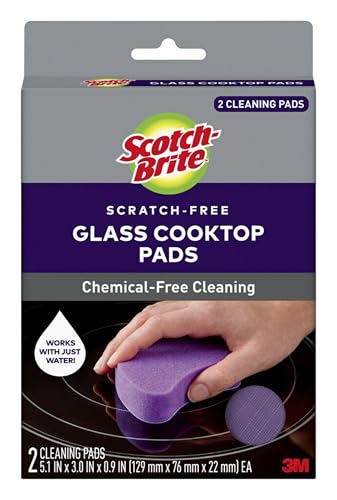
- ceramic glass stove top cleaner with non-abrasive microfiber pads
- non-scratch microfiber cleaning cloth set for glass cooktop
- cooktop cleaning kit for ceramic glass with non-abrasive scrub pads


Before You Start
Ensure the stove is completely cool before cleaning. Work in a well-ventilated area and remove any loose debris with a soft brush or dry cloth. Test cleaners on a small inconspicuous spot first to prevent potential dulling or staining. Read product labels for safety warnings and usage directions.
Estimated preparation and cleaning time: 15–25 minutes depending on residue. If you have heavy burnt-on messes, plan for extra time or multiple passes.
Step-By-Step: How To Clean A Ceramic Glass Stove Top
- Remove grates, coils, and any removable burner parts; set aside for separate cleaning if applicable.
- Wipe the surface with a dry microfiber cloth to remove loose crumbs and dust.
- Apply a small amount of ceramic glass stove top cleaner; avoid over-saturating to prevent liquid seeping into edges.
- Use a non-abrasive scrub pad or sponge and work in gentle circular motions over stained areas.
- Let the cleaner sit for a minute or two on stubborn spots, then continue circling to lift grime.
- Wipe away residue with a damp microfiber cloth; rinse and repeat as needed until clear.
- Dry the surface with a clean, dry microfiber cloth to prevent streaks and water spots.
- Reattach burner components and ensure everything is dry before turning the stove back on.
- For persistent deposits, repeat steps with a slightly stronger but non-abrasive cleaner designed for ceramic glass.
- A final wipe with a spotless microfiber cloth will leave a gloss-free, scratch-free finish.
- Schedule regular maintenance cleanings to prevent buildup and maintain a pristine surface.
- Store cleaning supplies out of reach of children and pets when not in use.
Troubleshooting
| Symptom | Likely Cause | Fix | Prevention |
|---|---|---|---|
| Hazy or streaky surface | Residue left from cleaner | Wipe with a damp cloth, then dry with a fresh microfiber | Use a small amount of cleaner and wipe thoroughly |
| Scratches appear after cleaning | Using abrasive pads or metal tools | Switch to non-abrasive pads and microfiber | Avoid steel wool and harsh powders |
| Discoloration around edges | Cleaner seepage or heat exposure | Rinse and dry; use edge-safe products | Keep cleaners away from heated edges and seals |
| Stubborn burnt-on spots persist | Heavy residue not fully softened | Apply cleaner, let sit longer, then scrub gently | Clean after cooking to prevent buildup |
Common Mistakes
- Using abrasive pads, steel wool, or metal scrapers on the ceramic surface
- Applying too much cleaner that pools at edges
- Ignoring surface cool-down time and cleaning while warm
- Assuming all glass cleaners are safe for ceramic glass; check labels
Tips For Best Results
- Select a cleaner specifically formulated for ceramic glass surfaces to minimize scratching
- Always test new products in a small, inconspicuous area first
- Keep cleaning tools dedicated to the stove top to avoid cross-contamination with other surfaces
- Use a light touch—let the product do the work rather than vigorous scrubbing
- Regular maintenance cleans after each use prevent heavy buildup
Call A Professional
Consider contacting a professional if you notice deep gouges, cracks, or if the surface shows signs of heat damage that cannot be addressed with routine cleaning. Seek expert help when cleaning products cause discoloration, or if you are unsure about product compatibility with your stove top’s finish.
FAQ
Can I use vinegar or baking soda on a ceramic glass stove top?
Vinegar is generally safe in small amounts, but avoid acidic overuse that can dull the surface; baking soda is gentle if used with a non-abrasive pad and rinsed thoroughly.
How often should I clean my ceramic glass stove top?
Wipe daily to remove splatters; a deeper clean weekly or after heavy cooking helps prevent stubborn buildup.
What should I do about streaks after cleaning?
Buff with a clean, dry microfiber cloth until streak-free; ensure the surface is dry before checking for any remaining marks.
Is it safe to use a scraper on a ceramic glass stove top?
No. Metal scrapers can scratch and dull the surface. Use non-abrasive tools and dedicated cleaning products instead.
Buying Guide
Choosing the right cleaning setup for a ceramic glass stove top depends on several factors. Look for cleaner formulas labeled safe for ceramic glass and components that include non-abrasive microfiber pads or cloths. Consider a complete cooktop cleaning kit that pairs non-abrasive scrub pads with soft microfiber tools for a balanced approach.
Size and layout: Ensure the kit covers your stove top area, including around edges and knobs. Noise level is rarely an issue, but consider manual ease of use and the feel of pads against the glass.
Energy efficiency and placement: Cleaning products do not affect energy use, but a well-maintained surface reflects heat evenly, which helps performance. Store cleaners in a cool, dry place away from direct sunlight.
Controls and usability: Choose simple, direct cleaners with clear instructions. If you own a heavy-burn feature or specialty cooktop, verify compatibility with its finish and coatings.
Maintenance vs. specialty needs: For casual cooks, a basic ceramic glass cleanser and microfiber set is sufficient. For frequent bakers or high-traffic kitchens, a dedicated cooktop cleaning kit with non-abrasive scrub pads can save time and protect the surface.
Placement and accessibility: Keep supplies on a nearby shelf or cabinet within reach of the kitchen work zone. A tidy setup encourages frequent cleaning and helps maintain the stove top’s shine.
Leave a Reply