How to Clean Grease Off Pavers
Grease stains on outdoor pavers can be stubborn, but with the right products and a systematic approach, you can restore the appearance of driveways, patios, and walkways. This guide focuses on safe, effective methods that work on common paver materials while protecting surrounding landscaping.
p>Grease can seep into porous surfaces, so treating stains early improves results. The plan combines degreasers, mechanical agitation, and thorough rinsing to lift and wash away oil residues without harming the pavers or nearby plants.
Quick Answer
Apply a paver-safe degreaser, scrub with a stiff nylon deck brush, let it sit briefly, then rinse with a pressure washer or hose. For heavy stains, repeat or use additional cleaner and a stronger rinse. Always test a small area first.
What You’ll Need
- paver degreaser concrete cleaner 32 oz spray
- pressure washer soap for grease on concrete pavers
- stiff nylon deck brush for concrete pavers cleaning
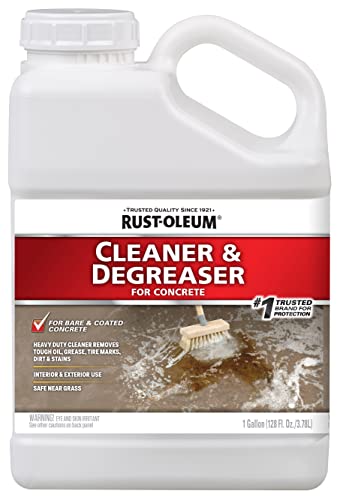
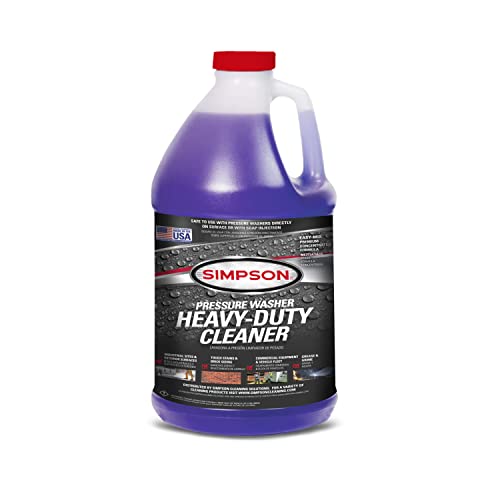

Before You Start
Clear the area of debris and cover nearby plants if possible. Protect neighboring grass, shrubs, and delicate landscaping with a plastic sheet or barrier. Wear gloves and eye protection during chemical application. Time estimates: 30–90 minutes for light stains, 2–4 hours for heavier soiling, including drying time.
Safety note: never mix cleaners with muriatic acid or other incompatible chemicals. Always follow the product label instructions for dilution and contact time.
Step-By-Step: How To Clean Grease Off Pavers
- Inspect the stained area to determine stain depth and contact time. Light stains respond quickly, while older, absorbed grease may require more effort.
- Water the surrounding area lightly to reduce dust and prepare for cleaning. This also helps control cleaner spread during brushing.
- Apply the paver degreaser concrete cleaner 32 oz spray directly to the grease spot. Follow the label’s recommended coverage and avoid oversaturation.
- Let the cleaner sit for 5–10 minutes to penetrate the grease. Do not allow it to dry completely, which can reduce effectiveness.
- Scrub the stained area with the stiff nylon deck brush for concrete pavers cleaning using firm, even strokes. Focus on the stain edges to prevent spreading.
- Rinse with a garden hose or a pressure washer on a moderate setting. If using a pressure washer, keep the nozzle at a safe distance to avoid gouging the surface.
- For stubborn spots, reapply cleaner and repeat the scrubbing and rinsing cycle. Repeat once if necessary, but avoid over-wetting the area.
- Allow the pavers to dry completely. If any residual staining remains, consider a second treatment or a dedicated concrete cleaner designed for oil stains.
- Inspect the cleaned area and reseal if you routinely treat grease to maintain stain resistance and color uniformity.
- Dispose of any rags or disposable coverings according to local guidelines, and clean tools promptly to prevent residue buildup.
- Optionally, apply a preventive sealant after the surface is fully dry to reduce future grease penetration.
Troubleshooting
| Symptom | Likely Cause | Fix | Prevention |
|---|---|---|---|
| Grease remains after first pass | Stain deeper than surface | Reapply cleaner and scrub again; allow longer dwell time | Treat stains promptly; perform a second pass if needed |
| Discoloration or efflorescence | Residual cleaner residue or mineral deposits | Rinse thoroughly; use a neutral cleaner if needed | Rinse completely after cleaning |
| Surface roughness after cleaning | Over-scrubbing or high-pressure settings | Use lower pressure and gentler strokes; re-check brush wear | Test on a hidden area first |
| Plants show burn marks | Cleaner contact with foliage | Rinse plants with water; avoid spraying cleaners | Use barriers and targeted application |
Common Mistakes
- Using aggressive acids on decorative or soft pavers
- Letting cleaner dry on the surface before scrubbing
- Skipping a test area, leading to unexpected discoloration
- Rushing to power wash at high pressure, which can damage joints
Taking time to test and rinse thoroughly reduces the risk of damage and improves long-term results.
Tips For Best Results
- Choose a degreaser labeled safe for concrete and pavers; avoid metal brushes that can scratch surfaces.
- Avoid cleaning on very hot days, which can cause cleaners to dry too quickly and reduce effectiveness.
- For large areas, work in 3–4 square foot sections to maintain dwell time consistency.
- Consider a rain-free window after treatment to keep the cleaner from washing away prematurely.
Call A Professional
Seek professional help if stains cover a large area, if efflorescence accompanies grease, or if pavers are pitted or severely stained. Stop signs include widespread staining, cracking joints, or surfaces that remain slippery after cleaning. A pro can recommend deeper stain removal methods and sealant options that balance durability with aesthetics.
FAQ
Can I use dish soap to clean grease off pavers?
Dish soap is not as effective for oil-based stains on porous pavers. Use a dedicated paver degreaser or concrete cleaner for best results.
Will pressure washing damage my pavers?
Low to moderate pressure is generally safe, but excessive pressure can erode joints and scratch surfaces. Start with a gentler setting and adjust as needed.
How long should I wait before resealing after cleaning?
Allow the pavers to dry completely, typically 24–48 hours, before applying any sealant.
Is it okay to mix cleaners?
No. Mixing cleaners can produce dangerous fumes or neutralization reactions. Always follow label directions and keep cleaners separate.
What if stains come back after rain?
Reapply cleaner and consider applying a sealant to reduce future oil absorption and ease of cleaning.
Do I need protective gear?
Yes. Wear gloves and eye protection, and consider a mask if using strong cleaners or working in enclosed spaces.
Can I use a stiff brush on all paver types?
Stiff nylon brushes are safe for most concrete pavers but avoid metal brushes on softer stone to prevent scratching.
Buying Guide
Choosing the right cleaning approach for grease on pavers depends on several factors. Size matters for coverage efficiency; larger areas may benefit from a powered cleaner with a compatible soap. Noise level can influence where work happens, especially near neighbors. Energy efficiency is less about power draw and more about the efficiency of cleaners to reduce dwell time and rework. Consider how you’ll apply products: spray bottles vs. concentrates require different dilution steps. Placement matters too; avoid spray zones near plants that could be harmed by cleaners. For a balanced choice, look for a degreaser labeled safe for concrete and pavers, compatible with your pressure washer, and formulated to remove oil without leaving residue. Compare products by ease of use, dwell time, and how well they work on household grease versus automotive oils. A simple, practical setup often includes a dedicated paver degreaser, a stiff bristle brush, and a suitable pressure washer soap designed for grease. If you frequently maintain outdoor surfaces, a mild, repeatable system with clear instructions yields consistent results and better long-term appearance.
Leave a Reply