How to Clean Green Jewelry Safely and Effectively
Green jewelry, whether featuring emeralds, peridots, or green agates, benefits from gentle, staged cleaning to preserve color and luster. The right tools and careful technique can restore sparkle without risking surface scratches or chemical damage.
This guide explains practical methods for cleaning green jewelry at home, including when to use specialized equipment and when to avoid certain cleaners. With clear steps and safety tips, collectors and casual wearers alike can maintain their pieces with confidence.
Quick Answer
Best starting method: use a mild jewelry cleaning solution and a soft brush for routine cleaning. For deeper cleaning of stubborn grime on green stones, an ultrasonic jewelry cleaner set at a low frequency can be effective, paired with the proper cleaning solution. Always test on a small area first and avoid harsh chemicals on porous stones.
What You’ll Need
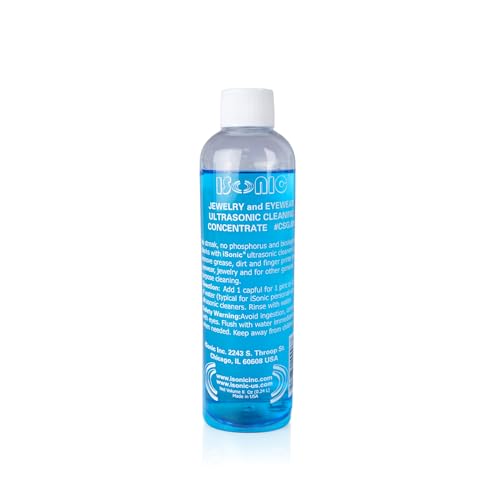
- Ultrasonic jewelry cleaner 42kHz with cleaning solution
- Jewelry cleaning solution emerald safe non acidic
- Microfiber polishing cloth jewelry cleaning green gemstone

Before You Start
Inspect pieces for loose settings and vulnerable facets. Work in a well-lit area and remove jewelry before sleeping or applying cosmetics. For emeralds or other delicate greens, avoid high heat and strong acids that can damage the stone or metal. Always follow manufacturer instructions for any cleaning product or device.
Time estimates vary: simple wipe-downs take a few minutes, while ultrasonic cleaning sessions range from 3 to 10 minutes per cycle. If stones show oiliness or dullness after cleaning, repeat with fresh solution or switch to a gentler method.
Step-By-Step: How To Clean Green Jewelry
- Prepare a clean, shallow bowl with lukewarm water and a small amount of the emerald-safe non-acidic cleaning solution.
- Place the jewelry in the solution and let it soak for 5–10 minutes to loosen surface grime.
- Gently agitate the water with your finger or a soft brush to dislodge dirt, focusing on prongs and under settings.
- Rinse under cool running water, ensuring all soap residue is removed to prevent film formation on the stones.
- Pat dry with a soft microfiber cloth, then inspect for any remaining smudges or grime.
- If using an ultrasonic cleaner, place the piece in the cleaner with the 42kHz setting, using a short cycle (2–4 minutes) and the emerald-safe solution.
- Remove and rinse again under cool water, avoiding prolonged exposure to cleaning fluid on porous stones.
- Dry thoroughly with a clean microfiber cloth. For a final shine, buff gently in one direction.
- For intricate pieces, repeat the soak and brush steps on stubborn areas, then rinse completely.
- Store jewelry separately in a soft pouch or lined box to prevent scratching by harder gemstones or metal clasps.
- Regular maintenance: wipe after wears with a microfiber cloth to minimize oil buildup between deep cleanings.
Troubleshooting
| Symptom | Likely Cause | Fix | Prevention |
|---|---|---|---|
| Stones look dull after cleaning | Soap residue or oil | Rinse thoroughly and buff with microfiber | Rinse promptly after any cleaning |
| Green stones appear cloudy | Improper water temperature or aggressive cleaning | Switch to lukewarm water and milder cycle | Avoid heat and harsh chemicals |
| Prongs or clasps loosen | Previous wear or improper cleaning | Have a jeweler inspect and tighten | Gentle handling and regular checks |
| Color fading on porous stones | Acidic cleaners | Switch to emerald-safe non-acidic solution | Use recommended solutions only |
| Ultrasonic causes cracks | Fragile stones or loose settings | Stop using ultrasonic on such pieces | Consult a professional for ultrasonic use on delicate items |
Common Mistakes
- Using acidic or high-alkaline cleaners on emeralds or soft green gemstones
- Submerging jewelry with loose settings in water without securing the setting
- Relying solely on dry polishing without proper cleaning to remove oils
- Overexposing pieces to ultrasonic cleansing for extended cycles
- Rubbing hard with paper towels or rough cloths that scratch metal or stones
Tips For Best Results
- Test cleaner on a small, inconspicuous area first to monitor for any adverse reaction.
- Use a dedicated microfiber cloth to avoid lint and micro-scratches.
- Keep stones away from heat sources and direct sunlight during cleaning and drying.
- Establish a gentle routine: wipe, rinse, and buff after each wear to minimize deep cleaning frequency.
- For valued pieces, consult a professional if you notice loose settings, cracks, or color changes.
Call A Professional
When to seek help: suspicion of cracked or chipped stones, loose or bent prongs, or any damage to metal settings. Stop using ultrasonic cleaning on pieces with fractures or fragile materials. Seek a certified jeweler for repairs, appraisals, or professional cleaning to prevent further harm.
FAQ
Can I clean emeralds with a regular jewelry cleaner?
Yes, if the solution is emerald-safe and non-acidic, but avoid harsh chemicals and high heat.
Is ultrasonic cleaning safe for green gemstones?
It can be safe for many stones at low power, but avoid it for fragile or fractured pieces and always follow cleaning solution guidelines.
How often should I clean green jewelry?
Light cleaning after wear and a deeper clean every few months, depending on wear and exposure to oils or cosmetics.
What should I do if a stone looks dull after cleaning?
Re-clean with fresh solution, rinse thoroughly, and consider a professional evaluation if dullness persists.
Buying Guide
Key buying factors help determine the best cleaning approach and tools for green jewelry enthusiasts:
- Size and weight of the jewelry influence ease of cleaning and suitability for ultrasonic cleaners.
- Noise level and convenience of ultrasonic devices, especially for home use in shared spaces.
- Energy efficiency considerations when choosing powered cleaners and accessories.
- Controls include timer settings, frequency options, and safety features to prevent over-cleaning.
- Placement options for tanks or cleaning stations, ensuring safe storage away from heat and chemicals.
- Compatibility with emerald-safe non-acidic solutions and other gentle cleaners for a versatile toolkit.
When comparing products, consider whether the kit includes a dedicated cleaning solution, a safe ultrasonic frequency, and a soft cleaning brush. Look for compatibility with green gemstones and solid metal settings. Think about your routine: do you prefer quick wipe-downs or periodic ultrasonic cycles? A balanced kit that covers cleaning, polishing, and storage tends to offer the best long-term value.
Leave a Reply