How to Safely Dispose of Old Checkbooks
Disposing of old checkbooks properly protects your financial information from identity theft. This guide walks through practical steps to shred and recycle checkbooks while keeping your home and data secure. It also highlights useful shredding tools that fit American households and everyday compliance needs.
Quick Answer
Best results come from using a dedicated shredder designed for sensitive documents, followed by secure disposal of the shredded remnants. For checks and receipts, use a cross-cut or micro-cut shredder and ensure the shredder’s bin is emptied regularly. If you prefer fewer steps, opt for a pull-out bin shredder that simplifies cleanup.
What You’ll Need
- micro-cut paper shredder for sensitive documents 6-sheet
- cross-cut paper shredder for checks and receipts
- credit card and checkbook shredder with pull-out bin
- Compostable or sturdy disposal bags
- Personal safety gear (safety glasses, gloves)
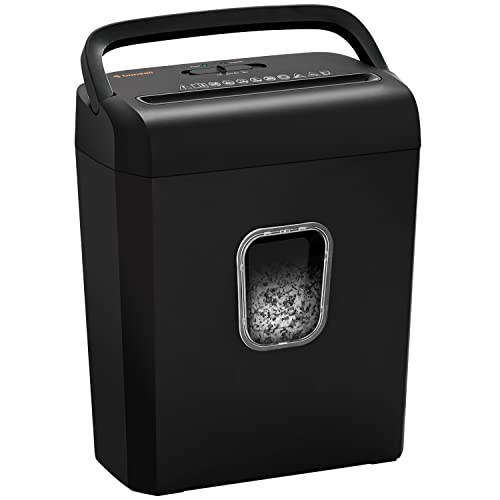


Before You Start
Confirm you are disposing of old checks and related banking materials that contain your full account and routing numbers. Clear a large, flat workspace free from clutter. Plan at least 30–60 minutes for a moderate set of checkbooks, more for older, larger collections. Never throw checks with account numbers into regular trash as they can be retrieved and misused. Keep children and pets away from shredding equipment, and follow the manufacturer’s safety instructions for the shredder you own.
Step-By-Step: How To Dispose Of Old Checkbooks
- Gather all old checkbooks, unused checks, and related documents such as check stubs and account statements.
- Sort materials by material type (paper, receipts, and non-paper items) to reduce clogging and jams in the shredder.
- Choose the appropriate shredder mode. For checks and sensitive documents, select a micro-cut or cross-cut setting to maximize security.
- Place items in the shredder feeder one at a time. Avoid overloading beyond the machine’s sheet limit to prevent jams.
- Shred checkbook pages, receipts, and any sensitive attachments in small batches for consistent results.
- Empty the shredder bin into a sturdy bag or lined container as needed, then replace the bin before continuing.
- When possible, separate non-paper components (like plastic checkbook covers) and recycle them according to local guidelines.
- Collect shredded material and store it securely until you can take it to a recycling facility or proper disposal site.
- Consider maintaining a quarterly habit: shred any outdated checks and receipts as part of routine financial hygiene.
- Wipe down the shredder’s exterior and nearby surface to remove ink smudges or paper dust.
- If you encounter persistent jams, power off the shredder, clear the blades, and restart at a slower pace.
- Dispose of the emptied shredder bin in accordance with local waste guidelines or recycle the shredded paper where accepted.
Troubleshooting
| Symptom | Likely Cause | Fix | Prevention |
|---|---|---|---|
| Shredder won’t start | Overheating or overloaded bin | Pause, let cool, then remove excess material | Shred in shorter batches |
| Frequent jams | Too many sheets or mixed media | Feed fewer sheets; remove non-paper items | Separate cards and labels before shredding |
| Blades stuck | Rigid staples or glue in receipts | Gently remove staples; avoid forcing | Pre-rip or pre-tear stubborn items |
| Bin overflow leaks | Full or poorly seated bin | Empty and reseat bin firmly | Regular maintenance schedule |
Common Mistakes
- Shredding documents with large metal fasteners or staples without removing them first
- Overloading the shredder beyond its sheet capacity
- Discarding shredded material with non-paper components still mixed in
- Relying on regular trash pickup for sensitive materials without shredding
Tips For Best Results
- Pre-sort and remove non-paper components to reduce jams and wear on blades
- Choose a shredder with a dedicated pull-out bin to simplify disposal work
- Set aside a specific time window for shredding to maintain a consistent routine
- Keep a spare bin liner and cleaning brush handy for quick maintenance
- Label the discarded material in a privacy-conscious way to track what has been shredded
Call A Professional
Shredders are generally safe for home use, but consider professional services if you’re dealing with large volumes, damaged checks, or receipts containing highly sensitive information. Stop and contact a local document destruction service if you notice persistent blade damage, unusual heat, or unusual smells from the device.
FAQ
Can I shred old checks in any paper shredder?
Use a model designed for checks or sensitive documents, preferably micro-cut or cross-cut, to reduce risk of information leakage.
What should I do with shredded check material?
Recycle shredded paper where accepted, or securely bag it for disposal according to local guidelines.
Is it safe to shred receipts at home?
Yes, but remove any plastic or metallic inserts first and use a shredder capable of handling mixed materials.
How often should I shred old checkbooks?
Regularly, such as quarterly, to minimize risk and keep records organized.
Buying Guide
The right shredder balances security, capacity, noise, and convenience for American homes. When choosing, consider the size of your checkbook collection, the level of security you need, and how you plan to dispose of shredded material. Look for models that clearly advertise cross-cut or micro-cut capabilities for maximum protection of sensitive data. Noise levels matter in shared living spaces, so consider a machine with quieter operation or a model that can be placed away from living areas. Energy efficiency and duty cycle influence ongoing costs and maintenance. A pull-out bin can simplify cleanup, while a pull-down feed helps keep work area tidy. For placement, pick a stable, dry spot with access to a nearby trash or recycling stream. If you regularly handle large volumes, a heavier-duty model with jam prevention and automatic reverse features can save time and reduce frustration.
If you’re unsure about your exact needs, start with a compact cross-cut or micro-cut shredder and assess how often you shred and how much material you are disposing of. Personal safety remains essential; always follow the manufacturer’s safety guidance and wear protective gear when operating shredders.
Leave a Reply