How to Get Rid of Ink Stains: A Practical Guide
Ink stains can threaten fabrics, upholstery, and everyday items. This guide offers practical, step-by-step methods tailored for common household fabrics and typical ink types. Following the recommended approaches can help you minimize damage while restoring appearance.
Quick Answer
Act quickly by blotting the stain to lift excess ink, then treat with a targeted stain remover. For best results, test on a hidden area first and repeat as needed. If the stain is set or delicate fabric is involved, move to a gentler method or consider professional help.
What You’ll Need
- ink stain remover pen for clothes
- enzyme laundry stain remover spray for ink
- microfiber stain removing cloth for ink stains

Before You Start
Identify the fabric type and check care labels. Work first on fresh stains, as older stains harden and bond with fibers. Prepare a clean, ventilated workspace and protect surfaces with a towel or plastic sheet. Never rub vigorously, which can push ink deeper. Allow solvents to dwell briefly as directed by product instructions. Estimate time: 5–30 minutes for initial treatment; up to 24 hours for complete stain fading in some cases.
Step-By-Step: How To Get Rid Of Ink Stains
- Blot excess ink with a clean cloth or paper towel, working from the outside toward the center to avoid spreading.
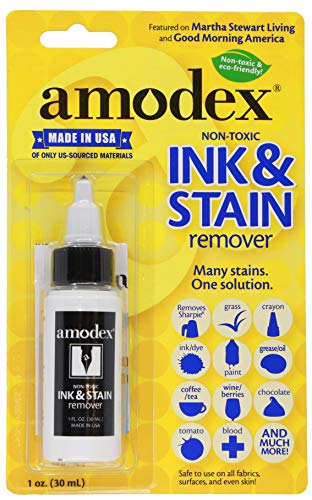
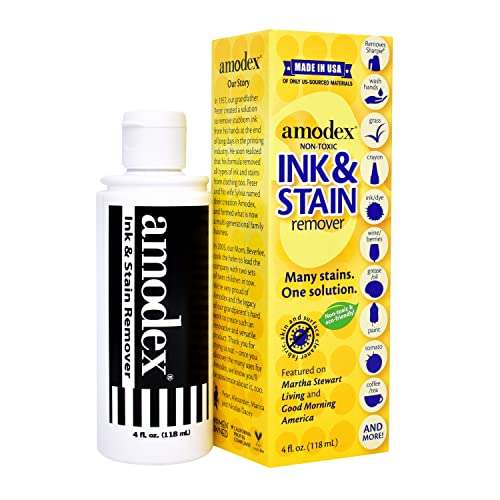
- Apply the ink stain remover pen for clothes directly to the stained area, covering it completely.
- Let the pen sit for the recommended dwell time on the packaging, then blot with a clean cloth to lift ink.
- Lightly mist enzymе laundry stain remover spray for ink over the treated spot, following the product directions for contact time.
- Gently dab with a microfiber stain removing cloth for ink stains to lift remaining residue; avoid scrubbing.
- Rinse the fabric under cold water from the back of the stain to push ink out of the fibers.
- Wash the item as usual using the appropriate cycle and water temperature for its fabric care label.
- Check the stain before drying. If any mark remains, repeat the treatment steps or switch to a different method before using heat.
Troubleshooting
| Symptom | Likely Cause | Fix | Prevention |
|---|---|---|---|
| Stain remains after first wash | Ink absorbed deeply or is set | Repeat targeted treatments with a different product | Treat promptly, avoid heat |
| Color bleeding on fabric | Overly aggressive agitation or inappropriate solvent | Switch to milder methods and test on hidden area | Follow care labels and test before full application |
| Discoloration on delicate fabrics | Harsh chemical exposure | Use gentle spot cleaners or seek professional help | Perform spot testing first |
| Ink transfers to other fabrics | Insufficient blotting or containment | Isolate stained item and blot thoroughly | Protect surrounding areas during treatment |
Common Mistakes
- Rubbing ink into the fabric, which makes stains harder to remove
- Using hot water on an ink stain before testing compatibility
- Assuming all fabrics tolerate the same solvent; some require gentler methods
- Skipping a patch test on an inconspicuous area
- Letting enzymes or cleaners sit too long on certain fibers
Tips For Best Results
- Always blot rather than rub when handling wet ink stains
- Work from the outside of the stain toward the center to prevent spreading
- Prefer cold water rinses, as heat can set some ink types
- Use a dedicated stain remover pen for quick at-home spot treatment
- For delicate fabrics, test every product on a hidden area first
- If the stain persists after multiple attempts, consider professional cleaning
Call A Professional
Seek professional help when the stain involves delicate fabrics (silk, wool, leather), large area coverage, or persistent discoloration after multiple at-home attempts. Signs to stop at home include fabric fraying, dyes running excessively, or instructions on care labels advising professional cleaning.
FAQ
Can ink stains be removed completely?
Most ink stains can be significantly reduced or removed with prompt treatment and appropriate products, but some inks and fabrics may leave a faint shadow.
Is cold water always best for ink stains?
Cold water is generally safer for many inks, as heat can set some dye-based stains.
Should I use heat after washing?
Avoid heat until you are certain the stain is gone, as heat can set residual ink.
What if I don’t have the specific stain remover?
Alternative options include enzyme cleaners or dishwashing liquid diluted with water; test on a hidden area first.
Buying Guide
When choosing ink stain removal products, consider size, application method, and fabric compatibility. Below are key buying factors to compare.
- Size and coverage: For frequent stain exposure, a pen for clothes offers quick spot treatment, while sprays cover larger areas.
- Impact on fabrics: Some formulas are formulated for cotton, synthetics, or delicate fabrics; always check the label.
- Ease of use: Pen applicators allow precise targeting; sprays provide broader reach but may require more drying time.
- Drying and dwell time: Shorter dwell times are convenient, but longer dwell times may improve effectiveness on set stains.
- Stain removal versatility: Look for products that handle ink from ballpoint, gel, and fountain pens, as well as printer ink if applicable.
- Safety and odor: Choose low-odor formulas and those with clear safety instructions, especially for households with children.
- Placement considerations: For fabric care, consider whether the product is suitable for clothing, upholstery, carpets, or a combination of surfaces.
- Storage and shelf life: Keep away from direct sunlight and ensure caps are secure to prevent evaporation or spills.
Would you like recommendations tailored to a specific fabric type (cotton, polyester, silk) or stain scenario (office ink, marker, printer ink)? Choosing the right product depends on your typical stain sources and item care needs.
Leave a Reply