How to Clean Stall Mats for a Cleaner Horse Barn
Keeping stall mats clean is essential for horse health, barn hygiene, and maintenance of overall stall integrity. Regular cleaning reduces odors, prevents bacterial buildup, and helps extend the life of rubber mats.
Quick Answer
For quick, effective cleaning: sweep or shake out loose debris, scrub with a rubber stall mat cleaning brush long-handled, rinse with a hose or pressure washer for rubber stall mats, and finish with a thorough dry. Use a horse stall mat scraper and squeegee to push dirty water toward a drain or outdoor area.
What You’ll Need
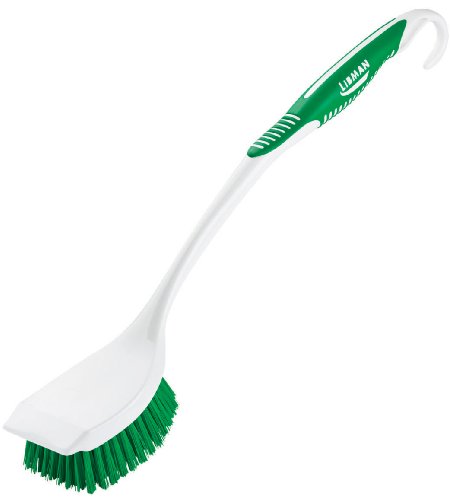
- Rubber stall mat cleaning brush long-handled for scrubbing
- Horse stall mat scraper and squeegee for removing standing water and stubborn grime
- Pressure washer for rubber stall mats to blast away stuck-on dirt
- Stiff-bristled brush and non-abrasive scrub pads
- Protective gloves and eye protection
- Hose or large water source with safe pressure


Before You Start
Plan a cleaning session when the stall is dry and the horse is away or secured. Protect nearby equipment and avoid mixing cleaning chemicals that could cause harmful fumes. Test a small area first to ensure the mat surface does not become slippery or dull. Allocate about 20–40 minutes per stall depending on size and dirt level.
Step-By-Step: How To Clean Stall Mats
- Remove all loose bedding and debris from the stall using a broom or shovel.
- Scrape the mat surface with the horse stall mat scraper and squeegee to lift embedded material toward the stall edge.
- Spray the mat with clear water to loosen dirt, focusing on corners and grooves.
- Use the rubber stall mat cleaning brush long-handled to scrub in circular motions, paying extra attention to textured areas.
- Rinse again with a hose or pressure washer for rubber stall mats, starting from the far end and moving toward the drain or exit.
- Re-scrub any stubborn spots and repeat the rinse until the water runs clear.
- Use the squeegee to push dirty water toward the stall doorway or a drainage area; allow mats to air dry completely before restocking bedding.
- Inspect mats for wear or cracks while they dry, and note areas that may need resealing or replacement.
- If odors persist, consider a mild, horse-safe cleaner approved for rubber mats and rinse thoroughly.
- Return bedding and reorganize the stall, ensuring mats are dry and secure before use.
- Record cleaning notes for routine maintenance and set a regular schedule based on stall use.
- Occasionally lift mats to clean the floor beneath and inspect the subfloor for moisture or damage.
Troubleshooting
| Symptom | Likely Cause | Fix | Prevention |
|---|---|---|---|
| Mat remains slippery | Residue or improper rinsing | Rinse thoroughly; use a second pass with a brush | Rinse immediately after scrubbing |
| Stubborn odor | Organic buildup | Use a mild cleaner approved for rubber mats and rinse | Clean weekly or after soiling events |
| Water pooling | Improper drainage | Re-seat mats to promote flow toward drain | Check floor slope and drainage path |
| Mat discoloration | Cleaning with harsh chemicals | Switch to gentler, rubber-safe cleaners | Spot-test cleaners first |
Common Mistakes
- Using aggressive brushes that damage the mat surface
- Over-wetting or never allowing mats to dry fully
- Mixing cleaners that create harmful fumes or residues
- Neglecting edges and grooves where dirt hides
Tips For Best Results
- Establish a consistent cleaning routine to prevent excessive buildup.
- Coordinate with feeding times to minimize horse movement during cleaning.
- Use a dedicated pressure washer setting appropriate for rubber mats; avoid excessive pressure that can lift edges.
- Place a durable mat under the stall door to catch exiting water and dirt on the way out.
- Inspect mats quarterly for wear and replace damaged sections promptly to maintain traction.
Call A Professional
Consider calling a professional if mats show deep cracking, edge separation, or persistent mold growth that resists routine cleaning. Seek expert help for significant subfloor moisture issues or stubborn odors that affect stall health.
FAQ
How often should stall mats be cleaned?
Most barns benefit from a thorough cleaning weekly, with spot cleaning daily as needed.
Can I use household cleaners on rubber stall mats?
Only if the cleaner is labeled safe for rubber and compatible with barn use; otherwise, use horse-safe products.
Is pressure washing safe for rubber stall mats?
Yes, using a low to moderate pressure setting helps remove grime without damaging the mat; avoid high pressure near edges.
What should I do about lingering odors?
Use a mild, horse-safe cleaner and ensure mats dry completely; air circulation in the stall helps reduce odor buildup.
Buying Guide: Choosing Stall Mats And Accessories
When selecting stall mats and cleaning accessories, consider size, material, and durability. Look for mats with textured surfaces for grip, good drainage channels, and a thickness that suits hoof traffic. Noise level is less of a concern indoors but choose anti-slip edges for safety. Energy efficiency is not a factor here, but durability matters for long-term cost savings. Controls are straightforward—manual cleaning tools vs. powered equipment like a pressure washer. Place mats to maximize airflow and drainage, ensuring water can exit the stall area efficiently. Compare the rubber stall mat cleaning brush long-handled, horse stall mat scraper and squeegee, and pressure washer for rubber stall mats by grip, reach, and ease of use to cover different stall sizes. A practical setup includes a long-handled brush for reach, a scraper with a squeegee to manage water, and a pressure washer with adjustable nozzle for tough grime. Consider kit bundles that combine these tools with replacement scrapers and stiff brushes for a complete cleaning routine.
Leave a Reply