How to Clean a Goldfish Bowl: A Simple Step-by-Step Guide
Goldfish bowls require regular maintenance to keep water quality and clarity high. With a few practical tools and a steady routine, keeping a small goldfish healthy becomes straightforward. This guide walks through a safe cleaning process, recommended tools, and common pitfalls to avoid.
Proper cleaning helps prevent waste buildup, odor, and stress for the fish. The steps below are designed for small, curved glass bowls and similar setups. Always handle the bowl gently and avoid drastic temperature changes during cleaning.
Quick Answer
Essential quick steps: remove the fish temporarily if needed, siphon debris with a gravel siphon, scrub algae with a magnet scraper for curved glass, perform a gentle water change using a siphon kit, then reintroduce the fish after water parameters stabilize.
What You’ll Need
- Gravel siphon aquarium cleaner for small goldfish bowls
- Algae scraper magnet for curved glass fish bowl
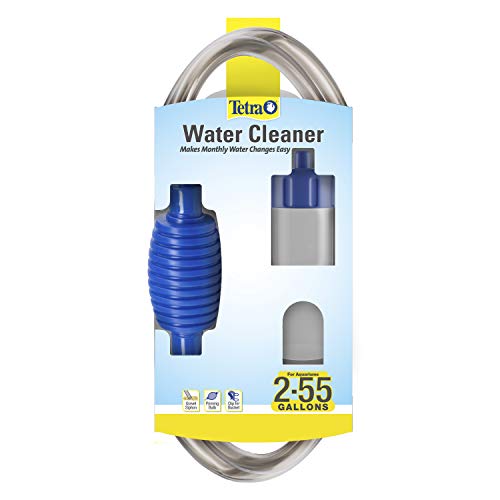
- Water changer siphon kit for freshwater aquarium cleaning
- Fresh, treated dechlorinated water
- Clean buckets or containers for water transfer
- Soft cloth or sponge for gentle wiping

Before You Start
Check water temperature and health of the fish before beginning. Have a plan to minimize stress, such as transferring the fish to a temporary container during deeper cleaning. Always dechlorinate tap water before adding it to the bowl, and avoid using soaps or detergents that can harm aquatic life. Estimate cleaning time to be about 20–40 minutes depending on bowl size and algae buildup.
Step-By-Step: How To Clean A Goldfish Bowl
- Lay out all tools and prepare a cleaned workstation. Fill a bucket with treated water at a comfortable temperature.
- Gently transfer the goldfish into a temporary container if necessary. Keep the fish in clean, aerated water during the process.
- Remove visible debris from the surface with a soft cloth or net. This reduces floating waste before deeper cleaning.
- Use the gravel siphon aquarium cleaner for small goldfish bowls to vacuum the substrate. Move the siphon slowly to collect waste without disturbing the fish.
- Wipe the bowl interior with the algae scraper magnet for curved glass fish bowl to remove algae films. Use gentle, circular motions to avoid scratches.
- Place the siphon hose into the bowl to start a gentle water change. Aim to replace 20–40% of the water, depending on buildup and parameter checks.
- While water is draining, prepare fresh water and slowly add it back into the bowl. Maintain a stable temperature to prevent shock to the fish.
- Recheck water temperature, then reintroduce the fish if it was temporarily absent. Observe for normal swimming and behavior post-cleaning.
- Test basic water parameters (ammonia, nitrite, nitrate, and pH) if you have test strips. Address any imbalances with partial water changes.
- Clean and rinse all tools before storing. Ensure the bowl is dry before reassembling skim-free equipment.
- Close the cleaning session with a quick check of routine maintenance schedule and upcoming cleaning day.
Troubleshooting
| Symptom | Likely Cause | Fix | Prevention |
|---|---|---|---|
| Cloudy water after cleaning | Remnants from siphon or un-dechlorinated water | Replace with fresh, treated water and run a small additional water change | Rinse siphon and bowls thoroughly; always treat new water |
| Persistent algae growth | Overlighting or excess nutrients | Adjust light exposure and reduce feeding; add algae-control steps | Schedule consistent light cycles and monitor feeding amounts |
| Fish shows stress after cleaning | Water parameter swings or temperature shock | Slowly acclimate fish back to bowl water; ensure temperature match | Use a thermometer and preconditioned water for changes |
| Substrate not fully cleared | Deep layer of debris or clogged siphon | Gently repeat suction in problem areas | Perform more frequent but smaller cleanings |
Common Mistakes
- Using large water changes too quickly—stressful for fish.
- Over-cleaning the bowl, removing beneficial biofilm excessively.
- Using soaps, detergents, or chemical cleaners inside the bowl.
- Ignoring water temperature and dechlorination steps.
Tips For Best Results
- Establish a regular weekly or biweekly cleaning cadence based on fish activity and bowl size.
- Keep a dedicated set of tools for aquarium use to avoid cross-contamination.
- Always condition tap water to remove chlorine and chloramines before adding it back.
- Monitor feeding to reduce waste and maintain water clarity between cleanings.
Call A Professional
Consider expert help if you notice persistent cloudy water, unusual fish behavior, or persistent algae despite routine cleaning. Seek a veterinarian or experienced aquarist if you suspect disease, persistent bacteria blooms, or plumbing issues with larger setups.
FAQ
How often should I clean a goldfish bowl?
Frequency depends on bowl size, fish number, and feeding. A small bowl often benefits from a weekly light cleaning and a partial water change every 1–2 weeks.
Can I clean the bowl while the fish is in it?
It is safer to move the fish temporarily during deep cleaning to reduce stress and allow thorough substrate cleaning.
Why is dechlorinated water important?
Chlorine and chloramines are harmful to fish; dechlorination restores safe water conditions for the fish.
What should I do if the water is still cloudy after cleaning?
Check filtration and feeding; perform a small extra water change with treated water and ensure proper temperature and aeration.
Is it okay to use tap water directly for changes?
No. Always treat tap water to remove chlorine and chloramines before introducing it to the bowl.
What if algae keeps returning quickly?
Review lighting duration and nutrient input; consider gradual algae control strategies and consistent maintenance.
Should I use a filter with a goldfish bowl?
Small bowls typically rely on water changes rather than filtration; if using a filter, ensure it is suitable for a small volume and gentle enough for a goldfish.
Buying Guide
When choosing cleaning tools and accessories for a goldfish bowl, consider size, practicality, and ease of use. Questions to ask include: Will the tools fit the bowl’s curvature? Is the tool gentle enough for delicate glass? How easy is it to perform a partial water change regularly?
Key buying factors include size and compatibility with curved glass bowls, noise level if equipment is near a living space, energy efficiency for any powered devices, and control versatility for gradual water changes. Placement matters too: store tools in a reachable spot near the tank, and keep treated water in a dedicated container to simplify routine maintenance.
For comparison, evaluate the included tools: a gravel siphon cleaner helps with substrate waste removal, an algae scraper magnet handles algae on curved surfaces, and a water changer siphon kit streamlines water replacements. Look for durable materials, comfortable grips, and straightforward assembly to ensure long-term use and consistent maintenance.
Ultimately, a simple, reliable setup with the right combination of tools makes routine cleaning quicker and reduces stress for the goldfish. Consider pairing practical, purpose-built tools with a predictable maintenance schedule to maintain a clear, healthy bowl environment.
Leave a Reply