How to Get Rid of Sebaceous Filaments on Chin
Sebaceous filaments are a normal part of skin anatomy, often appearing as tiny, grayish or yellowish lines on the chin. While they cannot be permanently removed, their appearance can be minimized with a consistent, safe routine. This guide focuses on practical, at-home strategies that American users can apply using commonly available tools and methods.
Understanding how to approach sebaceous filaments safely helps reduce irritation and prevents over-extraction. The goal is to keep pores clean and prevent buildup, rather than aggressively squeezing or picking, which can worsen the issue and cause scarring.
Quick Answer
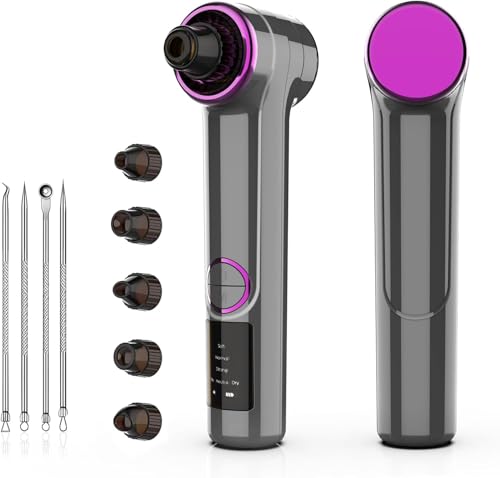
To reduce the look of sebaceous filaments on the chin, start with gentle cleansing and exfoliation, then use non-invasive tools in moderation. A stainless steel comedone extractor kit can target clogged pores with care, a pore vacuum suction device helps lift debris, and a facial pore cleansing brush supports daily maintenance. Always follow manufacturer instructions and avoid applying excessive pressure.
What You’ll Need
- Stainless steel comedone extractor kit for facial pores and sebaceous filaments
- Pore vacuum suction device for clogged pores chin
- Facial pore cleansing brush with adjustable bristles for sebaceous filaments


Before You Start
Prepare a clean, well-lit space and wash the face with a gentle cleanser to remove surface oil. Use warm water or a warm towel to soften the skin before any extraction or suction. Test tools on a small patch of skin to ensure there is no adverse reaction. Do not use aggressive force or attempts to extract sand-like material from the skin, which can cause irritation or scarring. Plan for a short routine if you have sensitive skin.
Step-By-Step: How To Naturalize Sebaceous Filaments On Chin
- Start with a steamed facial lift: Apply a warm, damp towel to the chin for 2–3 minutes to soften the pores.
- Cleanse thoroughly: Use a gentle cleanser to remove surface oil and makeup, then rinse with lukewarm water.
- Prepare tools: Sanitize the stainless steel comedone extractor and brush handles with alcohol wipes; ensure the brush bristles are clean and dry.
- Use the cleansing brush: Lightly brush the chin with adjustable bristles to exfoliate dead skin and lift debris from pores.
- Target with the extractor: If a clearly visible whitehead-like plug is present, gently place the loop over the pore and apply a light, even pressure to extract. Stop if you encounter resistance or pain.
- Follow with suction: Switch to the pore vacuum suction device and use a low setting to draw out loosened material from the pores on the chin. Move slowly in small circles.
- Rinse and soothe: Rinse the face with cool water to close the pores, then apply a soothing toner or serum containing niacinamide or saline.
- Moisturize and protect: Apply a non-comedogenic moisturizer and, if outdoors, broad-spectrum sunscreen to prevent further irritation.
- Maintain consistency: Repeat 1–2 times per week, avoiding daily aggressive use to prevent over-drying.
- Evaluate progress: If bumps persist or worsen, reassess the routine and consider professional advice.
Troubleshooting
| Symptom | Likely Cause | Fix | Prevention |
|---|---|---|---|
| Pores look clogged after use | Insufficient cleansing before treatment | Double-cleanse and use gentle exfoliation prior to tools | Maintain regular cleansing routine |
| Skin becomes red or irritated | Overuse or excessive pressure | Ease up on pressure; take longer breaks between sessions | Follow device guidelines and skin’s tolerance |
| Whiteheads recur quickly | Residual debris or oil buildup | Incorporate mild chemical exfoliant with barrier protection | Avoid over-exfoliation |
| 痂 or scab formation | Improper extraction technique | Discontinue extractions near scab areas | Seek professional advice to address stubborn areas |
Common Mistakes To Avoid
- Using sharp tools or excessive force to squeeze filaments
- Over-exfoliating or using too strong products on sensitive skin
- Neglecting to sanitize tools between uses
- Relying solely on one method; combining cleansing, exfoliation, and gentle extraction yields better results
Tips For Best Results
- Pair mechanical methods with hydration to prevent over-drying and irritation
- Choose non-comedogenic moisturizers and sun protection to support skin barrier health
- Avoid picking around the chin area when irritated or inflamed
- Keep routines simple and consistent for several weeks before assessing improvements
Call A Professional
Seek professional help if any of the following occur: persistent redness, swelling, severe acne, signs of infection, or if filaments do not clear with at-home methods. A licensed esthetician or dermatologist can perform professional extractions safely and recommend targeted treatments or prescription options as needed.
FAQ
What are sebaceous filaments on the chin?
Sebaceous filaments are natural parts of hair follicles, appearing as tiny lines or filled pores that can resemble small bumps on the chin.
Can I permanently remove sebaceous filaments?
No, they are a normal skin feature. You can reduce their visibility with proper skincare and gentle extraction techniques, but they tend to reappear as part of the skin’s biology.
How often should I treat sebaceous filaments at home?
Limit to 1–2 times per week for extractions and use gentle cleansers and exfoliants on other days to avoid irritation.
Which tools are safest for beginners?
A stainless steel comedone extractor kit and a gentle pore cleansing brush are safer options when used correctly; follow manufacturer instructions and avoid aggressive pressure.
Are there ingredients that help reduce visible filaments?
Niacinamide, salicylic acid in low concentrations, and gentle retinoids can help normalize oil production and refine pores over time, but start slowly and monitor skin response.
Is a pore vacuum device effective for all skin types?
Effectiveness varies; those with sensitive or inflamed skin should use on low settings and consider professional guidance if unsure.
Buying Guide
When selecting tools to manage sebaceous filaments on the chin, consider size and ergonomics, noise level, energy efficiency, control complexity, and placement within a skincare routine. For home use, a study-friendly setup might include a stainless steel comedone extractor kit for precision, a pore vacuum suction device for controlled debris removal, and a facial pore cleansing brush with adjustable bristles to tailor exfoliation to skin sensitivity. Look for non-slip handles, easy cleaning, and clear safety instructions. Evaluate how each tool complements your existing products, and ensure you can integrate them into a gentle weekly plan without compromising the skin barrier. If you’re unsure, start with one tool and expand as you become comfortable with handling and technique.
Leave a Reply