How to Get Rid of Stinky Farts Naturally and Effectively
Foul kitchen or gym farts can be embarrassing, but most odors are manageable with simple, practical steps. This guide explains practical methods to minimize, neutralize, and control odor at home using common-sense approaches and accessible products.
The goal is to reduce odor at the source and in the surrounding air, improving comfort and freshness in shared spaces. Readers will discover quick actions, safe products, and when to seek professional help if odors persist or indicate a deeper issue.
Quick Answer
Air out the area, use absorbent deodorizers, and introduce odor-neutralizing products. Improve digestion-friendly habits and monitor diet where appropriate. For immediate relief, personal and room odor control tools can make a noticeable difference within minutes to hours.
What You’ll Need
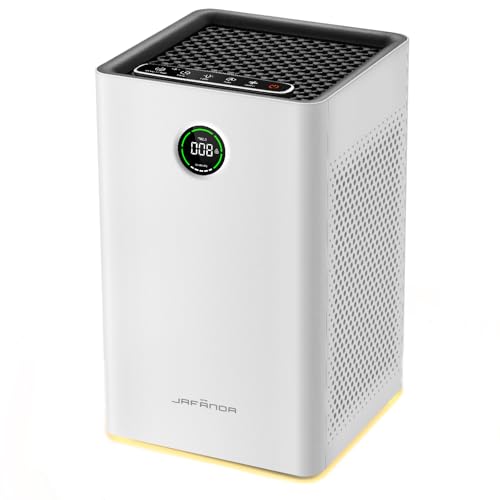
- Activated charcoal air purifier for odor removal carbon filter small room
- Charcoal odor absorber bags deodorizer for bathroom cabinets
- Odor eliminator spray for bathrooms baking soda citrus scent


Before You Start
Assess the space: bathrooms, kitchens, and living areas each require different strategies. Ensure proper ventilation where possible by using exhaust fans or opening windows during and after meals. Safety first—keep any chemical sprays away from children and pets, and avoid mixing different cleaning agents. Plan for a testing period of 24–72 hours to gauge effectiveness, and track which products deliver the best results for your space.
Step-By-Step: How To Get Rid Of Stinky Farts
- Ventilate the space: open doors/windows or run a fan to exchange indoor air with fresh air.
- Contain odors at the source: use the charcoal purifiers or odor absorber bags in the room or cabinet areas most affected.
- Apply a surface deodorizer: lightly mist the air with the odor eliminator spray for bathrooms with citrus notes—avoid overuse on fabrics near heat sources.
- Address moisture and odors: check for damp spots and clean any damp surfaces to prevent mold-related smells from contributing.
- Combine with daily habits: keep a regular bathroom cleaning schedule and wipe down surfaces that may trap odor-causing particles.
- Use dietary considerations when relevant: hydrate, balance fiber intake, and observe if specific foods consistently worsen odors.
- Schedule routine filtration: replace or refresh carbon filters on small room purifiers every few months as recommended by the manufacturer.
- Monitor progress: note which methods reduce odor most effectively and adjust placements or products accordingly.
- Limit strong scented products: while helpful, overpowering fragrances can mask issues; aim for neutralizing rather than masking odors.
- Maintain hygiene: regular handwashing and cleaning of bathroom areas reduces lingering odors after use.
- Test in different rooms: if odor persists in multiple spaces, consider portable options or additional absorbers to cover larger areas.
Troubleshooting
| Symptom | Likely Cause | Fix | Prevention |
|---|---|---|---|
| Odor lingers after ventilation | Insufficient air exchange or filter saturation | Increase airflow and replace purifiers’ carbon filters | Place purifiers in more active areas and run continuously during peak odor times |
| Strong odors near cabinets | Odor trapped in enclosed spaces | Use charcoal odor absorber bags and keep cabinet doors slightly ajar when safe | Regularly refresh absorbers and clean cabinet interiors |
| Spray fragrance only masks odor | Masking rather than neutralizing | Switch to odor eliminator formulations with baking soda and citrus | Combine masking products with absorbers for best results |
| All rooms smell even after cleaning | Widespread odor sources or ventilation issues | Move toward whole-space air purification and check HVAC/ventilation | Periodic professional HVAC checkups if odor persists |
Common Mistakes
- Relying solely on strong fragrances instead of neutralizing odors
- Overusing sprays that can irritate eyes or lungs in small spaces
- Ignoring moisture buildup and mold risks in bathrooms
- Failing to replace or refresh carbon-based filters on schedule
Tips For Best Results
- Place activated charcoal air purifiers near odor hotspots for faster absorption.
- Rotate different odor absorbers to prevent saturation in one area.
- Use baking soda-based odor eliminators for a natural scent option without harsh chemicals.
- Keep doors open during cleaning and after meals to speed up air exchange.
- Combine products: a purifier, odor absorber bags, and a light spray can achieve complementary effects.
Call A Professional
Call a professional if odors persist beyond practical home methods or if there are signs of plumbing issues, persistent mold growth, or unusual fumes. Seek medical advice if smells are accompanied by symptoms such as headaches, dizziness, or respiratory irritation.
FAQ
What causes stinky farts to be particularly strong indoors?
Diet, digestion, and inadequate ventilation are common factors; enclosed spaces can concentrate odors.
Can odor absorbers really help with bathroom smells?
Yes, charcoal and baking soda-based products neutralize odors rather than merely masking them.
How often should I replace carbon filters in small room purifiers?
Most manufacturers recommend every 3–6 months, depending on usage and odor load.
Are there safe options for households with pets and children?
Yes. Look for products labeled pet- and family-safe, and follow usage guidelines, especially around children and animals.
Buying Guide
When choosing odor-control products for stinky farts, consider size, noise, energy use, and placement. For small rooms, opt for compact activated charcoal air purifiers with low power draw and quiet operation. Place odor absorbers in strategic spots like under sinks, in cabinets, or near bathrooms to maximize exposure to incoming odors. A citrus-scented odor eliminator spray can be a quick fix for surface odors, but pair it with a long-term absorber to prevent repeated odor buildup. If noise is a concern, look for products with low decibel ratings or off-peak operation features. For homes with multiple rooms, consider a modular approach: a primary purifier for the main area and additional absorbers for secondary spaces. Finally, ensure easy replacement parts and clear maintenance instructions to sustain long-term odor control.
Leave a Reply