How to Clean Hermes Oran Sandals
The Hermes Oran sandals, known for their sleek lines and soft leather, deserve careful care to maintain their appearance and extend their life. This guide provides practical, user-friendly steps for cleaning and conditioning calfskin sandals while protecting their natural patina.
Following a proper routine helps prevent staining, cracking, and dulling of the leather. Read through the steps, gather the right tools, and proceed with gentle, deliberate motions to keep your Hermes Oran sandals looking their best.
Quick Answer
Gently remove loose debris, apply a leather cleaner with a soft brush, wipe with a microfiber cloth, condition with a calfskin-friendly spray, and seal with a protector. Avoid soaking the leather, and test any product on a hidden area first.
What You’ll Need
- Leather shoe cleaner kit with brush microfiber cloth
- Calfskin leather conditioner and protector spray for shoes
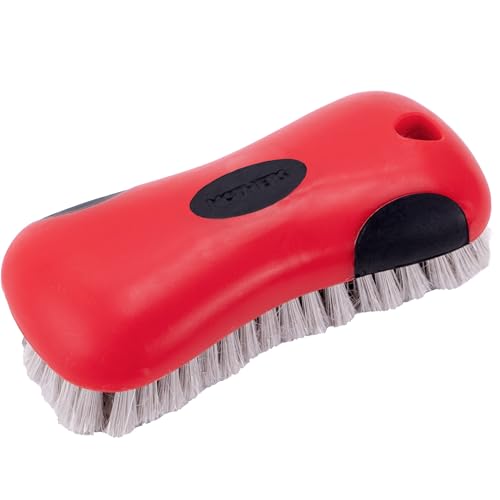
- Leather stain remover for sandals with soft bristle brush


Before You Start
Inspect the sandals for scuffs, loose stitching, or cracks. Work in a well-ventilated area and on a clean, flat surface. Always test cleaners on a hidden area before full application. Avoid saturating leather; excess moisture can damage tanning and flexibility. Time estimate: 20–40 minutes for a full cleaning and conditioning cycle.
Step-By-Step: How To Clean Hermes Oran Sandals
- Remove loose dirt with a soft cloth or dry brush, brushing lightly along the grain of the leather.
- Apply a small amount of leather cleaner to the brush or a microfiber cloth and work in circular motions on soiled areas.
- Wipe away cleaner with a clean, damp microfiber cloth. Avoid soaking the leather.
- Let the sandals air-dry away from direct heat or sunlight until completely dry.
- Apply a calfskin conditioner spray in a light, even coat. Hold at a distance recommended by the product and brush in gently.
- Allow the conditioner to absorb for a few minutes, then wipe any excess with a clean cloth.
- Use leather stain remover on any stubborn spots with the included soft bristle brush; work slowly and test first if possible.
- Recheck for uniform color and leather hydration; apply a second light coat if needed after drying.
- Apply a protector spray designed for calfskin to help resist future stains and moisture.
- Let the sandals dry completely before wearing; inspect for streaks and even finish.
- Store in a cool, dry place, away from direct sun to preserve color and flexibility.
- Regular maintenance: repeat cleaning every few weeks of wear and conditioning every 1–3 months depending on use.
Troubleshooting
| Symptom | Likely Cause | Fix | Prevention |
|---|---|---|---|
| White residue after cleaning | Over-application of cleaner | Wipe with a damp cloth, allow to dry, recondition lightly | Use minimal product; follow directions |
| Stiff leather | Drying too quickly or insufficient conditioning | Reapply conditioner and let absorb | Condition after cleaning; avoid heat |
| Discoloration or water spots | Uneven application or moisture exposure | Evenly reapply with light coats; dry away from sun | Test first; protect with conditioner and protector |
| Cracking near seams | Significant wear or aging | Consult a professional for repair options | Regular conditioning to prolong elasticity |
Common Mistakes
- Using harsh cleaners or soaking leather
- Over-wetting the sandals during cleaning
- Skipping conditioning after cleaning
- Direct sun or heat during drying
Tips For Best Results
- Test any product on an inconspicuous area first to gauge color reaction
- Apply products in light, even layers to avoid buildup
- Store sandals with cedar or acid-free tissue to help retain shape
- Regular upkeep slows patina change and keeps leather supple
Call A Professional
Seek professional help if you notice significant cracking, peeling, or stitching issues. Stop using any cleaner that causes discoloration or odor. If you’re unsure about stain removal on delicate patinas, a trusted cobbler or leather care specialist can provide tailored guidance.
FAQ
Can I use any leather cleaner on Hermes Oran sandals?
Use a cleaner designed for calfskin and test on a hidden area before full use.
How often should I condition Hermes Oran sandals?
Condition every 1–3 months depending on wear and climate.
Is it safe to use a water-based protector spray?
Yes, if it’s formulated for calfskin and applied sparingly in a well-ventilated area.
What should I do if color fades after cleaning?
Reapply conditioner and consider a color-restoring product recommended for calfskin.
Buying Guide
When choosing care products for Hermes Oran sandals, consider size and fit of the product labels, compatibility with calfskin, and ease of use. Look for neutral, non-residue formulas that don’t change the leather’s natural tone. Consider your climate; drier environments benefit from more frequent conditioning, while humid areas may require a robust protector. For busy lifestyles, select a kit that includes a brush, microfiber cloth, conditioner, and a spray protector for streamlined maintenance. Compare products by the clarity of instructions and the availability of test patches on hidden areas.
Leave a Reply