How to Get Rid of Gnats
Gnats, especially fungus gnats, can be a nuisance in homes and greenhouses. They drain plant soils, contaminate indoor spaces, and can be stubborn to remove. This practical guide combines proven methods with consumer-friendly products to help you control and eliminate gnats effectively.
The methods below emphasize prevention, rapid reduction of adult gnats, and interruption of the life cycle. Readers will find steps that suit kitchens, bathrooms, and plant areas alike, with quick actions you can start today.
Quick Answer
Use a combination of yellow sticky traps to intercept adults, an electric gnat trap indoor plug-in for continuous capture, and a biological control like mosquito dunks BTI fungus gnat control for the soil. Start with a thorough surface clean, reduce standing moisture, and monitor with traps until gnats decline.
What You’ll Need
- Electric gnat trap indoor plug-in
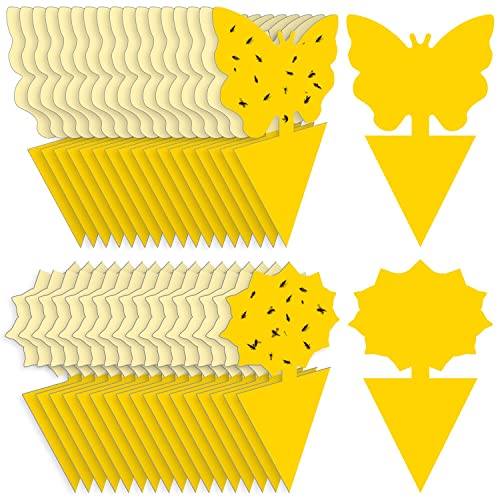
- Yellow sticky traps for fungus gnats
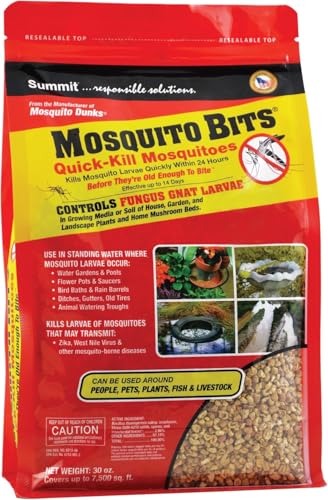
- Mosquito Dunks BTI fungus gnat control
- General cleaning supplies (vacuum, wipes, cleaning spray)
- Plant care tools (watering tray, saucers, potting soil if repotting)
- Optional fans or air movers to disrupt adult gnats

Before You Start
Gnats thrive when moisture is abundant and organic matter is available. Begin with a calm assessment of affected areas: kitchen waste areas, overwatered houseplants, and damp bathrooms. Establish a plan to reduce breeding sites while treating already infested zones. Safety note: follow product labels for any chemical or microbial controls and keep out of reach of children and pets. Time to reduce gnats typically spans several days to a few weeks depending on infestation and care practices.
Step-By-Step: How To Get Rid Of Gnats
- Identify hotspots where gnats are most active, particularly near potted plants and moist organic debris.
- Declutter the area by removing decaying leaves, excess damp soil, and standing water from trays and sinks.
- Empty and rinse plant saucers, allow soil to dry between waterings, and avoid overwatering plants to curb larvae habitat.
- Place yellow sticky traps around affected zones to attract and capture flying adults.
- Install the electric gnat trap indoor plug-in in rooms with consistent gnats activity for ongoing capture.
- Apply Mosquito Dunks BTI fungus gnat control to the soil of infested plants, following label directions for dosing and frequency.
- Lightly replace or top-dress potting soil if infestation persists and avoid using contaminated soil.
- Ventilate rooms with a small fan to disrupt flight paths and reduce adult gnats’ ability to navigate.
- Monitor progress with sticky traps, vacuums, or visual checks every 2–3 days, adjusting watering and traps as needed.
- When adult populations decline, continue preventive steps: consistent dry soil, regular trap checks, and selective soil treatment if needed.
- Reassess every 1–2 weeks and extend BTI applications only as directed to avoid disrupting beneficial organisms.
Troubleshooting
| Symptom | Likely Cause | Fix | Prevention |
|---|---|---|---|
| Gnats return after a week | Moist soil and decaying matter persist | Switch to drier soil, clean debris, resume traps | Water plants only when the top inch is dry |
| Few adults captured, but many larvae | Larvae in soil are thriving | Apply BTI fungus gnat control per label | Use well-draining soil and sanitize pots |
| Sticky traps get crowded fast | High adult population | Increase trap placement and add plug-in trap | Address moisture and feeding sources |
| Plants show slowed growth | Overwatering or root damage | Adjust watering schedule, repot if needed | Use light, well-draining soil mix |
Common Mistakes
- Overwatering plants, which creates ideal larval habitats
- Relying on a single control method instead of an integrated approach
- Ignoring wet areas outside plant pots, such as sinks and compost bins
- Using traps without regular maintenance or replacement
By avoiding these missteps, you’ll improve the odds of breaking the gnats’ life cycle and keeping them away longer.
Tips For Best Results
- Place yellow sticky traps near plant bases, windowsills, and sinks to catch adults at multiple entry points.
- Run the electric gnat trap indoor plug-in in the peak infestation zones for several weeks for continuous capture.
- Pair BTI applications with a routine soil-drying schedule to prevent larvae from developing.
- Label any soil amendments or potting mixes to avoid introducing pest-laden products.
- Keep kitchen and bathroom surfaces clean and free of organic waste that can support gnats.
Call A Professional
Consider professional help if you have a large-scale infestation, persistent gnats despite multiple controls, or if your plants or home environment involve sensitive species. Seek immediate assistance if you notice mold growth, extensive plant damage, or if family members report allergic reactions to gnats or related aerosols.
FAQ
What triggers a fungus gnat infestation indoors?
Overwatering, poor drainage, and decaying organic matter in pots or composted materials often trigger fungus gnats indoors.
Are yellow sticky traps effective for gnats?
Yes, they catch many adults and help monitor activity, acting as a quick, visible control measure.
Can BTI products harm plants?
BTI fungus gnat controls are generally safe for plants when used as directed, but always follow label instructions and avoid over-application.
How long does it take to see results?
Results vary, but you can expect noticeable reductions within 1–2 weeks with an integrated approach.
Should I repot infested plants?
Repotting can help if soil is heavily infested; use fresh, sterile potting mix and ensure proper drainage.
Is there a seasonal pattern to gnats?
Gnats often surge in warm, humid conditions and after rainy periods that increase indoor moisture or soil dampness.
What’s the best way to prevent re-infestation?
Consistent watering practices, regular cleaning, and ongoing use of traps or soil treatments help prevent re-infestation.
Buying Guide
When choosing products to combat gnats, consider size of the space, plant density, and moisture levels. A combination approach tends to work best: a reliable indoor plug-in trap for continuous capture, yellow sticky traps for quick monitoring and hook-in control, and a soil-targeted product like BTI fungus gnat control for worm and larva suppression. Look for multi-pack options to cover multiple rooms, easy-to-follow labels, and compatibility with houseplants. For larger areas or greenhouses, assess energy use and noise levels of any plug-in devices to minimize disruption. Placement matters: position traps where gnats congregate and near vulnerable plants to intercept adults before breeding. A balanced plan reduces both adult and larval populations while supporting plant health.
Leave a Reply