How to Clean Suede Stains Practically and Safely
Suede presents a luxurious look but requires careful cleaning to avoid permanent damage. This guide covers practical steps using common suede care products and household items to remove stains while preserving texture and color.
With the right approach, most stains can be lifted without professional help. The following sections walk through quick answers, tools, preparation, step-by-step methods, and troubleshooting to help American households keep their suede looking fresh.
Quick Answer
Identify the stain, brush the area lightly, apply a suede stain remover kit or suede cleaning spray, and gently blot. For tough marks, use a suede and nubuck brush and eraser set to lift residue. Always test in an inconspicuous area first and let the suede air-dry completely.
What You’ll Need
- Suede stain remover kit with brush and eraser
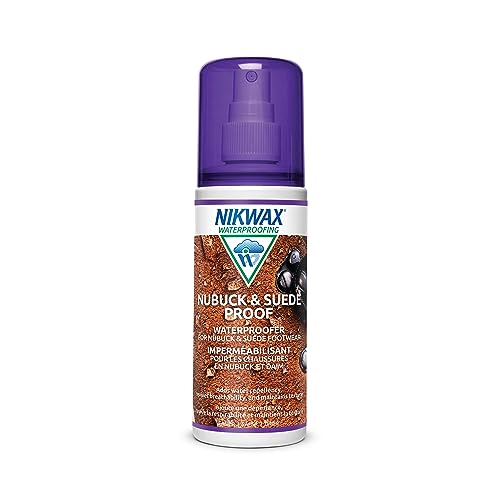
- Suede cleaning spray for stains
- Suede and nubuck brush and eraser set
- Soft cloth or microfiber cloth
- Water (distilled preferred for raw materials)
- White cloth or cotton swab for blotting


Before You Start
Prevent further damage by testing any cleaner on a hidden area of the suede. Use a gentle touch to avoid grinding dirt deeper into the nap. Work in a well-ventilated space and allow ample drying time between steps. Never apply heat to suede, as heat can set stains and warp the nap. For delicate or large areas, consider professional cleaning if color change or staining persists.
Time estimate: 20–60 minutes per stain, plus drying time. Always schedule additional drying time when working with multiple stains or porous leather-like materials.
Step-By-Step: How To Clean Suede Stains
- Identify the stain type (oil, water, dye, or mud) to tailor the approach and avoid spreading.
- Brush the affected area with a suede and nubuck brush to raise the nap and remove surface dust.
- For dry stains, use a suede eraser to lift particles gently, then brush again to restore texture.
- If using a suede stain remover kit, apply the product according to the label and work in small circular motions with the included brush.
- Blot excess moisture with a white cloth, pressing lightly to avoid rubbing the stain deeper into the nap.
- For oily stains, sprinkle a small amount of cornstarch or talcum powder after blotting, let sit 15–20 minutes, then brush away.
- Apply a suede cleaning spray for stains around the area if required, hold at the recommended distance, and wipe with a clean cloth after treatment.
- Let the suede dry completely in a well-ventilated area, away from direct heat or sunlight, then re-fluff with the brush to restore nap.
- Reassess: repeat steps as needed for stubborn marks, always testing on a hidden area first.
- Once fully clean, consider a light protective spray designed for suede to help prevent future staining.
Troubleshooting
| Symptom | Likely Cause | Fix | Prevention |
|---|---|---|---|
| Stain remains after cleaning | Stain deeply set or not compatible with cleaner | Repeat treatment with a different product; consider professional cleaning | Test cleaners first; treat promptly after staining |
| Nap looks dull after cleaning | Nap compressed during cleaning | Brush gently in one direction, then across for even texture | Avoid over-wetting; dry naturally |
| Color transfer to cloth | Bleed from the suede | Rinse area with minimal moisture and blot; air-dry | Use color-safe cleaners and test colorfastness |
| Stain reappears after drying | Residual moisture trapped under surface | Re-wipe with cleaner and allow longer drying time | Ensure thorough drying before wearing |
Common Mistakes
- Over-wetting suede or applying heat to dry quickly, which can warp the nap.
- Using rough brushes that damage the texture; always choose soft bristles for suede care.
- Rubbing vigorously, which spreads the stain and disturbs the nap.
- Neglecting to test cleaners on an inconspicuous area before full application.
Sticking to manufacturer-approved products and following step-by-step instructions reduces the risk of permanent staining or discoloration.
Tips For Best Results
- Always brush in the direction of the nap to maintain texture and appearance.
- Isolate the stained area to prevent cross-contamination with clean parts of the garment or item.
- Keep suede items away from moisture until fully dry; use a protective spray after cleaning if appropriate.
- Store suede goods in a cool, dry place and avoid stacking to prevent nap flattening.
Call A Professional
Consider professional help if the stain is large, deeply set, or if color loss is observed. Stop signs include fading color, stiff or misshapen areas, or repeated attempts failing to remove the stain. A professional cleaner with experience in suede and nubuck can assess fabric integrity and apply specialized methods to restore texture.
FAQ
Can I use regular laundry detergent on suede?
No. Regular detergents can be too harsh for suede fibers and may cause discoloration or stiffness. Use products designed for suede care or mild cleaners specified for delicate fabrics.
Is suede sensitive to water?
Yes. Suede can stain or lose its nap when water interacts with the surface. It’s best to use water sparingly and primarily rely on specialized suede cleaners.
How do I protect suede after cleaning?
Apply a suede-protective spray designed for nubuck and suede to help repel water and future stains. Reapply periodically according to product guidelines.
What if I don’t have a suede kit?
For minor stains, a suede cleaning spray and a soft brush can handle many marks. For tougher stains, a dedicated kit with a brush and eraser improves results.
Can I machine wash suede?
No. Suede should never be machine washed. Hand-cleaning methods and product-specific instructions are required to protect the nap.
How long does suede take to dry after cleaning?
Drying time varies with humidity and the amount of cleaner used, typically 6–24 hours. Avoid heat sources and direct sunlight during drying.
Buying Guide
Choosing the right products for suede stain management helps maintain color and texture over time. When evaluating cleaners, consider how often you clean suede and the types of stains you encounter. Important factors include:
- Size and scope: A compact kit with brush and eraser is suitable for exposure to occasional stains, while larger kits cover multiple stain types.
- Noise level and ease of use: Handheld brushes and sprays should be simple to operate without heavy noise or intense effort.
- Energy efficiency: Not a major concern for suede cleaners, but choosing water-based formulas minimizes waste and simplifies disposal.
- Controls: Look for clear application directions, including drying times and compatibility with nubuck and suede.
- Placement: Store cleaners in a cool, dry cabinet away from direct sunlight to prevent chemical degradation.
In practice, a combined approach using a suede stain remover kit with brush and eraser and a dedicated suede cleaning spray offers versatile coverage for most household stains. When choosing, prioritize products that are specifically labeled for suede and nubuck, and verify compatibility with your item’s color and finish. If in doubt, test products on an inconspicuous area first to confirm safe results.
Leave a Reply