How to Clean a Polyurethane Couch
Polyurethane couches offer a sturdy, plush seating option that’s relatively easy to maintain with the right approach. Cleaning a polyurethane couch involves gentle methods that lift dirt and stains without harming the finish. This guide lays out a practical, step-by-step routine that American households can follow to keep a polyurethane sofa looking fresh and comfortable.
Quick Answer
Spot clean spills immediately with a mild soap solution, then dry. For deeper cleaning, use a microfiber upholstery cleaning kit for polyurethane sofa or a portable upholstery steamer for polyurethane couch, followed by a light fabric stain remover spray as needed. Always test any cleaner on an inconspicuous area first.
What You’ll Need
- Microfiber upholstery cleaning kit for polyurethane sofa
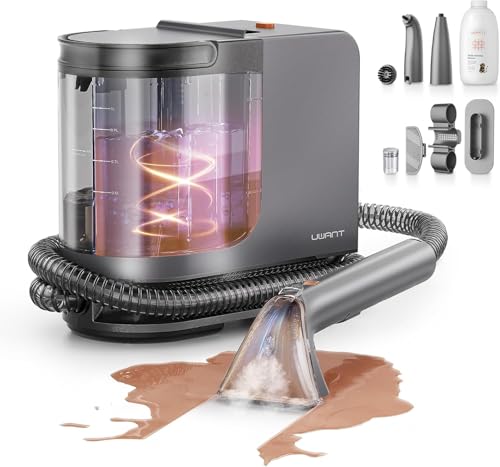
- Portable upholstery steamer for polyurethane couch
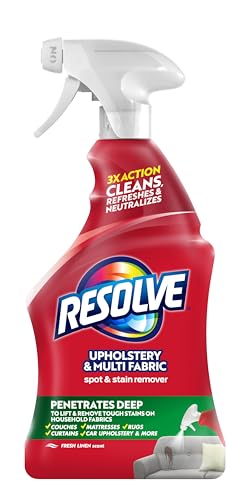
- Fabric stain remover spray for polyurethane sofa cleaning
- Soft white cloths or microfiber towels
- Mild liquid dish soap
- Warm water
- Spray bottle
- Vacuum with upholstery attachment

Before You Start
Check the sofa’s care label or manufacturer recommendations before cleaning. Use gentle, non-abrasive cleaners and avoid harsh solvents that can soften or discolor polyurethane finishes. Work in a well-ventilated area and protect nearby surfaces with a drop cloth. Time required depends on stain severity and the cleaning method, typically 20–60 minutes for a full-clean session.
Step-By-Step: How To Clean A Polyurethane Couch
- Vacuum the entire surface with an upholstery attachment to remove loose dirt and crumbs.
- Mix a small amount of mild dish soap with warm water in a spray bottle. Lightly mist a soft cloth or microfiber towel, then gently blot the fabric to lift surface grime.
- For persistent spots, apply a small amount of fabric stain remover spray for polyurethane sofa cleaning to a cloth and test on a hidden corner. If safe, blot the stain from the outside toward the center.
- Use a microfiber upholstery cleaning kit for polyurethane sofa according to package directions. Work in small, circular motions and avoid saturating the fabric.
- If water resistance is required, use a portable upholstery steamer for polyurethane couch on a low setting. Keep the nozzle moving and maintain a safe distance to prevent soaking the cushions.
- Rinse with a clean, lightly damp cloth to remove soap residue. Avoid leaving soap behind, which can attract more dirt.
- Allow the couch to air dry completely. Open windows or use a fan to speed up drying, ensuring no moisture remains inside cushions.
- Brush the fabric with a clean dry cloth to restore nap and even texture after drying.
- Repeat spot treatment on any remaining stains, testing again in a discreet area first.
- Vacuum again once dry to lift fibers and remove any loosened grime from cleaning.
- For heavily soiled areas, consider a professional upholstery cleaning service to avoid over-wetting or damage.
Troubleshooting
| Symptom | Likely Cause | Fix | Prevention |
|---|---|---|---|
| Stains persist after cleaning | Stain deeply absorbed or oil-based | Use targeted fabric stain remover spray and repeat blotting with a clean cloth | Treat spills promptly; blot, don’t rub |
| Fabric feels stiff after cleaning | Soap residue left behind | Rinse with a clean damp cloth and air dry completely | Wipe with minimal soap solution |
| Water rings on cushions | Uneven drying or over-wetting | Dry thoroughly with fans; apply lighter cleaning in stages | Use spray bottle sparingly; test first |
| Nap looks flat | Over-scrubbing or heavy moisture | Lightly brush with a dry cloth after drying | Aim for gentle, even cleaning |
Common Mistakes
- Using harsh solvents or abrasive brushes that damage the polyurethane surface
- Over-wetting cushions, which can lead to mold or odor and cushion degradation
- Rubbing stains aggressively, which can spread the mark or fray fabric
- Skipping a test area on fabric before applying cleaners
Tips For Best Results
- Work from the outer edge of a stain toward the center to prevent spreading
- Keep cleaning sessions short and allow ample drying time between steps
- Regular maintenance includes quick wipe-downs after meals or spills
- Use a portable upholstery steamer cautiously to avoid oversaturation; always keep the nozzle moving
- Rotate cushions periodically to ensure even wear and cleaning exposure
Call A Professional
When stains are ink-based, oil-heavy, or cover large areas, or if the sofa shows persistent odors despite cleaning, it is wise to contact a professional upholstery cleaning service. Seek expert help if the fabric feels tacky or if the polyurethane appears cracked or discolored after cleaning attempts.
FAQ
Can I use DIY cleaners on a polyurethane couch?
Yes, with mild soap and water or approved fabric stain remover sprays. Always test on an inconspicuous area first.
Is a steam cleaner safe for polyurethane couches?
Yes, but use a low heat setting and avoid over-wetting. Keep the nozzle moving to prevent damage.
How often should I clean a polyurethane sofa?
Light cleaning every few weeks and a deeper clean every 3–6 months, depending on use and spills.
What should I do about odor after cleaning?
Ensure complete drying and consider a fabric-safe deodorizer or baking soda treatment, followed by thorough vacuuming.
Buying Guide
When choosing tools and products to clean a polyurethane couch, consider size, noise level, energy efficiency, controls, and placement. For example, a compact portable upholstery steamer should be easy to maneuver around a sofa and quiet enough for indoor use. A microfiber upholstery cleaning kit designed for polyurethane surfaces helps prevent fiber damage while lifting dirt efficiently. Look for stain removers labeled safe for synthetic fabrics and polyurethane finishes. If you have a sectional or larger piece, ensure a cleaning system with a longer reach or multiple attachments. Consider storage space, power availability, and the frequency of use to pick a solution that fits your living area and lifestyle.
Leave a Reply