How to Get Rid of Circling Flies on Patio
Flies circling a patio can turn outdoor gatherings into an uncomfortable experience. With warm weather and accessible food sources, the problem often worsens in late spring and summer. This guide offers practical steps and reliable tools to reduce fly activity on your outdoor space, focusing on humane deterrents and proven trap solutions.
Quick Answer
Use a combination of physical barriers, sanitation, and targeted traps. Start with removing attractants, improve airflow and shade, then deploy solar-powered outdoor fly traps or electric fly killers designed for patios. Pair deterrents with routine maintenance for best results.
What You’ll Need
Below is a practical shopping list derived from commonly used patio fly control tools. Each item targets circling flies with safe, outdoor-focused methods.
- Outdoor fly trap solar powered patio
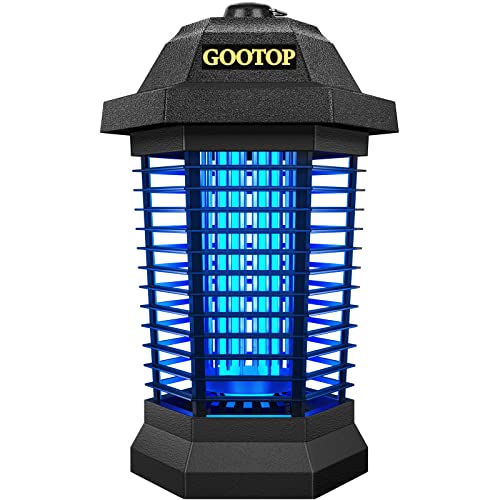
- Electric fly killer outdoor patio trap
- Patio fly deterrent device outdoor
- Bug zappers or UV light traps for patios (optional)
- Fly repellent candles or essential oil diffusers suitable for outdoors (optional)


Before You Start
Before tackling a fly problem, consider the following prerequisites and safety notes. Ensure pets and children have limited access to active traps and cords. Place devices away from seating areas but within effective range of pest activity. Allow 24–72 hours to see noticeable reductions as traps begin attracting insects. Never place traps where rain can pool or on uneven surfaces; stability matters for outdoor devices. Budget for a few days of observation to identify peak activity times and adjust locations accordingly.
Step-By-Step: How To Use Circling Flies Deterrents And Traps On A Patio
- Survey the patio to identify attractants: standing water, exposed food, pet waste, and trash bins near seating areas.
- Position the outdoor fly trap solar powered patio units upwind from the main seating area, at least 6–10 feet from guests to draw flies away from people.
- Install the electric fly killer outdoor patio trap near entry points such as doors, windows, or gateways to intercept flies trying to enter the area.
- Ensure all devices have sun exposure for solar models or are connected to a safe outdoor outlet; follow manufacturer wiring and grounding instructions.
- Keep seating and tables clean; promptly cover or discard food and seal garbage containers with tight lids to reduce attraction.
- Use patio fly deterrent device outdoor options around the perimeter to create a physical or scent-based barrier, complementing traps.
- Monitor device performance daily for a week; clean cages or grills as instructed to maintain efficiency.
- Reassess placements after a few days and rotate devices to cover shaded areas or zones with persistent activity.
- Combine with mild outdoor-safe repellents or fans to disrupt fly landing patterns and improve airflow around seating.
- Maintain an ongoing routine of sanitation and trap checks to sustain fly reductions over the season.
- If flies persist at high levels near doors, consider adding window screens or door sweeps to block entry points.
- As a final check, adjust the number of traps or reconfigure layouts for optimal coverage during peak outdoor hours.
Troubleshooting
| Symptom | Likely Cause | Fix | Prevention |
|---|---|---|---|
| Flies still circling despite traps | Insufficient trap coverage or misplacement | Reposition traps to cover blind spots and upwind areas | Regularly rotate devices and maintain clear sightlines |
| Traps not attracting flies | Low sun exposure or clogged attractant | Clean units; ensure solar panels receive direct sunlight | Clear debris and schedule seasonal maintenance |
| Unpleasant odors around traps | Overfilled attractant compartments | Empty and refresh attractants per manufacturer instructions | Set maintenance reminders |
| Pets show interest in traps | Trap placement too close to pet areas | Move devices higher or away from pet zones | Use pet-safe deterrents and barriers |
Common Mistakes
- Assuming a single trap will solve the problem; flies require a multi-pronged approach.
- Placing devices behind plants or under overhangs where airflow is restricted.
- Neglecting sanitation; leaving food scraps or trash unattended invites more flies.
- Ignoring maintenance schedules; clogged or faded units lose effectiveness quickly.
Sticking to a structured plan reduces the chance of repeat fly activity and helps create a more enjoyable outdoor space.
Tips For Best Results
- Combine traps with physical barriers like door sweeps and screen doors to reduce entry.
- Use fans to disrupt fly flight paths; even a light breeze can deter landing on people.
- Schedule outdoor meals during times when fly activity is lower, and keep seating covered when not in use.
- Keep traps visible; a clearly placed device also acts as a reminder to maintain cleanliness around the area.
- Rotate positions seasonally to adapt to changing fly patterns and sun angles.
Call A Professional
Consult a professional if: flies persist after two weeks of consistent trap use, you notice unusually large swarms, or the problem indicates a broader infestation in landscaping or nearby waste areas. A pest control expert can assess site conditions, advise on integrated pest management, and recommend calibrated trap setups for your specific space.
FAQ
How quickly do patio fly traps work?
Most users notice a reduction within a few days to a couple of weeks, depending on placement and environmental conditions.
Are solar powered fly traps effective in shady areas?
Effectiveness declines in deep shade; place traps where they receive direct sunlight for several hours a day.
Can pets be around outdoor fly traps?
Yes, but keep traps and electrical components out of reach and follow manufacturer safety guidelines for outdoor use around animals.
What’s the best combination for a fly-free patio?
Combine solar traps and electric traps with good sanitation, physical barriers, and airflow enhancements for best results.
Buying Guide
Choosing the right fly-control setup for a patio depends on several factors. Consider size and layout of the outdoor area, typical sun exposure, and the presence of entry points like doors and windows. Noise level may matter for comfortable evenings; some devices operate quietly while others produce a mild hum. Look for energy efficiency in solar-powered models and verify that cords, if required, are rated for outdoor use. Controls should be straightforward—prefer units with simple on/off switches and clear maintenance alerts. Placement matters: position devices upwind from seating, away from direct line of sight for guests, and near obvious attractants but not in the center of dining tables. Compare the coverage area per device, maintenance needs, and ensure compatibility with your existing outdoor décor and power sources. A multi-device setup often yields better results for larger patios or areas with heavy fly traffic. Ask about warranty terms and availability of replacement parts to protect your investment across seasons. If you’re unsure, a professional assessment can help tailor a plan that balances effectiveness, safety, and ease of use.
Leave a Reply