How to Clean Bath Toys With Holes Safely
Bath toys with holes can trap water, soap scum, and mold if not cleaned regularly. This guide explains a practical, American-friendly method to sanitize and refresh hollow bath toys while preserving their material and floatability. Clear steps and safer cleaners help maintain hygienic bath time for families.
Quick Answer
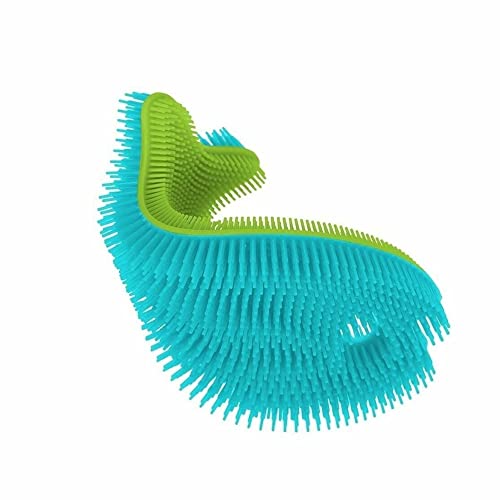
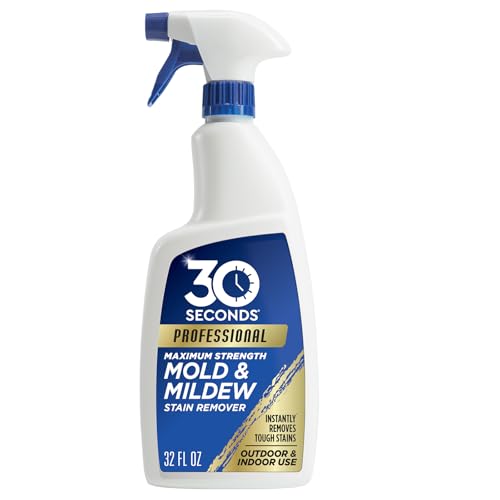
Inspect toys for cracks and mold growth. Rinse with warm water, then clean with a gentle brush. Dry completely and disinfect periodically. Use a dedicated silicone bath toy cleaner brush for tight areas and a mold and mildew remover spray for stubborn spots.
What You’ll Need
- Bath toy cleaning brush set
- Silicone bath toy cleaner brush
- Mold and mildew remover spray for bath toys

Before You Start
Before cleaning, remove any loose debris and check for damage. Do not squeeze or twist toys aggressively, which can crack seams. Choose a well-ventilated area or ventilated bathroom to reduce odor exposure. Time estimate: 20–40 minutes depending on toy quantity and level of buildup. Safety notes: use nonabrasive cleaners on soft plastics, avoid harsh chemicals near children, and rinse thoroughly after any spray cleaner.
Step-By-Step: How To Clean Bath Toys With Holes
- Empty and rinse each toy under running warm water to remove surface residue.
- Inspect for visible mold in holes and seams; set aside any compromised toys for replacement rather than repair.
- Dip a bath toy cleaning brush set or a dedicated silicone bath toy cleaner brush into warm water and apply a mild, fragrance-free soap or diluted cleaner to crevices.
- Gently scrub the interior holes and channels using the small brush tip to dislodge soap scum and mold particles.
- For persistent buildup, spray a mold and mildew remover spray for bath toys on the exterior and into the holes; allow the product to sit according to label directions.
- Rinse toys thoroughly with clean water until no cleaner residue remains.
- Shake out excess water and place toys on a towel or drying rack in a well-ventilated area to air dry completely.
- Once dry, store toys in a dry container or breathable bin to prevent reoccurrence of mold. Repeat cleaning routine monthly or as needed.
- For added safety, periodically rotate toys to minimize moisture retention and inspect for wear that could harbor bacteria.
- If any toy shows persistent odor or discoloration after cleaning, consider replacing it to maintain bath hygiene.
Troubleshooting
| Symptom | Likely Cause | Fix | Prevention |
|---|---|---|---|
| Persistent mold odor | Moisture trapped in holes | Re-clean with stronger spray and allow extended drying | Dry toys completely after each bath |
| Cracked toy seams | Overly aggressive scrubbing or age | Stop using affected toys; replace as needed | Gentle cleaning, inspect quarterly |
| Sticky residue after cleaning | Soap scum build-up | Rinse thoroughly; consider a targeted rinse with distilled water | Rinse toys after each bath session |
| Color fading or warping | Exposure to harsh cleaners | Switch to milder cleaners; limit exposure time | Use recommended cleaners only |
Common Mistakes
- Failing to rinse all cleaner from the interior holes, leaving residue behind
- Using abrasive brushes that scratch soft plastic toys
- Overlooking drying, which invites mold growth between uses
- Ignoring signs of wear or cracks that can harbor bacteria
Tips For Best Results
- Choose fragrance-free, mild cleaners to reduce skin irritation and scent buildup
- Use a dedicated cleaning tool for holes to minimize cross-contamination with other bathroom items
- Rotate toys to evenly expose all surfaces to air once dry
- Establish a routine: quick rinse after each bath and a deeper clean weekly or monthly based on use
- Store toys in a dry location and avoid sealed containers that trap moisture
Call A Professional
Consider a professional if any toy has extensive mold infiltration beyond surface areas, if there is persistent dampness in the bathroom, or if you notice recurring odors despite cleaning. Seek a pediatrician’s advice for any concerns about materials coming into contact with a child’s skin.
FAQ
How often should bath toys with holes be cleaned?
Clean at least once a week with a quick rinse and a deeper clean monthly, or more often with heavy use.
Can I use household bleach to clean bath toys?
Bleach can degrade some plastics. Use diluted, toy-safe cleaners or the mold remover spray recommended for bath toys, following label directions.
Are silicone bath toy cleaners safe for kids?
Yes, silicone cleaners are designed to reach tight spaces and are generally safe when used as directed and thoroughly rinsed.
What should I replace first if mold keeps returning?
Start with toys showing cracks or persistent odors; replace one or two at a time to minimize ongoing mold retention.
Is it necessary to dry toys after cleaning?
Yes. Completely dry toys prevents mold regrowth and preserves toy integrity.
Buying Guide
Choosing the right options for cleaning bath toys with holes involves considering size, material, and maintenance needs. This guide reviews key buying factors to help families pick effective tools and products without overbuying.
- Size and reach: Tools with long handles reach interior holes; compact brushes fit small openings without damaging seams.
- Material compatibility: Brushes designed for silicone or soft plastics minimize surface wear.
- Efficiency and coverage: A silicone bath toy cleaner brush provides flexible access to tight spaces and is easy to clean after use.
- Cleaning agents: Opt for mold and mildew remover sprays formulated for bath toys that are gentle on plastics and safe around kids.
- Storage and drying: Consider a drying rack or wall-mounted holder to keep toys dry between uses.
- Durability and replacement cycle: Look for durable materials and replace toys that show cracks or odor persistence.
- Price and value: Balance a robust cleaning tool set with the frequency of use to maximize value without excess.
- Usage patterns: Families with frequent baths may prefer a combination kit that includes a spray cleaner and interior brushes.
By selecting the right tools and following a consistent cleaning routine, families can keep bath toys clean, safe, and enjoyable for children. Are you ready to choose a dedicated cleaning kit and start a simple, effective cleaning routine today?
Leave a Reply