How to Clean Refrigerator Water Dispenser Nozzle
Keeping the refrigerator water dispenser nozzle clean helps ensure dispensing clean, fresh-tasting water and extends the life of the appliance. Regular maintenance can prevent buildup that leads to off-tastes or slow flow. This guide provides practical steps and notes specific tools designed for the task.
Proper cleaning is simple, but it requires attention to the nozzle area and connecting lines. With the right brushes and a gentle approach, most families can perform the routine themselves without disassembling major components.
Quick Answer
Best practice: use a dedicated nozzle cleaning brush or a long flexible bottle cleaning brush to scrub the nozzle and nearby fittings, then rinse thoroughly with warm, soapy water. Repeat monthly or when you notice buildup or off-tastes.
What You’ll Need
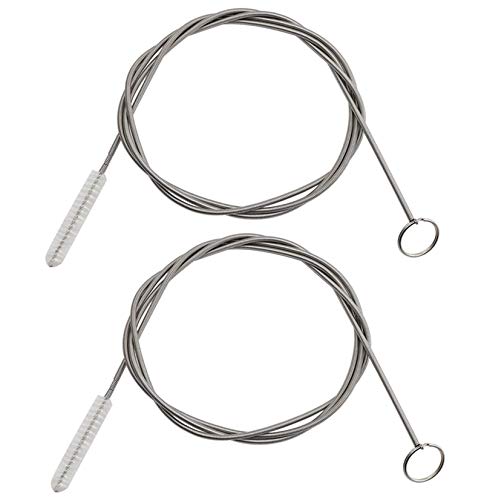
- refrigerator water dispenser nozzle cleaning brush
- fridge water dispenser nozzle cleaning kit brush
- long flexible bottle cleaning brush for refrigerator water line

Before You Start
Turn off or pause the water supply if your refrigerator allows it, and place a towel or shallow tray beneath the dispenser to catch drips. Remove any external filters or screens per the manufacturer’s guidelines to avoid forcing debris into the line. Use warm, soapy water and a soft brush to avoid scratching plastics. Safety note: never use abrasive cleaners or harsh chemicals inside the dispenser area. Plan for a 15–30 minute clean, depending on access and model.
Step-By-Step: How To Clean Refrigerator Water Dispenser Nozzle
- Unplug or pause the water supply to the dispenser if available, and prepare a basin of warm, soapy water.
- Remove exterior nozzle tips, if removable, following manufacturer instructions and set them aside for soaking.
- Dip the refrigerator water dispenser nozzle cleaning brush in the soapy water and scrub the exterior nozzle and the surrounding seal gently.
- Use the fridge water dispenser nozzle cleaning kit brush to reach into crevices around the nozzle and any inlet openings.
- For hard-to-reach areas inside the line, employ the long flexible bottle cleaning brush for refrigerator water line to gently agitate any buildup.
- Rinse all parts thoroughly with clean water, ensuring no soap residue remains inside the dispenser or lines.
- Reassemble, reconnect the water supply, and run several cups of water to flush the system and verify there are no leaks.
- Wipe the exterior with a clean, damp cloth and dry completely to prevent moisture buildup.
- Note any persistent off-tastes or reduced flow and consider repeating the cleaning monthly or when taste changes are noticed.
- If your model uses a water filter, replace it according to the manufacturer’s schedule to maintain water quality.
- Document your cleaning routine in a home maintenance log to track frequency and any observed issues.
- Store brushes and tools dry and ready for the next cycle to avoid mold or mildew in stored bristles.
Troubleshooting
| Symptom | Likely Cause | Fix | Prevention |
|---|---|---|---|
| Slow water flow from nozzle | Buildup near the nozzle or within the line | Clean with nozzle brushes; run several cups of water to purge air | Schedule monthly cleanings |
| Off-taste in water | Residual soap or mineral deposits | Rinse thoroughly; flush the line with clean water | Use mild soap and avoid harsh cleaners |
| Discolored water | Stale lines or dirty nozzle | Clean nozzle area thoroughly; replace affected filters if applicable | Inspect lines during cleaning and sanitize if needed |
| Leaks after reassembly | Improper seal or loose fittings | Recheck connections and seals; tighten as recommended | Hand-tighten; avoid over-torquing |
Common Mistakes
- Using abrasive cleaners that scratch plastic surfaces
- Forgetting to rinse soap completely, leaving residues
- Removing parts beyond the manufacturer’s guidance
- Not flushing the line after cleaning, which can introduce air bubbles
Following correct steps helps prevent these issues and ensures consistent water quality from the dispenser.
Tips For Best Results
- Schedule routine cleanings every 1–3 months depending on usage and water source availability.
- Always dry all components thoroughly before reassembly to prevent mold.
- Label brushes for nozzle-only use to avoid cross-contamination with other cleaning tasks.
- Keep a small cleaning kit in the kitchen for quick, casual maintenance without a full teardown.
Call A Professional
Contact a professional if you notice persistent leaks, unusual odors after cleaning, or if the water supply line appears damaged. Seek help immediately if the dispenser fails to dispense water after cleaning or if the ice maker is affected, as these issues may require a more thorough service or part replacement.
FAQ
How often should I clean the refrigerator water dispenser nozzle?
Most households benefit from a monthly to bi-monthly clean, with more frequent cleaning if you notice changes in taste or reduced flow.
Can I use household cleaners to clean the nozzle?
Avoid strong household cleaners; use warm, soapy water and dedicated cleaning brushes to prevent residue and damage.
Do I need to turn off the water supply during cleaning?
Yes, pause or shut off the water supply when disassembling or thoroughly cleaning the nozzle area to prevent leaks.
What should I do if the nozzle area is moldy?
Disassemble as directed, thoroughly clean with soap, rinse, and sanitize with a food-safe solution if recommended by the manufacturer, then rinse again.
Is it necessary to replace filters during nozzle cleaning?
Not always, but replacing filters according to the manufacturer’s schedule helps maintain overall water quality and reduces residues.
Will cleaning remove all mineral buildup?
Cleaning removes most surface buildup, but heavy mineral deposits may require more intensive descaling or professional attention.
How can I prevent future buildup?
Regular cleaning, using the recommended brushes, and replacing filters on schedule helps prevent buildup and maintains clean dispensing.
Buying Guide
When choosing tools for cleaning a refrigerator water dispenser nozzle, consider size, flexibility, and fit for your model. Look for a refrigerator water dispenser nozzle cleaning brush that reaches into tight corners, a fridge water dispenser nozzle cleaning kit brush with multiple brush sizes, and a long flexible bottle cleaning brush for refrigerator water line that can reach the internal tubing without causing damage. Evaluate compatibility with your model and check for dishwasher-safe components. Noise levels from brushes are generally not significant, but choose soft-bristled options to minimize scratches. Consider storage space, kit durability, and whether the kit includes replacement bristles or attachments. For households with hard water, test cleaning efficacy and consider additional descaling steps if recommended by the appliance manufacturer. Finally, assess overall value by comparing kit contents, ease of use, and warranty coverage.
Leave a Reply