How to Clear Clogged Pores on the Chin
Clogged pores on the chin are a common issue, often caused by excess oil, dead skin cells, and environmental buildup. A practical routine combining cleansing, exfoliation, and targeted tools can help keep this area clear. This guide walks through safe steps, recommended products, and pro tips for American users aiming for clearer skin.
Quick Answer
For fastest results: start with a gentle cleanse, use a silicone facial cleansing brush to boost pore cleansing, apply a chin-specific pore strip with charcoal as needed, and consider a stainless steel comedone extractor only if you have proper technique and clean tools. Pair with a weekly exfoliation and consistent sunscreen to prevent future clogging.
What You’ll Need
The following tools and products are recommended to address chin pores effectively. Assemble these before you begin your routine.
- Silicone facial cleansing brush for clogged pores chin
- Stainless steel comedone extractor tool
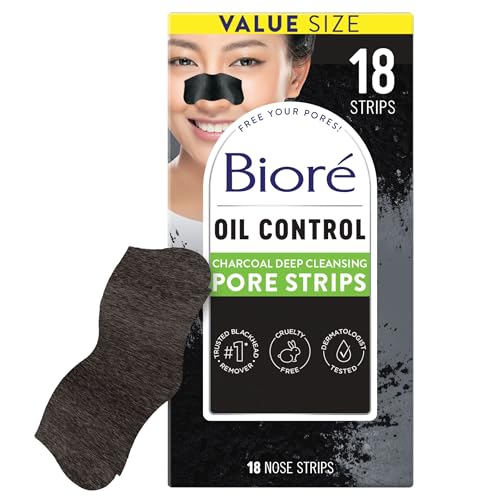
- Chin pore strips charcoal
- Gentle cleanser suitable for face
- Non-comedogenic moisturizer
- Exfoliant with salicylic acid or alpha hydroxy acids
- Facial toner (alcohol-free)


Before You Start
Before beginning, assess your skin type and any sensitivities. If you have active acne, eczema, or rosacea on the chin, proceed with extra caution or consult a dermatologist. Always test new products on a small skin area first. Time estimate for the routine: about 15–25 minutes. Avoid aggressive pinching or squeezing, which can cause scarring or infection. Keep tools sanitized with alcohol before and after use to minimize bacteria transfer.
Step-By-Step: How To Clear Chin Pores
- Start with a warm compress to open pores for 2–3 minutes, then apply a gentle cleanser to lift oil and debris.
- Wet the silicone facial cleansing brush and work the cleanser into the chin with slow, circular motions for 1–2 minutes. Focus on areas with visible pores.
- Rinse thoroughly with lukewarm water and pat dry with a clean towel. Avoid rubbing the skin harshly.
- Apply a lightweight exfoliant containing salicylic acid or AHAs to chemically dissolve debris within pores. Leave on as directed.
- Use a chin pore strip charcoal as directed on the package. Apply to clean, dry skin and remove after the recommended time to lift surface impurities.
- If pore strips are used, follow with a soothing toner to restore pH balance and minimize irritation.
- Consider using a stainless steel comedone extractor tool only if you’ve had proper instruction and pin-pointed clogged material. Use gentle pressure and work in small, controlled motions; avoid forcing material out.
- Moisturize with a non-comedogenic moisturizer to lock in hydration and protect the skin barrier.
- Apply sunscreen during the day to prevent further pore clogging from UV exposure and to protect healing skin.
- Once or twice a week, repeat cleansing, exfoliation, and masking steps with hydrating products to maintain clear pores without over-cleansing.
- Keep routines consistent but avoid over-cleansing which can trigger oilier skin as a compensatory response.
Troubleshooting
| Symptom | Likely Cause | Fix | Prevention |
|---|---|---|---|
| Pores appear larger after cleansing | Over-tightening or drying the skin | Switch to a gentler cleanser and reduce exfoliation frequency | Maintain consistent hydration and avoid aggressive products |
| Redness or irritation after exfoliation | Over-exfoliation or sensitive skin | Pause exfoliation for several days; use soothing ingredients | Patch-test new products; follow usage guidelines |
| Persistent blackheads on chin | Buildup in follicles | Regular gentle cleansing + targeted masks; avoid squeezing | Establish a routine and don’t skip cleansing |
| Pore strips cause redness or pull at skin | Allergic reaction or too strong adhesive | Discontinue use and choose hypoallergenic options | Test on a small area first |
Common Mistakes
- Over-squeezing or picking at pores, which can cause scarring
- Using harsh scrubs that irritate skin and increase oil production
- Skipping hydration, leading to dry and irritated skin
- Neglecting sunscreen, which can worsen pore appearance over time
- Failing to sanitize tools, increasing infection risk
Tips For Best Results
- Consistency matters: a steady routine yields better pore management than sporadic attempts.
- Choose non-comedogenic products labeled for acne-prone or oily skin to reduce pore clogging.
- Use the silicone facial cleansing brush regularly for gentle, thorough cleansing without abrasion.
- Limit pore strip use to once or twice a week to prevent irritation and keep skin balanced.
- Maintain a light, oil-free moisturizer to support barrier function without clogging pores.
- Assess your environment: sweat, pollution, and humidity can contribute to pore buildup on the chin.
Call A Professional
Consult a dermatologist if pore issues persist despite routine care, if you notice severe redness, swelling, or pus, or if you’re uncertain about using tools like a stainless steel comedone extractor. Seek professional help for extractions to minimize scarring or infection risks, especially on sensitive or inflamed skin.
FAQ
Is a silicone facial cleansing brush better for clogged pores on the chin?
Yes, a silicone brush tends to be gentler, easier to clean, and effective at lifting debris from pores without harsh abrasion.
How often should I use chin pore strips charcoal?
Typically once or twice a week, as part of a balanced routine; overuse can cause irritation.
Can I squeeze clogged pores on my chin?
Avoid squeezing to prevent scarring and infection; use proper extraction techniques only if performed by a professional or after thorough instruction.
What ingredients help prevent chin clogged pores?
Salicylic acid, niacinamide, and non-comedogenic moisturizers are popular for reducing oil, improving texture, and supporting barrier health.
Should I exfoliate daily to clear chin pores?
No. Daily exfoliation can irritate skin; limit to 2–3 times per week and adjust based on skin response.
When should I see a dermatologist?
If clogged pores persist after several weeks of routine care, or if there is persistent redness, swelling, or painful nodules, seek professional evaluation.
Buying Guide
When shopping for products to address chin pores, consider these factors to optimize results and comfort.
Size and placement: Choose tools that feel comfortable in your hand and are easy to maneuver around the chin’s contours. For compact areas, a smaller extractor head offers better control.
Noise level: Electric cleansing tools vary in noise; look for models with quiet operation if you prefer a discreet routine.
Energy efficiency: Rechargeable devices save money and reduce waste. Check battery life per charge and overall longevity.
Controls and settings: Simple on/off plus gentle-to-deep cleansing modes help tailor use to sensitive or oily skin on the chin.
Materials and hygiene: Stainless steel extractors must be sterilized; silicone brushes are easy to sanitize and typically durable for long-term use.
Compatibility with skin concerns: Opt for products formulated for acne-prone or oilier skin when targeting chin pores.
Placement and storage: Keep tools in a clean, dry case to prevent contamination. Avoid storing damp tools near other cosmetics.
With these factors in mind, users can select a combination of tools and products—such as a silicone facial cleansing brush, a stainless steel comedone extractor, and charcoal pore strips—that align with personal routines, skin type, and safety preferences.
Leave a Reply