How to Clean Toilet Rim Stains
Rim stains can mar a toilet’s appearance and harbor buildup over time. This guide explains practical methods to remove stubborn stains using common household tools and purpose built cleaners. The steps focus on safety, effectiveness, and keeping your bathroom sparkling.
Quick Answer
Best fast fix is to use a toilet bowl brush with an extendable handle to reach the rim, combine a gritty remover such as a pumice stone designed for toilets, and follow up with an angled head toilet brush for final scrubbing on hard to reach areas.
What You’ll Need
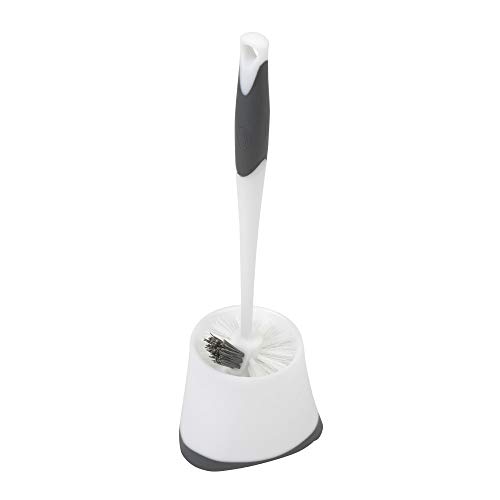
- Toilet bowl brush with extendable handle for rim stains
- Pumice stone toilet bowl stain remover 2 inch grit
- Angled head toilet brush long handle for hard water stains
- Toilet cleaner gel or liquid with whitening properties
- Plastic gloves for hand protection


Before You Start
Begin with a well ventilated bathroom. Wear gloves and avoid mixing cleaners unless the product instructions allow it. Remove items from around the toilet to avoid splash marks. Time estimate for the full process is 15 to 30 minutes, depending on stain severity. Do not use a pumice stone on porcelain toilet bowls that have delicate glaze or colored finishes.
Step-By-Step: How To Clean Toilet Rim Stains
- Put on gloves and close the toilet lid to minimize splash risk.
- Apply a toilet cleaner along the rim and let it sit for 5 to 10 minutes to loosen mineral buildup.
- Dip the extendable brush into the bowl and scrub the rim edge with firm, circular motions.
- For stubborn mineral deposits, gently use the pumice stone toilet bowl stain remover 2 inch grit on the outside edge where buildup is heavy, using light pressure.
- Wipe the pumice stone with a damp cloth and rinse the bowl, then scrub again with the extendable brush focusing on the rim interior.
- Switch to the angled head toilet brush long handle for hard to reach spots under the rim and along the bowl curve.
- Rinse thoroughly by flushing several times to remove loosened debris and cleaner residue.
- Inspect the rim for any remaining spots; repeat cleaner and brush steps if needed.
- Dry the rim area with a clean cloth or paper towel to prevent new mineral deposits from forming.
- Clean and rinse the brush after use and store it in a dry area away from children and pets.
- For ongoing maintenance, repeat a light cleaning weekly to prevent buildup.
Troubleshooting
| Symptom | Likely Cause | Fix | Prevention |
|---|---|---|---|
| Stains persist after scrubbing | Stubborn mineral deposits | Apply cleaner again and use pumice stone with light pressure | Regular cleaning to prevent buildup |
| Rings reappear quickly | Hard water minerals | Switch to mineral reducing cleaners and wipe dry after use | Install water softener if feasible |
| Scratches appear on porcelain | Overly aggressive pumice stone use | Stop using pumice on glaze sensitive areas | Limit pumice to heavy deposits only |
| Cleaner irritates skin | Direct skin contact | Use gloves and rinse hands after work | Keep cleaners away from reach of children |
Common Mistakes
- Using bleach alone to tackle mineral stains while ignoring the rim surface
- Scrubbing too hard with a standard brush on the glaze
- Neglecting to rinse and flush after treatment
- Skipping safety gear such as gloves
- Leaving cleaners pooled near the floor or base of the toilet
Tips For Best Results
- Let cleaners dwell for the recommended time before scrubbing to maximize effectiveness
- Use the extendable handle to minimize bending and reach hard to access areas safely
- Consider a two step approach: chemical loosening followed by physical scrubbing
- Rinse thoroughly after each cleaning pass to prevent residue buildup
- Schedule routine maintenance to keep rim stains at bay
Call A Professional
Stop signs to seek help include persistent discoloration after repeated cleaning, visible glaze damage, or if the toilet is not functioning properly. A pro can assess glaze integrity and advise on safe remediation options without risking porcelain damage.
FAQ
Can I use a pumice stone on all toilet bowls
Pumice stones are effective on tough mineral deposits but should not be used on delicate or colored glazes. Always test a small inconspicuous area first.
What is the best tool for rim stains
An extendable toilet brush combined with a pumice stone on heavy build up is often most effective for rim stains.
Are there safer alternatives to pumice
Yes, non abrasive toilet cleaners and enzymatic cleaners can help breakdown buildup without scratching the glaze.
How often should I clean rim stains
For homes with hard water aim for a weekly light clean and a deeper clean every 2 to 4 weeks depending on stain progression.
Buying Guide
When selecting products for cleaning toilet rim stains, consider size and reach, noise levels if using mechanical aids, energy use for powered devices, user control options, and placement of tools for easy access. A toilet bowl brush with extendable handle for rim stains offers reach without bending and pairs well with a gritty remover like a pumice stone toilet bowl stain remover 2 inch grit. An angled head toilet brush long handle for hard water stains helps target underside and tight corners. Look for durable bristles, compatibility with porcelain glaze, and easy rinse features. For best results, match tools to water hardness in your home and adopt a regular cleaning schedule that fits your bathroom routine.
Leave a Reply