How to Get Rid of Dog Vomit Breath
Bad breath in dogs can be a sign of dental issues, digestion problems, or simply lingering vomit odors that cling to the mouth and breath area. With a calm approach and the right tools, owners can improve their dog’s breath and overall oral health. This guide provides practical steps, recommended products, and safety notes to help American pet owners address vomit-related odor and maintain fresh breath.
Quick Answer
Start with a dental care routine that combines enzymatic toothpaste and a dog toothbrush, then use an enzymatic pet stain and odor remover for any vomit residues on surfaces. Complement with dog breath freshening treats to reduce odor from the mouth and support oral health over time.
What You’ll Need
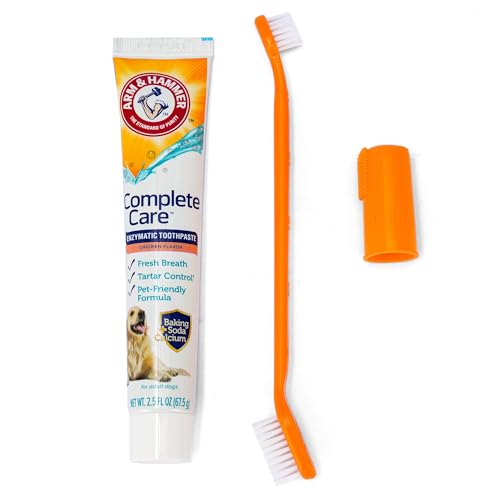
- Dog dental care kit enzymatic toothpaste toothbrush for dogs
- Enzymatic pet stain and odor remover spray for dog vomit
- Dog breath freshening treats dental chews for bad breath


Before You Start
Before beginning, assess your dog’s overall health. If vomiting has been frequent or if breath odor persists despite brushing, consult a veterinarian. Use gentle brushing techniques and a product-tested toothpaste for dogs to avoid gum irritation. Prepare a calm area, keep treats handy, and schedule routine brushing sessions at consistent times to build a positive association for your dog.
Time estimate: 15–20 minutes for the initial routine, then daily maintenance sessions of 2–5 minutes. If vomiting is accidental, clean the area promptly and ensure surfaces are dry to prevent lingering odors.
Step-By-Step: How To Get Rid Of Dog Vomit Breath
- Gently brush your dog’s teeth using the enzymatic toothpaste and dog toothbrush. Start with the back teeth and work forward in small circles to reach all surfaces.
- Reward your dog with a small treat after each brushing to promote cooperation and make routines pleasant.
- Apply a pea-sized amount of enzymatic toothpaste to the brush and continue brushing for a full 60–90 seconds, ensuring the gumline is addressed.
- For vomiting residues on fur or skin, use the enzymatic pet stain and odor remover spray. Lightly mist the affected area and wipe with a clean cloth until residues are gone.
- Wipe or rinse surfaces where vomit may have touched to prevent odor transfer to your dog’s breath. Allow treated surfaces to dry fully.
- Offer dog breath freshening treats or dental chews after brushing to support ongoing fresh breath and dental health.
- Schedule brushing at least once daily or every other day and pair with regular dental chews for best results.
- Keep a small dental kit on hand for quick touch-ups after meals or incidents. Consistency is key for noticeable improvement.
- If your dog resists brushing, try a routine with shorter sessions and positive reinforcement, gradually increasing duration as comfort grows.
- Track progress by noting breath freshness daily and adjusting routine if odors persist beyond two weeks.
- Consult a veterinarian if breath remains foul despite consistent dental care, or if vomiting recurs frequently.
- Consider routine dental checkups and professional cleanings as part of long-term oral health maintenance.
Troubleshooting
| Symptom | Likely Cause | Fix | Prevention |
|---|---|---|---|
| Persistent bad breath after brushing | Underlying dental disease or oral infection | See a veterinarian for a dental exam | Regular brushing and dental chews |
| Breath improves briefly but returns quickly | Vomiting odors lingering on fur or environment | Clean affected fur and surfaces with enzymatic odor remover | Frequent cleaning after incidents |
| Gum irritation during brushing | Brushing too hard or using a harsh product | Switch to a softer brush and milder enzymatic toothpaste | Gentle technique and gradual acclimation |
| Dog refuses brushing | Fear or discomfort with brushing tools | Use positive reinforcement and short sessions | Start with finger brushing and rewards |
Common Mistakes
- Trying to brush an uncooperative dog without gradual desensitization
- Using human toothpaste or abrasive products on dogs
- Neglecting daily maintenance in favor of sporadic deep cleans
- Ignoring vomit residues on surfaces that can reintroduce odors
Tip: Always use dog-specific dental products and follow package directions to minimize irritation and maximize effectiveness.
Tips For Best Results
- Pair brushing with dental chews to reinforce breath freshness between brushing sessions
- Choose enzymatic products that target both breath odor and plaque buildup
- Maintain a consistent routine to help your dog anticipate and enjoy dental care
- Regularly inspect teeth and gums for signs of dental disease such as redness, swelling, or loose teeth
- Keep a dedicated cleaning cloth or wipes handy for quick odor control after vomiting incidents
Call A Professional
Seek veterinary advice if there are signs of persistent bad breath, persistent vomiting, oral pain, or reluctance to eat. Stop brushing and consult a professional if your dog shows severe gagging, coughing after brushing, or any bleeding gums. A veterinarian can assess dental health, identify underlying conditions, and provide targeted treatments or professional cleanings as needed.
FAQ
How often should I brush my dog’s teeth?
Most dogs benefit from brushing once daily, or at least several times per week, to reduce plaque and bad breath.
Can dental treats replace brushing?
No, dental treats supplement brushing but do not fully replace the mechanical cleaning provided by brushing and dental chews.
Is an enzymatic spray safe for vomit odors on furniture?
Yes, choose a product labeled for pet use and test on a small area first to ensure compatibility with fabrics.
What if my dog continues vomiting after breath-focused care?
Frequent vomiting requires veterinary evaluation to rule out digestive issues or other health concerns.
Should I use warm water to rinse the mouth after brushing?
Rinsing is generally not required with enzymatic toothpaste; follow product directions to avoid dilution of active enzymes.
Buying Guide
When selecting products to address dog vomit breath, consider factors such as how the items integrate into daily routines, ease of use, and compatibility with your dog’s size and breed.
Key buying factors:
- Size and design: A compact dental care kit that fits your hand and your dog’s mouth size makes brushing easier and more comfortable for both of you.
- Enzymatic effectiveness: Enzymatic toothpaste and odor removers target organic residues that cause breath odor and stains, improving hygienic outcomes.
- Noise and comfort: Quiet, low-effort tools help reduce stress during dental care sessions.
- Controls and usage: Clear instructions and easy dispensing modes improve consistency.
- Placement and storage: A dedicated, reachable spot for the kit ensures it’s used regularly and kept clean.
(“
)
Leave a Reply