How to Clean a Hunting Knife: A Practical Step-by-Step Guide
Cleaning a hunting knife properly extends its life and maintains edge integrity for reliable field use. This guide covers safe, effective methods using common maintenance tools, including purpose-built cleaning kits and rust removers. By following these steps, hunters can keep blades ready for the next excursion without risking damage to metal or handles.
Quick Answer
Rinse off residue, dry thoroughly, apply a light coat of oil, and polish with a clean cloth. For rust or stubborn grime, use a dedicated blade cleaning spray or rust remover, then re-oil and store in a dry place.
What You’ll Need
The following tools and materials cover routine cleaning and maintenance. They incorporate the recommended product keywords where possible.
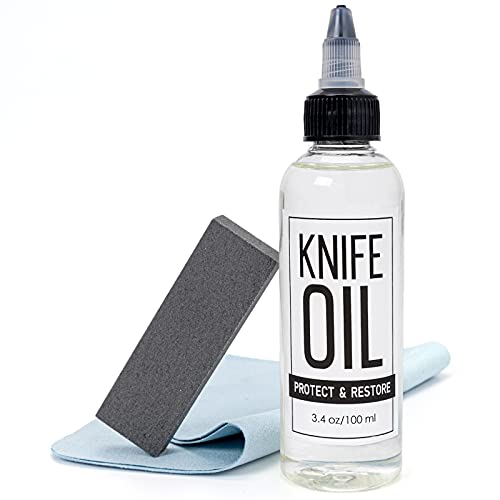
- Hunting knife cleaning kit with brush oil and cloth
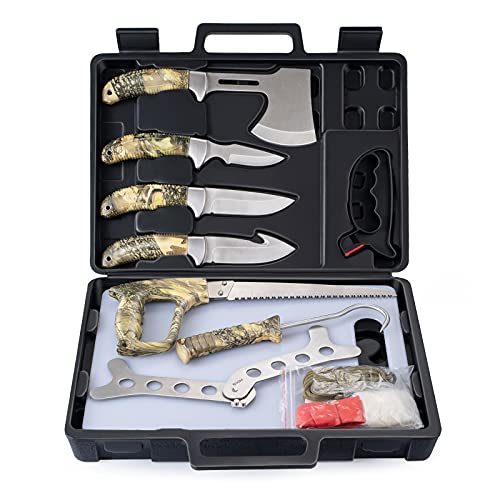
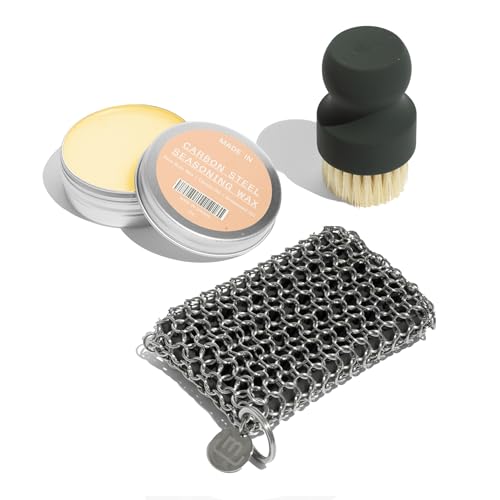
- Knife maintenance kit stainless steel cleaning brush oil spray
- Blade cleaning spray rust remover for hunting knives
Before You Start
Prepare a clean work surface in a well-lit area. Secure the knife so it cannot slip, and wear minimal protective gear if needed. Do not soak the knife for prolonged periods, especially if the handle is wood or composite. Time estimate: 5–15 minutes for routine cleaning; up to 30 minutes for rust removal and full maintenance. Safety note: avoid abrasive cleaners on blade edges to prevent micro-scratches that can weaken steel.
Step-By-Step: How To Clean A Hunting Knife
- Rinse the blade with warm water to remove blood, dirt, and residue. Dry immediately with a clean cloth to prevent water spots.
- Inspect the edge and spine for nicks or chips. If present, mark the area and plan limited honing after cleaning.
- Wipe the blade with oil from the hunting knife cleaning kit with brush oil and cloth to create a protective film, focusing on the edge and any scratches.
- For stubborn grime, apply blade cleaning spray rust remover for hunting knives according to label directions, then scrub with a soft brush to lift rust.
- Rinse the blade again if using a rust remover to remove chemical residues; dry thoroughly.
- Apply a thin layer of oil using the included cloth or a dedicated oil spray from the knife maintenance kit stainless steel cleaning brush oil spray. Ensure every metal surface is lightly coated.
- Check the handle for moisture. If wooden, wipe with a mild conditioner and allow it to dry completely before reassembly or storage. If the handle is synthetic, a quick wipe down is usually sufficient.
- Polish the blade with a clean, dry cloth to remove any smudges and to improve the finish. Hold the knife at a safe angle and wipe in long, even strokes.
- Re-sheathe the knife only after the blade is fully dry and oiled to prevent corrosion inside the sheath.
- Store in a dry, ventilated area. Periodically reapply oil and inspect for rust or corrosion, especially after exposure to moisture or salt.
- For regular maintenance, perform this cleaning routine after each use or at least weekly during active field seasons.
Troubleshooting
| Symptom | Likely Cause | Fix | Prevention |
|---|---|---|---|
| Rust spots persist after cleaning | Residual moisture or aggressive rust | Apply rust remover, re-clean, and re-oil | Store in a dry place; avoid prolonged moisture |
| Blade feels dry or shows micro-scratches | Insufficient oil or abrasive cleaners | Lightly oil and polish; skip harsh abrasives | Regular, light maintenance |
| Handle looks swollen or warped | Exposure to water or improper drying | Dry thoroughly; consider replacing handle if damaged | Keep dry after use; store properly |
| Pitting on blade surface | Salt water exposure or acidic residues | Follow rust removal steps and apply consistent oil | Rinse after exposure to corrosive environments |
Common Mistakes
- Over-soaking knives or soaking the sheath, which accelerates corrosion.
- Using abrasive pads on high-carbon steels that can scratch or dull the edge.
- Neglecting to dry thoroughly before applying oil, inviting moisture entrapment.
- Skipping regular maintenance in favor of only cleaning after heavy use.
Tips For Best Results
- Schedule a routine maintenance cadence—post-use cleaning reduces rust risk and preserves edge alignment.
- Keep a dedicated small towel and brush for knives to prevent cross-contamination with other tools.
- Use a light coat of oil to form an even protective layer; wipe off excess oil to avoid a sticky residue.
- For salt and damp environments, perform a quick clean and oil more frequently.
- Store knives with blades covered or sheathed to protect edges and prevent accidental contact.
Call A Professional
Contact a professional if the blade shows deep pitting, cracks in the spine, or a damaged edge that cannot be honed safely. Seek expert help for handle restoration or if the knife has historical or value considerations. Stop using the knife if you notice exposed metal, loose parts, or diminished structural integrity.
FAQ
How often should I clean a hunting knife?
Clean after each use, especially after exposure to blood, dirt, or moisture. Perform a quick wipe-down weekly during active seasons.
Can I use regular store detergents on a hunting knife?
Avoid harsh household cleaners; opt for dedicated blade cleaning sprays or mild soap with warm water, followed by thorough drying and oiling.
Is it necessary to oil the blade every time I clean it?
A thin oil film helps prevent rust and improves corrosion resistance; reapply after cleaning and drying.
What should I do if rust stains won’t come off?
Use a rust remover designed for blades, then scrub and re-oil. If rust persists, consider professional evaluation.
How should I store a cleaned knife?
Store in a dry, ventilated place, preferably in a sheath or blade guard to prevent accidental contact and moisture exposure.
Is wood-handled or composite-handled knives different to clean?
Wood handles need careful drying and occasional conditioning; synthetic handles are generally easier to wipe and dry.
Can I sharpen immediately after cleaning?
Yes, but ensure the blade is fully dry and lightly oiled before sharpening to prevent thermal or chemical stress.
Buying Guide
Choosing the right cleaning and maintenance setup matters for long-term blade performance. Consider size, maintenance frequency, and storage conditions to determine which options fit best.
- <bSize and weight: Lighter kits are portable for field use, while larger kits offer more tools for comprehensive maintenance.
- <bNoise level: Some spray bottles can be noisy; select quieter options if the environment requires discretion.
- <bEnergy efficiency/Effort: Look for efficient solvent usage and easy-to-apply oils; fewer steps save time.
- <bControls and ease of use: Simple spray-on rust removers and multi-tools reduce complexity for quick cleaning.
- <bPlacement and storage: A dedicated roll or pouch keeps tools organized and protects blades during transport.
When comparing kits, assess how well each option integrates with your hunting routine, how often you clean, and whether the kit includes a brush, oil, and cloth. Balanced choices combine convenience with proven blade protection, ensuring your hunting knife remains ready for the next expedition.
Leave a Reply