How to Get Rid of Blossom End Rot in Tomatoes
Blossom end rot is a common issue for home gardeners, affecting tomato fruits with a dark, sunken spot opposite the stem. It isn’t a disease but a physiological disorder typically caused by inconsistent watering, uneven moisture, or calcium uptake problems. Understanding the causes and applying practical remedies can help protect future harvests and keep tomato plants healthy throughout the growing season.
Quick Answer
Address moisture balance first by monitoring soil humidity and watering consistently. Calcium-based products such as calcium spray for tomatoes blossom end rot and calcium carbonate tomato fertilizer blossom end rot prevention can help when used correctly. Regular soil checks with a soil moisture meter for vegetable garden improve accuracy and reduce risk of recurrence.
What You’ll Need
A practical toolkit ready for tomato care includes:
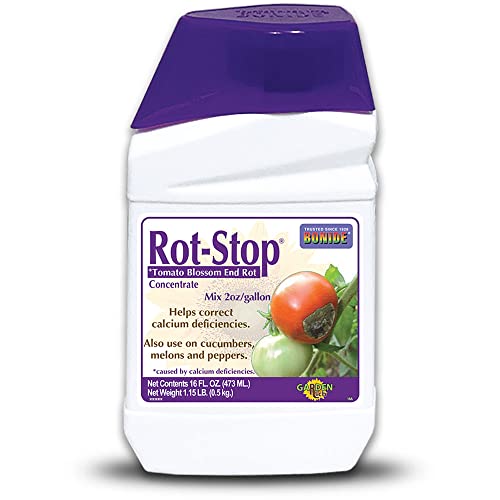
- Calcium spray for tomatoes blossom end rot
- Calcium carbonate tomato fertilizer blossom end rot prevention
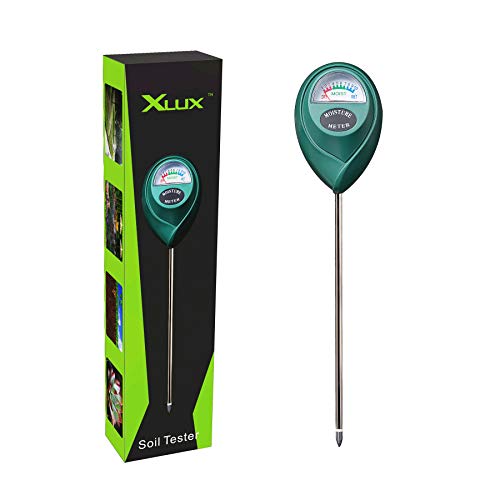
- Soil moisture meter for vegetable garden
- Mulch to stabilize soil moisture
- Watering can or soaker hose for even irrigation
- pH tester (optional) to ensure soil is in the ideal range
Before You Start
Before inspecting plants, gather the tools and ensure the working area is safe and accessible. Time estimate: 30–60 minutes for a small plot, plus ongoing monitoring. Important cautions: avoid overhead watering late in the day to reduce fungal risk, and never ignore persistent fruit damage that affects plant vigor.
Step-By-Step: How To Prevent And Treat Blossom End Rot
- Inspect affected fruits and assess the extent of rot. Remove any severely damaged tomatoes to reduce stress on the plant.
- Check soil moisture using a soil moisture meter for vegetable garden to determine whether the soil is consistently moist but not soggy.
- Water deeply and evenly at the base of the plant. Use a soaker hose or drip irrigation to maintain uniform moisture and avoid wetting foliage.
- Apply calcium spray for tomatoes blossom end rot according to label directions as a corrective measure and to protect new growth.
- Incorporate calcium carbonate tomato fertilizer blossom end rot prevention into the soil around the drip line if the test indicates calcium deficiency or slow uptake.
- Mulch around the plants with organic material to conserve moisture, regulate soil temperature, and reduce fluctuations that contribute to blossom end rot.
- Monitor soil pH and aim for a slightly acidic to neutral range (roughly pH 6.0–7.0); adjust if necessary to optimize calcium availability.
- Continue regular watering and feeding schedules. Record observations to adjust future care based on the season and weather patterns.
- Rotate tomato beds seasonally to prevent recurring soil issues and disease pressure that can complicate nutrient uptake.
- Plan proactive prevention for next season by treating the soil with calcium amendments before transplanting seedlings and establishing a consistent irrigation routine.
Troubleshooting
| Symptom | Likely Cause | Fix | Prevention |
|---|---|---|---|
| New fruit develops blossom end rot | Inconsistent watering or low calcium uptake | Strengthen irrigation schedule and apply calcium products | Use a soil moisture meter, maintain even moisture |
| Rot appears on older fruit only | General soil moisture fluctuations | Stabilize watering and mulch | Continuous moisture monitoring |
| Soil tests show low calcium | Calcium-deficient soil | Apply calcium carbonate tomato fertilizer blossom end rot prevention | Annual soil amendments |
| Overwatering symptoms (wilting with soggy soil) | Excess irrigation or poor drainage | Adjust schedule, improve bed drainage | Mulch and proper irrigation setup |
Common Mistakes
- Over-relying on calcium sprays without addressing moisture balance
- Waiting too long to respond to initial rot symptoms
- Using incorrect application rates for fertilizers or sprays
- Neglecting mulch, which helps stabilize soil moisture
- Ignoring drainage and potting mix quality in containers
Correcting blossom end rot requires addressing both calcium availability and water management. By combining targeted products with consistent care, gardeners can reduce incidence in future harvests.
Tips For Best Results
- Water deeply once or twice per week, adjusting for heat and rainfall.
- Apply calcium amendments early in the season as a preventive measure, not only after symptoms appear.
- Place a thin layer of mulch to suppress weeds and retain soil moisture.
- Use a soil moisture meter to fine-tune irrigation and avoid both drought stress and soggy soil.
- Keep leaves dry when applying foliar sprays to reduce foliar burn and disease risk.
Call A Professional
Consider professional help if blossom end rot persists after adjusting moisture and calcium inputs, if soil tests indicate severe nutrient imbalances, or if plants show signs of disease beyond nutrient issues (discoloration, patchy growth, persistent wilting). Seek expert guidance when gardening on large scales, in high-value crops, or when dealing with containers that have restricted root systems.
FAQ
What is blossom end rot and why does it happen?
Blossom end rot is a physiological disorder caused by calcium uptake issues in developing fruit, often triggered by irregular watering and environmental stress.
Can calcium sprays fix blossom end rot after fruit forms?
Calcium sprays can help protect new growth, but they are most effective when paired with consistent moisture management and soil calcium support.
Is a soil moisture meter essential for preventing blossom end rot?
Not essential, but it greatly improves watering accuracy and reduces risk of recurrence by providing real-time soil moisture data.
How long should I water tomato plants to prevent blossom end rot?
Water deeply and evenly, typically 1–2 inches per week from irrigation, adjusting for weather and soil type.
Should I remove affected fruit or can I save them?
Remove heavily affected fruit to reduce plant stress and redirect energy to healthy growth.
Does mulch help prevent blossom end rot?
Yes, mulch stabilizes soil moisture and temperature, which supports consistent calcium uptake.
When should I apply calcium amendments?
Apply calcium amendments early in the season as a preventive measure and again if soil tests show a deficiency or if symptoms appear.
Is blossom end rot a sign of disease?
No, it is a physiological disorder, though symptoms may resemble disease. Proper care and nutrition help prevent it.
Buying Guide
When selecting products to combat blossom end rot, consider size and coverage, ease of use, and compatibility with your garden setup. Key factors include:
- <bCalcium spray for tomatoes blossom end rot compatibility and label directions for foliar use; ensure it suits your tomato variety and growth stage.
- <bCalcium carbonate tomato fertilizer blossom end rot prevention formulation and soil compatibility; higher calcium content may be beneficial for heavy feeders.
- <bSoil moisture meter for vegetable garden range, durability, and ease of reading; look for probes suitable for garden beds and containers.
Consider your garden type (raised beds vs. in-ground) and your climate when choosing products. For smaller plots, a combination of a moisture meter and targeted calcium applications often yields the best results. For larger gardens, invest in a reliable irrigation system to maintain consistent soil moisture. Ask about compatibility with existing soil amendments and whether the product is suitable for edible crops. Finally, verify product availability and storage requirements to ensure long-term usefulness in different seasons.
Leave a Reply