How to Get Rid of Itching After Shaving
Post‑shaving itching is a common irritation that can result from sensitive skin, dry shaving, or using the wrong tools. With the right approach, you can soothe itch, prevent razor burn, and keep your skin feeling comfortable throughout the day. This guide outlines practical steps, tools, and tips tailored for American users.
By following a routine that prioritizes gentle exfoliation, proper lubrication, and skin‑friendly products, you can minimize irritation and enjoy smoother skin after every shave.
Quick Answer
Address itching after shaving quickly by cooling and soothing the shave area, applying a fragrance‑free moisturizer, and using tools designed for sensitive skin. Hydrate the skin pre‑ and post‑shave, avoid aggressive passes, and consider a razor burn relief product on high‑inflation days of irritation.
What You’ll Need
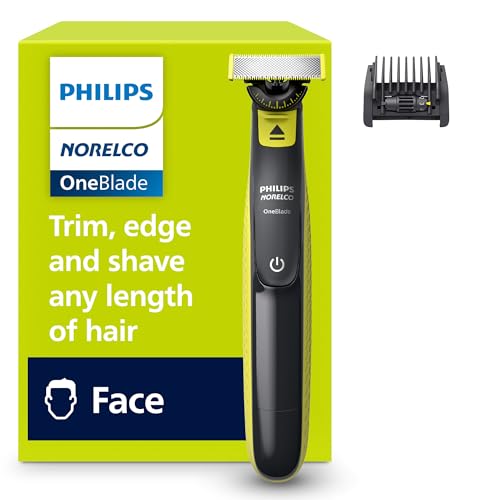
- Electric shaver for sensitive skin
- Beard trimmer for sensitive skin cooling blade
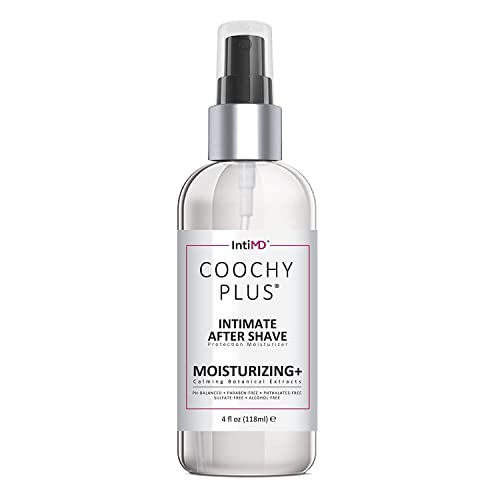
- Razor burn relief cooling wand

Before You Start
Prepare the skin with warm water to open pores, then soften hair with a mild cleanser or shave gel. If your skin tends to react, choose fragrance‑free products and test a small area first. Important safety cautions: avoid shaving over irritated patches, do not press hard with the razor, and never shave over sunburned skin. Time estimates vary by area and hair density, but allocate 10–15 minutes for a comfortable routine.
Step-By-Step: How To Get Rid Of Itching After Shaving
- Wash the shave area with lukewarm water and a gentle, non‑foaming cleanser to remove oils that can trap irritation.
- Apply a fragrance‑free shaving gel or cream to provide a protective barrier and reduce friction during shaving.
- Use an electric shaver for sensitive skin or a beard trimmer for sensitive skin cooling blade to minimize irritation by reducing blade contact pressure.
- Shave with the grain first, then lightly go across the grain if needed. Do not press the blade into the skin.
- Rinse the area with cool water and pat dry with a clean towel to reduce heat and inflammation.
- Apply a razor burn relief cooling wand or a soothing, fragrance‑free moisturizer to calm red, irritated skin.
- If itching persists, apply a thin layer of aloe vera gel or an unscented ointment to maintain moisture and support healing.
- Avoid touching or scratching the area to prevent further irritation or infection. Reapply moisturizer as needed throughout the day.
- Consider adjusting your routine on sensitive days by using a gentler tool, delaying shaving when skin is inflamed, or shaving in the evening to allow skin to recover overnight.
- Track reactions to different products and tools to identify the most skin‑friendly combination for ongoing use.
- Practice a weekly exfoliation with a mild scrub or chemical exfoliant suitable for sensitive skin to prevent clogged follicles and ingrown hairs.
- Maintain a consistent skincare routine focusing on hydration, barrier repair, and sun protection if the skin is exposed after shaving.
Troubleshooting
| Symptom | Likely Cause | Fix | Prevention |
|---|---|---|---|
| Persistent itching after shaving | Dry, irritated skin or harsh products | Switch to fragrance‑free products; add a soothing balm | Hydrate skin daily; test products on small areas |
| Red, inflamed patches | Razor burn or improper shaving angle | Shave with the grain; use a cooling wand after shaving | Use a protective gel and a softer approach |
| Itching that worsens during the day | Insufficient moisture or environmental triggers | Apply a fragrance‑free moisturizer more often | Keep skin moisturized; wear breathable fabrics |
| Rash or bumps after shaving | Allergic reaction or bacterial irritation | Stop irritants; cleanse area and consider an antiseptic on small patches | Use clean tools; store properly; replace dull blades |
Common Mistakes
- Shaving dry skin or without sufficient lubrication
- Applying heavy fragrances or alcohol‑based products post‑shave
- Using dull blades or pressing too hard during shaving
- Ignoring signs of irritation and continuing the same routine
Preventing itching begins with a gentle approach. Avoid multitasking routines that irritate skin and prioritize products made for sensitive skin. Small changes, like a cooling wand after shaving, can make a big difference over time.
Tips For Best Results
- Always test new products on a small patch of skin before full application.
- Use lukewarm water rather than hot water to cleanse and rinse the area.
- Opt for fragrance‑free moisturizers and avoid high alcohol content products.
- Keep your shaving tools clean and dry to prevent bacterial buildup.
- Hydrate from the inside by drinking enough water daily to support skin health.
Call A Professional
Seek a professional if itching persists beyond two weeks, there are open sores, signs of infection (pus, severe redness, warmth), or if the skin reacts severely to products. If you struggle to find a routine that reduces irritation, a dermatologist can tailor recommendations to your skin type and ensure you’re not dealing with an underlying condition.
FAQ
What causes itching after shaving?
Itching after shaving is often due to dry skin, razor burn, or an irritated skin barrier, especially in sensitive skin types.
Can I use regular moisturizer after shaving?
Yes, but choose a fragrance‑free, hypoallergenic moisturizer to minimize irritation.
Is an electric shaver better for sensitive skin?
Many users report less irritation when using an electric shaver designed for sensitive skin, as it reduces direct blade contact and friction.
When should I see a doctor for shaving itch?
See a doctor if itching is persistent, there are signs of infection, or rash worsens despite at‑home care.
What’s the role of exfoliation in reducing itching?
Gentle exfoliation helps prevent clogged follicles and ingrown hairs that can trigger itching, but avoid harsh scrubs on inflamed skin.
Buying Guide
When selecting tools and products to prevent itching after shaving, consider these factors:
- Size and grip: Comfortable handling reduces accidental pressure on the skin.
- Noise level and electrical efficiency: Look for energy‑efficient models if you prefer quiet operation.
- Skin compatibility: Choose devices marketed for sensitive skin and fragrance‑free products.
- Controls and settings: Adjustable speed or cutting lengths helps tailor the routine to your skin.
- Placement and storage: Compact, easy‑to‑clean devices reduce contamination risk.
Comparison perspectives include how the electric shaver for sensitive skin handles fine hairs, how the beard trimmer for sensitive skin cooling blade performs with damp or dry hair, and how the razor burn relief cooling wand delivers immediate cooling relief. Consider whether you want a single multifunction device or separate tools for shaving and aftercare. Ultimately, the right combination minimizes friction, supports skin healing, and keeps itching in check.
Leave a Reply