How to Clean Vinyl Seats in a Boat
Vinyl seating on boats combines comfort with durability, but exposure to sun, salt, and spills can leave it dull or stained. Proper cleaning restores color, extends lifespan, and keeps interiors looking fresh. This guide provides a practical, step-by-step approach tailored to American boaters using common cleaning supplies and safe techniques.
Quick Answer
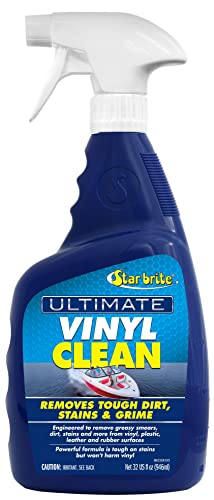
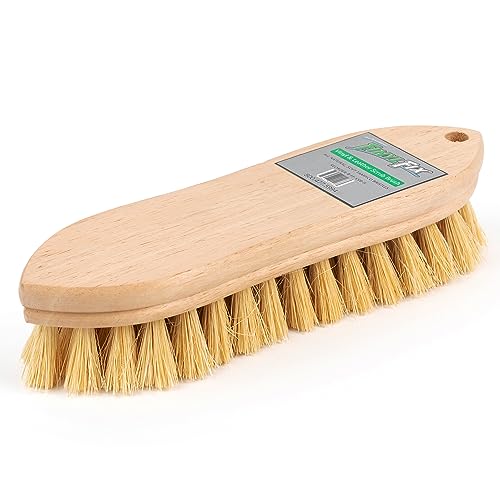
Begin with marine vinyl cleaner spray for boat seats to loosen grime, scrub with a soft bristle detail brush marine vinyl cleaning, rinse with clean water, and dry with microfiber cleaning cloths boat vinyl upholstery care kit for best results. For stubborn stains, repeat and allow a short dwell time before rinsing.
What You’ll Need
- Marine vinyl cleaner spray for boat seats
- Soft bristle detail brush marine vinyl cleaning
- Microfiber cleaning cloths boat vinyl upholstery care kit
- Warm water in a bucket
- Optional vinyl protectant or conditioner

Before You Start
Prepare a shaded workspace on the boat or do cleaning after use to avoid rapid drying and streaks. Test any cleaner on a small, inconspicuous area first to ensure there is no discoloration. Wear gloves to protect skin and ensure proper ventilation. Time estimate: 20–45 minutes per seating area, depending on condition. Do not use bleach or abrasive scrubbers, as they can damage the vinyl’s surface and color.
Step-By-Step: How To Clean Vinyl Seats On A Boat
- Remove loose debris from the seats using a dry microfiber cloth or soft brush.
- Apply a light mist of marine vinyl cleaner spray for boat seats to the vinyl surface.
- Let the cleaner sit for 2–3 minutes to begin breaking down oils and stains.
- Using a soft bristle detail brush marine vinyl cleaning, gently scrub in circular motions on stained or heavily soiled areas.
- Rinse the surface with clean water from a spray bottle or damp sponge to remove cleaner and loosened grime.
- Wipe the seats dry with a clean microfiber cleaning cloths boat vinyl upholstery care kit, tilting to remove excess moisture.
- Repeat any stubborn spots if necessary, then allow the seats to air-dry completely.
- Optionally apply a vinyl protectant or conditioner after drying to restore flexibility and UV resistance.
- Inspect seams and stitching for wear and address any issues with appropriate repairs if needed.
- Store supplies in a dry, accessible area for the next cleaning session and note any persistent stains for future treatment.
Troubleshooting
| Symptom | Likely Cause | Fix | Prevention |
|---|---|---|---|
| Discoloration after cleaning | Dwell time too long or incompatible cleaner | Rinse thoroughly and test cleaner on a hidden area first | Use products labeled for marine vinyl and follow instructions |
| Sticky residue | Leftover cleaner or film | Rinse with fresh water and wipe dry | Use a damp wipe-down after cleaning and dry completely |
| Fading color | Sun exposure and harsh chemicals | Choose UV-protective vinyl products and limit sun exposure during cleaning | Regular maintenance with UV protectant |
| Cracking or stiffening | Old, degraded vinyl | Replacements or professional restoration | Seasonal conditioning and sun protection |
Common Mistakes
- Using household cleaners with harsh chemicals that damage vinyl
- Scrubbing aggressively with rough brushes or scouring pads
- Not drying seats thoroughly, which can lead to mold or mildew
- Skipping a test patch on an inconspicuous area
Tips For Best Results
- Clean on a cool day or in shade to prevent rapid drying and streaks
- Work in small sections for even cleaning and better stain control
- Use microfiber cloths to minimize lint and achieve a smooth finish
- Follow up with a UV-protectant to keep colors vibrant longer
Call A Professional
Consider a professional if vinyl seats show deep cracking, stubborn permanent stains, or persistent odor that does not improve with routine cleaning. If seat foams are wet, moldy, or if there are structural tears, seek expert attention promptly. Stop cleaning and consult a pro when you notice color bleed, excessive fading, or compromised seating integrity.
FAQ
Can I use a household cleaner on boat vinyl?
Avoid household cleaners not designed for marine vinyl; they can cause color fading or surface damage.
Should I wax or polish vinyl seats?
Do not wax vinyl; instead use a vinyl conditioner with UV protection to preserve flexibility and color.
How often should I clean boat vinyl seats?
Light cleaning monthly with a thorough check every season helps maintain appearance and longevity.
What if stains won’t come out?
Try a dedicated vinyl cleaner and soft brushing; for persistent stains, a professional cleaning may be needed.
Is it safe to use a steam cleaner on vinyl?
Steam can distort or damage vinyl; use only approved cleaners and gentle scrubbing.
Buying Guide
When selecting products to care for boat vinyl seats, consider size, noise level, energy efficiency, controls, and placement. Look for a marine-grade vinyl cleaner spray that is safe for sun-exposed surfaces and easy to apply with a microfiber cloth. A soft bristle detail brush should be gentle enough to avoid scuffing while effective on embedded grime. A practical care kit that includes microfiber cloths offers convenience and consistency for regular upkeep. For best results, choose a kit and cleaners that specify marine use and UV protection to extend the life of upholstery.
Size matters: choose a cleaner and towels that fit your typical seating area without excessive waste. Noise levels are less of a concern for boat cleaning, but compact, hand-held spray bottles and brushes reduce bulk in tight cabins. Energy efficiency isn’t a major driver for manual cleaning, but efficient spray bottles minimize product waste. Controls should be simple and intuitive, enabling quick cleanups between trips. Placement of cleaners—in a waterproof hatch or cockpit locker—should keep them accessible yet protected from sun exposure. Finally, consider whether you prefer a one-step cleaner or a two-step routine with conditioner for added protection.
Leave a Reply