How to Clean and Shine Hardwood Floors
Maintaining the natural beauty of hardwood floors involves choosing the right cleaner, using the proper tools, and applying protective finishes to restore luster without damaging the wood. This guide provides practical steps for American households to effectively clean and shine hardwood floors, whether they are sealed wood, laminate, or real hardwood.
By following the procedures below, homeowners can minimize scratches, preserve finish, and keep floors looking refreshed. The approach emphasizes gentle, pH-balanced cleaning and careful polishing to achieve a lasting shine while protecting the flooring surface.
Quick Answer
Clean with a pH-neutral cleaner on sealed wood floors to avoid dulling the finish, then buff with a microfiber mop and finish with a lightweight polish or sealer spray if shine is lacking. For best results, apply products sparingly and follow label directions.
What You’ll Need
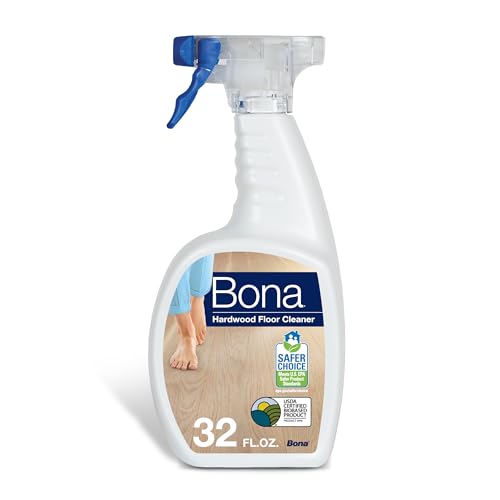
- pH-neutral hardwood floor cleaner spray 32 oz for sealed wood floors
- 18-inch microfiber mop for hardwood floors with non-scratch pads
- wood floor polish and sealer spray to restore shine on laminate and real wood floors


Before You Start
Prepare the space by removing area rugs and loose debris to prevent scratches. Vacuum or sweep with a soft-bristle attachment, then wipe with a dry microfiber cloth to pick up fine dust. Check floor type and finish, since unfinished or distressed floors may require different care. Never saturate wood floors with water; excess moisture can seep into seams and cause warping. Allow the floor to acclimate to room conditions if recent refinishing was completed.
Estimated time: 30–60 minutes for a full room, depending on size. Always test a small, inconspicuous area first when using a new product to ensure compatibility with the finish.
Step-By-Step: How To Clean And Shine Hardwood Floors
- Remove loose dirt with a quick vacuum or dry sweep using a soft bristle head to minimize scratching on the wood surface.
- Spray a pH-neutral hardwood floor cleaner lightly onto the floor or onto the mop, following label directions for dilution if required.
- Wipe the floor with an 18-inch microfiber mop for hardwood floors, moving in the direction of the grain. Avoid circular scrubbing that can dull the finish.
- Rinse the mop frequently and ensure the pad remains damp, not soaking wet, to prevent water penetration.
- For dull patches, apply a light coat of wood floor polish and sealer spray to restore shine, then buff with the microfiber pad for an even finish.
- Allow treated areas to dry completely before walking on them; keep humidity and temperature stable to help the finish set properly.
- Spot-clean spills promptly with a damp cloth and a small amount of cleaner if needed to prevent staining or damage.
- Periodically re-evaluate the floor’s finish and reapply polish or sealer as recommended by product instructions to maintain luster.
Troubleshooting
| Symptom | Likely Cause | Fix | Prevention |
|---|---|---|---|
| Dull or hazy finish after cleaning | Residue from cleaner or over-wetting | Use a clean, damp mop and dry thoroughly; re-wipe with a dry microfiber pad | Follow label directions; vacuum or dry sweep before cleaning |
| Streaks after polishing | Uneven application or buildup | Apply in small sections and buff evenly | Test a small area first; don’t over-apply polish |
| Water spots or warping | Excess moisture | Wring mop well; use minimal moisture | Use damp, not wet, cloths; promptly dry spills |
| Scratches after cleaning | Harsh cleaning tools | Switch to soft microfiber pads and non-scratch tools | Regularly inspect mop pads for wear |
Common Mistakes
- Using soap-based cleaners that leave residue and dull the finish
- Soaking floors with water or liquid cleaners
- Aggressive scrubbing that penetrates the finish or reveals wear patterns
- Skipping a test area before applying polish or sealer
Tips For Best Results
- Keep door mats dry to minimize tracked dirt entering rooms with hardwood floors.
- Maintain a consistent cleaning schedule to prevent buildup of dust and grime.
- Choose products compatible with both laminate and real wood surfaces when applicable.
- Buff with a clean, dry microfiber pad after polishing to maximize shine.
- Control humidity in living spaces to reduce wood expansion and contraction that can affect finish.
Call A Professional
Consider a pro if floors show deep scratches, water damage, or finish wear beyond routine cleaning. Stop-and-sight signs include persistent discoloration, peeling finish, warped planks, or stubborn stains that resist standard cleaners. A flooring technician can assess the finish type and recommend suitable refinishing or resealing options.
FAQ
What kind of cleaner is best for sealed hardwood floors?
A pH-neutral hardwood floor cleaner spray that is designed for sealed wood floors is ideal for maintaining finish without buildup.
Can I use an all-purpose spray on hardwood floors?
Avoid all-purpose cleaners unless specifically labeled for hardwood floors; they can leave residues or damage finishes.
Is it safe to use a mop with water on hardwood floors?
Use water sparingly and prefer damp cloths or mops with low moisture to prevent water damage.
How often should I polish hardwood floors?
Polishing frequency depends on foot traffic and the floor finish; follow manufacturer guidelines and assess shine levels periodically.
What should I do about dull patches?
Apply a light coat of wax or polish as recommended by the finish manufacturer, then buff evenly to blend with surrounding areas.
Is professional refinishing necessary over time?
Yes, if the finish wears through or there are deep scratches, a professional refinishing can restore the floor’s appearance and protection.
Buying Guide
When choosing products to clean and shine hardwood floors, consider size, coverage, and compatibility with your floor type. Look for a pH-neutral cleaner that is safe for sealed wood and a microfiber mop designed for hardwood floors to minimize scratches. If you want extra shine, a dedicated wood floor polish and sealer spray can restore luster to both laminate and real wood floors. Pay attention to control features on sprayers or mops to avoid overspray, and ensure products are appropriate for your specific finish, whether matte, satin, or gloss. Noise level and ease of use matter for households with pets or children, as do storage and warranty considerations. Before purchasing, compare packaging sizes, read label directions, and verify compatibility with your floor’s sealant or finish. If you live in a multi-room home with varying floor types, consider a versatile kit that covers multiple surfaces without harming finishes. Would you prefer a single-brand system or mix-and-match options based on floor condition? A balanced approach helps achieve consistent results across rooms.
Leave a Reply