How to Get Rid of Rancid Paint Smell on Walls
Fresh paint can brighten a room, but lingering odors, especially a rancid or chemical smell, can be uncomfortable. This guide walks through practical, step-by-step methods to reduce and remove paint odors from walls in American homes. It covers prep, odor-neutralizing products, and long-term strategies to keep indoor air clean and welcoming.
Quick Answer
Quick steps include ventilating the space, using odor-absorbing products, and applying primers or cleaners designed for walls. For persistent odors, combine an enzymatic odor neutralizer with air purification and proper sealing to prevent rebound odors.
What You’ll Need
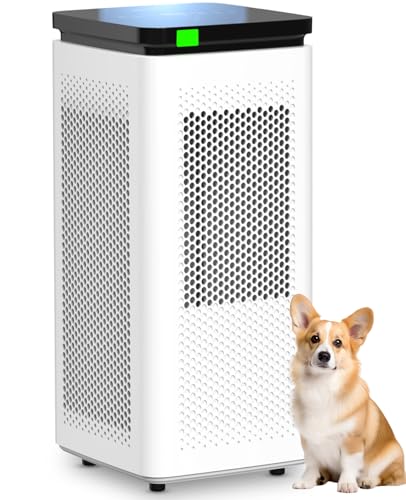
- Activated carbon air purifier for odors large room HEPA carbon filter
- Odor blocking interior primer shellac-based interior primer for walls
- Enzymatic odor neutralizer spray for walls


Before You Start
Preparing the space properly can dramatically improve odor removal results. Move furniture away from walls, cover floors and remaining surfaces, and ensure good ventilation by opening windows and doors. If possible, run a fan to create cross-ventilation and direct airflow toward the outdoors. Always wear protective gear such as gloves and a mask when dealing with solvents, primers, and cleaners. Odors from paints can be strong and may irritate sensitive individuals, so plan for time and fresh air.
Step-By-Step: How To Remove Paint Odors From Walls
- Ventilate the room extensively by opening all windows and doors. Use a household fan to push stale air toward a window or exterior door.
- Identify the odor source. If it seems concentrated near recently painted surfaces, prioritize those walls for treatment and sealing.
- Place an activated carbon air purifier for odors large room HEPA carbon filter nearby to capture volatile organic compounds (VOCs) and help reduce the smell in real time.
- Lightly scrub walls with a mild detergent solution to remove surface oils and residues that can trap smells. Rinse with clean water and allow to dry completely.
- Apply an odor blocking interior primer shellac-based interior primer for walls to seal in odors from the paint. Follow label directions for drying times before painting or decorating again.
- Use an enzymatic odor neutralizer spray for walls on areas with persistent odor after priming. Enzymes break down odor-causing compounds at the source.
- Return to conditioning the space with regular air exchange. Open windows during warm days and run the purifier or a fan continuously for several days if odors linger.
- If odors remain after initial treatment, repeat primer sealing and enzymatic spray steps and consider running the purifier for additional days until scent levels drop.
- Keep humidity levels moderate. Use a dehumidifier if needed, as high humidity can intensify odors and slow off-gassing.
- Monitor for rebound odors over the following weeks. If scents reappear after cleaning, reassess ventilation and consider applying a second layer of primer or additional odor-control products as recommended by manufacturers.
Troubleshooting
| Symptom | Likely Cause | Fix | Prevention |
|---|---|---|---|
| Persistent rancid smell after painting | Odors trapped in walls or new paint solvents | Apply shellac-based odor-blocking primer; use enzymatic odor neutralizer | Ensure thorough ventilation during and after painting |
| Odor returns after several days | Insufficient sealing or high humidity | Reapply primer and use dehumidification | Control moisture and maintain airflow |
| Air purifier seems ineffective | Filter saturation or inadequate coverage | Replace filters and reposition purifier for better airflow | Run purifier continuously during peak odor periods |
| Surface residue after cleaning | Strong solvents or improper scrubbing | Use a milder cleaner or test a small area first | Follow product guidelines and avoid harsh scrubbing |
Common Mistakes To Avoid
- Relying on air fresheners alone without addressing the source.
- Skipping ventilation during and after applying primers or cleaners.
- Using water-based primers on heavily odor-laden walls; shellac-based primers are often more effective.
- Overlooking humidity control, which can prolong off-gassing.
Addressing the odor at its source and maintaining airflow are essential. Consumers often underestimate the power of a good primer and a robust deodorizing strategy.
Tips For Best Results
- Use a shellac-based interior primer for walls on new or heavily scented surfaces to seal odors effectively before repainting.
- Deploy an activated carbon air purifier in the room for continuous odor removal, especially during and after painting.
- Time the process to allow adequate drying and airing between steps. Rushing sealing or spraying can trap odors.
- Keep doors slightly open during drying periods to improve air exchange without drafts affecting cleanup.
- Test products on inconspicuous wall areas first to ensure compatibility with existing paint and finishes.
Call A Professional
Consider contacting a professional if:
- Odors persist after using a primer and enzymatic spray for more than a week.
- There is visible moisture damage or mold growth in walls, which can worsen odors and cause health concerns.
- Any off-gassing is accompanied by headaches, dizziness, or respiratory irritation that does not subside with ventilation.
FAQ
What is the most effective product for hiding paint odors?
The combination of an odor blocking interior primer and ongoing odor management with an activated carbon air purifier provides strong odor control for most spaces.
How long should I run ventilation after painting?
Run ventilation continuously for at least 48–72 hours, and extend if odors linger, especially in humid conditions.
Are enzymatic cleaners safe for walls?
Yes, when used as directed. They target odor-causing compounds and are generally safe for painted wall surfaces.
Can I repaint right after odor control primers dry?
Yes, after the primer fully dries and odors are reduced, you can proceed with repainting, following manufacturer guidelines for curing times.
Buying Guide
Choosing the right odor-control approach depends on room size, wall conditions, and the intensity of the smell. Consider the following factors to make an informed choice:
- Size and layout: Larger rooms benefit from a high-capacity activated carbon air purifier and multiple air changes per hour.
- Noise level: Look for purifier models with quiet operation if the room doubles as a living or sleeping area.
- Energy efficiency: Energy-efficient purifiers reduce running costs during extended odor-management periods.
- Controls: Simple, intuitive controls help maintain consistent deodorizing cycles without guesswork.
- Placement: Position purifiers away from walls and corners to maximize air intake and distribution.
- Material compatibility: Shellac-based primers are powerful odor blockers but test coverage on each paint type before full application.
- Maintenance: Plan for filter replacements and surface cleaning schedules to sustain odor control over time.
Would you rather tackle odors with a single strong primer or a combination of odor blockers and continuous purification? Most homes benefit from a layered approach: seal odors with primer, neutralize remaining smells with enzymatic sprays, and maintain air quality with an active purifier. This balanced strategy typically yields the best long-term results without harsh odors lingering after cleaning.
Leave a Reply