How to Get Rid of Gnats on the Patio
Gnats can turn outdoor time into a frustrating experience, especially on warm evenings when they swarm around potted plants, fruit bowls, and outdoor dining areas. This guide offers practical, evidence-based steps to reduce gnats on a patio using common consumer products and simple home tactics.
The goal is to create a less inviting environment for gnats, using targeted traps, quick-dense fixes, and smart maintenance to minimize re-infestations while keeping outdoor spaces comfortable and pest-free.
Quick Answer
Start with a mix of outdoor fruit fly traps for patio and sticky gnat traps for patio placed near problem areas, then add an electric bug zapper for outdoor patio to reduce flying adults. Remove breeding sources, improve air circulation, and dry damp spots to curb larvae growth.
What You’ll Need
- Outdoor fruit fly traps for patio
- Sticky gnat traps for patio
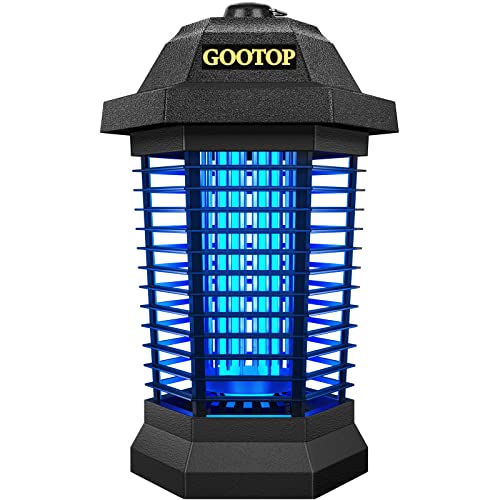
- Electric bug zapper for outdoor patio


Before You Start
Assess shady corners, potted plant bases, and any organic debris that can attract gnats. Clear standing water and prune damp vegetation. Plan the placement of traps in zones where you spend the most time: near seating, grill areas, and kitchen doorways. Safety note: keep electric devices away from water, and follow product instructions for any traps or zappers you deploy. Time to set up varies by space but budget 30–60 minutes for initial setup and adjustments.
Step-By-Step: How To Remove Gnats From The Patio
- Identify hotspots where gnats congregate, such as fruit bowls, compost, and damp soil near plants.
- Place outdoor fruit fly traps for patio near these hotspots to lure and capture adults.
- Position sticky gnat traps for patio at ground level and on vertical surfaces within arm’s reach of seating areas.
- Set up an electric bug zapper for outdoor patio in a central, dry location away from food and seating to attract and kill flying gnats.
- Remove or cover ripe fruit and promptly dispose of any spoiled produce inside a sealed container.
- Check traps daily for the first week and replace or refresh lures and sticky sheets as needed.
- Water plants in the morning rather than the evening to minimize lingering humidity in outdoor corners.
- Improve drainage and temporarily reduce irrigation to lower moisture that gnats use for breeding.
- Vacuum or sweep away gnats that accumulate on decks or tables to interrupt breeding cycles.
- Reassess and reposition traps after a week to maximize coverage and adapt to changing sun and wind patterns.
- Maintain a weekly patrol of debris, plant litter, and damp mulch to prevent re-infestation.
Troubleshooting
| Symptom | Likely Cause | Fix | Prevention |
|---|---|---|---|
| Gnats persist after traps are in place | Food sources or breeding sites nearby | Remove attractants, such as ripe fruit and standing water | Regular cleaning and debris removal |
| Traps fill quickly but gnats return | Ventilation is insufficient; humidity remains high | Improve airflow; reduce irrigation and shaded damp areas | Strategic trap placement and ongoing maintenance |
| Gnats cling to plants and soil | Moist soil and organic matter | Let soil dry between waterings; replace top layer of mulch | Use well-draining pots and clean planters |
| Electric zapper not attracting gnats | Positioning or power issues | Move zip cord or battery; ensure lamp is clean | Place away from direct wind; clean regularly |
Common Mistakes
- Relying on a single trap type instead of combining attractants and deterrents
- Ignoring damp areas and plant debris that serve as breeding grounds
- Placing traps where gnats cannot reach or where they are blocked by furniture
- Not refreshing sticky traps and baited attractants in a timely manner
By diversifying tools and maintaining the area, gnats are less likely to persist in outdoor living spaces.
Tips For Best Results
- Use traps at multiple heights—gnats fly at various levels, so include ground-level and mid-height placements.
- Keep traps clean and replace lures as directed by product instructions to maintain effectiveness.
- Rotate trap locations monthly to cover unseen corners where gnats hide.
- Combine traps with good sanitation: promptly discard fruit and sanitize outdoor tables after meals.
- Consider weather patterns; hot, humid days may require more frequent trap checks and maintenance.
Call A Professional
Seek professional help if gnats persist after two full treatment cycles or if you notice signs of hidden breeding sites, such as persistent damp mulch or unusual plant damage. If you have a severe allergy or a pest control plan involving pesticides, consult a licensed technician before applying any chemical treatments.
FAQ
What is the best placement for outdoor fruit fly traps for patio?
Place traps near attractant sources, entry points, and seating areas, avoiding direct exposure to rain and strong winds.
Do sticky gnat traps for patio work indoors too?
Sticky traps can work in covered patios and entryways, but they are most effective in outdoor spaces with access to ventilation and airflow.
Will an electric bug zapper help with gnats?
Yes, an electric bug zapper for outdoor patio can reduce adult gnats by attracting them with light, but should be used with other controls for best results.
How long does it take to see results from these methods?
Most yards notice a reduction within 1–2 weeks with consistent trap use, moisture reduction, and sanitation.
Buying Guide
Choosing the right tools to control patio gnats involves several factors. Consider size and layout of the patio, expected insect pressure, and how the space is used. Evaluate noise and power needs for electric devices, and reflect on energy efficiency for longer-term use. Here are key buying factors to help you compare options:
- Trap type and coverage: Balance between outdoor fruit fly traps for patio and sticky gnat traps for patio to maximize capture, especially near fruit, plants, and seating areas.
- Electric options: If choosing an electric bug zapper for outdoor patio, assess light range, bulb life, and energy usage for ongoing operation.
- Placement flexibility: Look for traps and zappers that work well on decks, steps, and under eaves, with weather-resistant housings.
- Maintenance: Favor traps with easy-to-replace inserts and simple cleaning to encourage frequent use.
- Safety and placement: Ensure devices are kept away from food prep zones and children, and follow all safety instructions for outdoor electrical devices.
- Cost vs. value: Compare initial setup with ongoing maintenance; durable traps and replaceable components offer long-term savings.
- Noise and light considerations: For quiet evenings, prefer traps with minimal audible noise and consider the lighting footprint of electric zappers.
- Climate suitability: Choose products rated for your climate (humidity, heat, and seasonal weather) to maintain effectiveness year-round.
With the right combination of trapping, sanitation, and smart placement, patio gnats can be significantly reduced. Ready to reclaim outdoor time with confidence and ease?
Leave a Reply