How to Get Rid of Ivy on Trees: A Practical Guide
Ivy on trees can damage bark, restrict growth, and create a home for pests. This guide outlines safe, effective methods to remove ivy without harming the tree, using common gardening tools and careful technique.
Quick Answer
Begin by cutting ivy at the base and removing the vines from the trunk using a long-reach tool, then gradually detach and clean the ivy from the canopy. Use pruning tools to deal with stubborn sections, and monitor the tree for regrowth in the following seasons.
What You’ll Need
- ivy removal tool long-reach garden rake pruning tool for trees
- telescoping tree lopper pruning shears for ivy vines
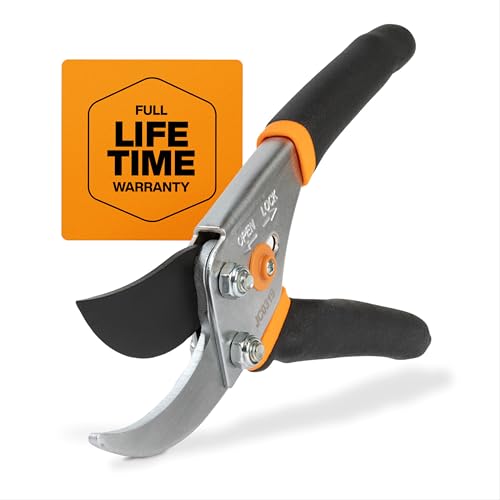
- manual pruning shears bypass cutter for ivy vines pruning


Before You Start
Assess the ivy’s coverage and the tree’s health. Wear gloves, long sleeves, and eye protection. Work on dry days to minimize damage to the bark, and avoid pulling with force around weak or diseased branches. Mark off the area to keep pets and children away, and plan for multiple sessions if the ivy is dense. Time estimates vary: light ivy may take 1–2 hours, while heavy growth could require several sessions over weeks.
Step-By-Step: How To Remove Ivy From Trees
- Start at the base: Use a long-reach tool to sever ivy at ground level, ensuring you do not damage the tree’s roots or nearby plants.
- Detach from the trunk: Gently work ivy away from the bark, taking care not to peel bark or create wounds.
- Cut climbing sections: With pruning shears, trim large vines into manageable lengths to prevent tearing bark as you pull.
- Remove from the canopy: For high branches, use the telescoping lopper to cut ivy where it grips, then slowly lower the cut pieces.
- Dispose properly: Bag or basket the ivy clippings to prevent re-rooting elsewhere in the yard.
- Inspect for roots and new growth: Check for persistent ivy roots or new shoots at the base, and repeat steps as needed.
- Monitor regrowth: In spring and early summer, check for fresh shoots and promptly remove them.
- Post-removal care: Treat any wounds with a tree-safe sealant if large bark damage occurred, and keep the area mulched but not piled against the trunk.
Troubleshooting
| Symptom | Likely Cause | Fix | Prevention |
|---|---|---|---|
| Ivy reappears after removal | Underground roots or missed shoots | Re-check base, remove remaining roots | Regular maintenance and early removal |
| Bark damage during removal | Vines tightly bonded or brittle bark | Pause, use lighter cuts, or hire a pro | Work slowly and avoid pulling on delicate areas |
| Tool snagging on branches | Dense ivy or thick stems | Switch to longer reach tool, cut into sections | Plan routes before pulling |
| Exposed soil erosion after removal | Bare soil around base | Apply mulch to protect roots | Maintain a mulch ring and avoid piling against trunk |
Common Mistakes
- Pulling ivy quickly from bark, causing damage
- Forgetting to remove underground roots
- Ignoring safety gear or working from unstable positions
- Rushing removals in windy or wet conditions
Tips For Best Results
- Work in cool mornings to avoid heat stress on the tree and yourself.
- Use a ladder cautiously and always have a spotter when reaching high areas.
- Combine mechanical removal with occasional herbicide options only if appropriate for your tree species and local regulations.
- Keep a detailed map of areas where ivy grew to track regrowth effectively.
Call A Professional
Seek professional help if ivy covers a large portion of the tree, the trunk shows significant bark damage, or the tree is on a slope or near power lines. Stop and contact an arborist when there is extensive canopy loss, suspected disease, or if you are uncertain about safety during high-reach work.
FAQ
Is it best to remove ivy in winter or summer?
Removal is generally easiest in dry seasons; avoid wet, slippery conditions to reduce damage to the tree.
Will ivy damage a mature tree if left alone?
Untreated ivy can girdle the trunk, suppress growth, and invite pests, so removal is recommended when feasible.
Can I use herbicide to kill ivy on trees?
Herbicide use near trees should be done carefully and according to label directions; consult a professional if unsure.
How long does ivy removal take?
It depends on the extent of growth; small infestations may take a few hours, while heavy coverage may require multiple sessions.
Should I remove ivy from roots or just vines?
Both should be addressed to prevent regrowth; remove surface vines and any exposed roots at the base.
What about regrowth in the next season?
Regular monitoring helps catch new shoots early and reduces the chance of reestablishment.
Buying Guide
When choosing tools for ivy removal, consider size, reach, and ease of use. A long-reach garden rake or pruning tool helps with base cuts, while a telescoping tree lopper makes it possible to reach higher vines without climbing. Manual pruning shears offer precise cuts for ivy vines, and bypass cutters can handle thicker stems with cleaner cuts. Look for ergonomic handles, corrosion-resistant blades, and secure locking mechanisms. For homes with tall trees, consider tools with extended reach and sturdy construction. Assess the tree’s height, the ivy’s spread, and your comfort level with height work before purchasing.
Leave a Reply