How to Clean a Crystal Vase
Crystal vases add elegance to a dining table or shelf, but their delicate edges and subtle etchings require careful cleaning. This guide walks through safe, effective methods to restore clarity without risking damage. Readers will find practical steps, the right tools, and common-sense precautions for homes across the United States.
Quick Answer
For most crystal vases, use warm water, a mild dish soap, and a soft-bristled brush to clean the interior. Rinse thoroughly, dry with a microfiber cloth, and avoid abrasive cleaners or rough sponges. For stubborn residue, a dedicated vase cleaning brush can help reach tight corners without scratching the surface.
What You’ll Need
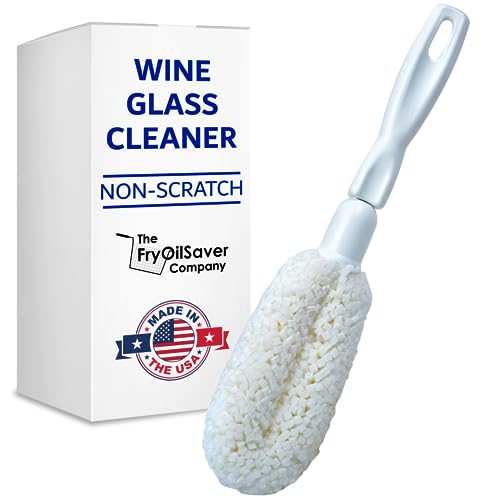
- delicate glass vase cleaning brush soft bristles bottle brush
- silicone vase cleaning brush for crystal glassware
- microfiber polishing cloth glassware crystal cleaning


Before You Start
Work on a clean, stable surface with adequate lighting. Remove any decorative fillers carefully to avoid chipping. Use warm — not hot — water to prevent thermal shock that could crack crystal. If the vase has a narrow neck, plan to tilt gently or use a brush with a long handle to reach the interior. Allow the vase to come to room temperature before cleaning if it was recently used for iced beverages or cold water.
Step-By-Step: How To Clean A Crystal Vase
- Fill the vase with warm, soapy water using a mild dish detergent; let it sit for 5–10 minutes to loosen mineral deposits.
- Swirl gently with a delicate glass vase cleaning brush soft bristles bottle brush to dislodge any build-up without scratching the crystal.
- For hard-to-reach areas, insert the silicone vase cleaning brush for crystal glassware and scrub with light pressure in circular motions.
- Rinse thoroughly with lukewarm water, ensuring all soap residue is removed from both interior and exterior surfaces.
- If water spots persist, fill with clean water and add a drop of white vinegar; rinse again after a few minutes.
- Drain and dry the vase upright with a microfiber polishing cloth glassware crystal cleaning, or set on a soft towel to air-dry completely.
- Use a dry microfiber cloth to buff exterior surfaces, enhancing shine and removing any final streaks.
- Store the vase in a safe, dust-free area or return it to its display with similar items to prevent contact damage.
Troubleshooting
| Symptom | Likely Cause | Fix | Prevention |
|---|---|---|---|
| Cloudy appearance after washing | Soap residue or hard water minerals | Rinse thoroughly, repeat with clean water; consider white vinegar | Use distilled or filtered water when possible |
| Scratches or faint hazing | Rubbing with abrasive material | Switch to a soft-bristled brush and avoid rough sponges | Handle gently; never use metal or coarse cleaners |
| Streaks on exterior | Residual moisture or improper drying | Dry with a microfiber cloth using circular motions | Dry promptly after rinsing |
| Interior staining from liquids | Persistent minerals or dyes | Short bleach-free soak with a compatible vase cleaner, then rinse | Prompt cleaning after use of strongly colored liquids |
Common Mistakes
- Using abrasive brushes or scouring pads on crystal surfaces
- Soaking for too long with concentrated cleaners
- Using hot water that can stress or crack crystal
- Ignoring drying to remove micro-scratches or water spots
Sticking to gentle cleaning methods preserves sparkle while reducing the risk of damage.
Tips For Best Results
- Test any cleaner on a small, inconspicuous area before full immersion
- Rinse with distilled water to minimize mineral deposits
- Use a dedicated vase brush to avoid repeated contact with fragile lips
- Polish exterior after drying to boost shine without streaks
- Protect the vase during storage by wrapping in soft cloth or placing in a padded cabinet
Call A Professional
Consider contacting a professional restorer if the crystal shows deep scratches, cracks, or significant mineral deposits that do not respond to standard cleaning. Signs to seek help include visible cracks around the rim, flaking edges, or a persistent hazy film after multiple cleanings. If you rely on the vase for cherished heirlooms or antique pieces, expert assessment is prudent.
FAQ
Can I use ordinary dish soap on crystal?
Yes, a mild dish soap works for routine cleaning, but avoid harsh chemicals that can dull brilliance or etch the surface.
Is hot water safe for crystal vases?
No. Hot water can cause thermal shock and crack fragile crystal; use warm water instead.
How can I remove hard water stains from a vase interior?
Try a gentle vinegar bath or a dedicated vase cleaner, followed by thorough rinsing and drying.
Should I wash crystal vases every time they’re used?
Not necessarily; rinse promptly after use, wash when mineral spots or residue appear, and dry thoroughly to maintain clarity.
Buying Guide
Choosing the right cleaning approach for crystal vase care depends on size, shape, and usage. Consider these factors to keep glassware sparkling while minimizing risk:
- <bSize and shape: Narrow necks require longer-handled brushes, while wide mouths accept standard brushes and cloths. Measure to ensure tool compatibility.
- <bNoise level: Manual brushing is quiet, but electric or vibrating cleaners can introduce risk; opt for gentle, hand-clean methods.
- <bEnergy efficiency: Not applicable to cleaning tools; prioritize tools that work efficiently with minimal water and heat.
- <bControls: Simple, non-electronic brushes and cloths reduce the chance of accidental damage.
- <bPlacement: Store and display away from edges; keeping cleaning supplies organized near the cleaning area reduces handling mishaps.
When shopping for tools, look for delicate glass vase cleaning brush soft bristles bottle brush, silicone vase cleaning brush for crystal glassware, and microfiber polishing cloth glassware crystal cleaning combinations that cover interior scrubbing and exterior polishing. This combination supports comprehensive care without introducing harsh abrasives or heavy chemicals. Do you want to learn more about selecting safe brushes and cloths for your specific vase shape?
Leave a Reply