How to Clean a French Horn Properly and Safely
Maintaining a clean French horn helps preserve tone, improves playing comfort, and extends the instrument’s life. Regular cleaning removes oils, saliva, and moisture that can corrode slides and valves. This guide walks through practical steps using common cleaning tools designed for brass instruments, with a focus on safe handling and efficient routines for American players.
Quick Answer
Begin with a quick wipe of exterior surfaces, then use a cleaning snake bore brush for the tubing and a mouthpiece brush set for the mouthpiece. Finish with swabs and a microfiber cloth to dry and polish. Schedule a full clean every few weeks during heavy practice and after extended playing sessions.
What You’ll Need
- French horn cleaning snake bore brush kit
- French horn mouthpiece cleaning brush set
- French horn maintenance cleaning kit with swabs microfiber cloth
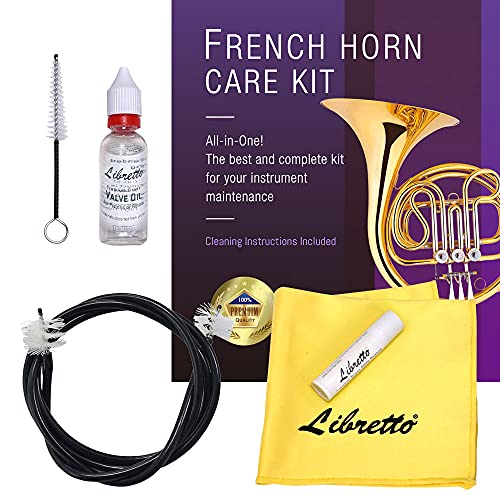 |
Libretto French Horn ALL-INCLUSIVE Cleaning & Care Kit with Instructions: Valve Oil + Slide Grease + Cleaning Cloth + Mouthpiece & Bore Brushes, Giftable Handy Case. Clean & Extend Life of your Horn |
Before You Start
Prepare a clean workspace and gather all tools before beginning. Use lukewarm water and a mild brass-safe detergent or none at all for most routines. Ensure the horn is cool before handling; avoid hot water that can damage finishes. Never soak the instrument for long periods, and avoid harsh chemicals that could harm slides or springs. Expect a cleaning session to take 20–40 minutes depending on the horn’s condition.
Step-By-Step: How To Clean A French Horn
- Disassemble the horn from mouthpiece to bell, keeping the order in mind for easy reassembly.
- Wipe the exterior with a dry microfiber cloth to remove surface oils and fingerprints.
- Lubricate and prepare the slides if the model requires it, following manufacturer guidance.
- Use the cleaning snake bore brush kit to gently scrub the tubing’s interior, feeding the brush through sections to dislodge buildup.
- Run a dry swab or microfiber tapered cloth through each section to absorb moisture and residual debris.
- Clean the mouthpiece: soak or rinse the mouthpiece, then use the mouthpiece cleaning brush set to brush the cup, shank, and rim.
- Wash or wipe the exterior once more, paying attention to the valves, slides, and water key area.
- Dry all parts thoroughly with clean towels or swabs before reassembling to prevent moisture from collecting inside.
- Reassemble the horn and test for smooth slide action and no sticking valves. Apply lubrication if needed per manufacturer specs.
- Store the instrument in its case in a cool, dry place to prevent moisture buildup between play sessions.
- Document a quick maintenance routine for future sessions, noting any parts that consistently need attention.
Troubleshooting
| Symptom | Likely Cause | Fix | Prevention |
|---|---|---|---|
| Tarnish or residue on exterior | Oils and fingerprints | Wipe with microfiber cloth; use brass-safe polish if recommended | Wipe down after playing; store in case |
| Sticking slides | Moisture or buildup inside slides | Clean internals with bore brush; re-lube as directed | Regular cleaning schedule |
| Water key not sealing | Gasket or seal wear | Inspect and replace seal if needed | Gentle maintenance and prompt replacement |
| Mouthpiece hairline cracks or rough surface | Rinsing with improper tools | Use dedicated mouthpiece brush; avoid harsh scrubbing | Use purpose-built brushes and avoid metal brushes on cup |
Common Mistakes
- Using harsh detergents or abrasive brushes that scratch or corrode brass finishes.
- Forgetting to fully dry components before reassembly, leading to moisture pooling inside.
- Skipping the mouthpiece cleaning, which can harbor bacteria and affect hygiene.
- Applying lubrication to areas where it isn’t recommended by the instrument’s design.
- Ignoring a consistent cleaning schedule, allowing stubborn buildup to form.
Tips For Best Results
- Schedule a routine cleaning after several weeks of heavy practice or concerts.
- Always follow the manufacturer’s guidance for lubrication points and compatible products.
- Use dedicated cleaning tools sized for the horn’s bore to avoid damage.
- Keep a clean, dedicated work surface to prevent cross-contamination with other instruments.
- Store cleaning cloths and brushes separately from other gear to prevent transfer of residues.
Call A Professional
Seek professional help if the horn has persistent sticking slides, dented tubing, leaks around the water key, or if internal corrosion is suspected. Stop using the instrument if you notice unusual sounds, air resistance, or a dramatic change in feel. A qualified brass instrument technician can perform a thorough internal inspection, precise slide alignment, and gasket replacements to restore optimal performance.
FAQ
How often should I clean a French horn?
Light daily maintenance with exterior wipe-downs plus a deeper clean every 2–4 weeks, depending on usage and environment.
What tools are essential for cleaning?
A basic set includes a French horn cleaning snake bore brush kit, a mouthpiece cleaning brush set, and a maintenance cleaning kit with swabs and microfiber cloths.
Can I use water to rinse the instrument?
Yes, lukewarm water is generally safe. Avoid hot water and strong detergents that could damage finishes or seals.
Is it normal for moisture to accumulate after playing?
Some moisture is normal; ensure thorough drying during reassembly to prevent corrosion or mold growth.
Should I oil the slides after cleaning?
Follow the horn’s manufacturer guidance. Some models require lubrication; others rely on dry lubrication or specific slide oil.
What if the mouthpiece is clogged?
Use a dedicated mouthpiece brush set to clean the cup and shank; avoid forcing debris with hard objects.
Will cleaning affect my warranty?
Routine maintenance as described by the manufacturer is typically allowed; consult your warranty for specifics.
Buying Guide
When selecting cleaning supplies for a French horn, consider size compatibility with the instrument’s bore, ease of use, and maintenance impact. A good cleaning kit should cover the interior tubes, mouthpiece care, and exterior polishing without requiring harsh tools. Look for kits that include microfiber cloths, non-abrasive brushes, and swabs designed for brass instruments. Noise levels, storage space, and compartment organization are practical factors for home use. Consider a kit that packages separately sold items like additional mouthpiece brushes or specialty swabs for deeper cleans. A well-rounded kit helps maintain consistent tone, smooth valve action, and overall instrument longevity.
Leave a Reply