How to Clean a Mitsubishi Mini Split for Peak Performance
Regular cleaning helps Mitsubishi mini splits run efficiently, improve air quality, and extend the life of the system. This guide provides practical, step-by-step instructions for American homeowners and renters who own or service a Mitsubishi mini split.
Following a safe, systematic approach makes maintenance straightforward. The process focuses on accessible components like the evaporator coil, filters, and accessible condenser coils, using consumer-friendly tools and dedicated cleaners where appropriate.
Quick Answer
Power off the system, remove and clean or replace filters, spray or wipe down the evaporator coil with a suitable coil cleaner, and gently comb condenser fins. Reassemble and test the unit. Schedule periodic checks to maintain efficiency.
What You’ll Need
- Mitsubishi mini split cleaning kit evaporator coil
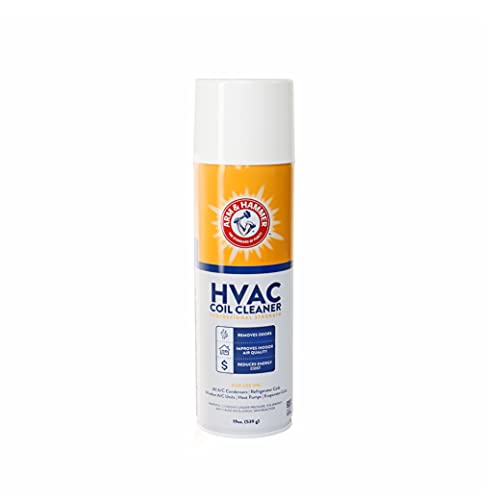
- coils cleaner spray for mini split air conditioner
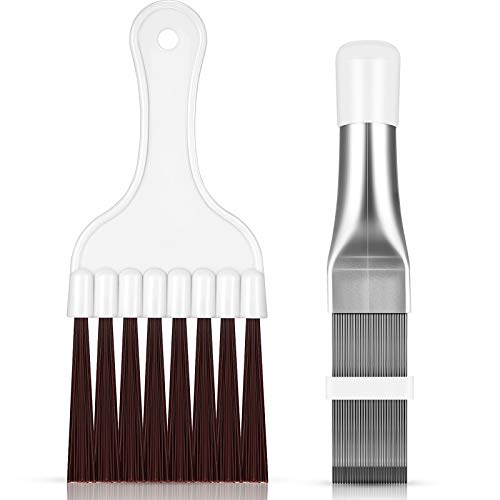
- fin comb for air conditioner condenser coils
- soft brush or microfiber cloth
- vacuum with narrow nozzle
- gaffer tape or microfiber cleaning cloth for seals
- non-abrasive spray bottle with water

Before You Start
Work in a well-ventilated area and ensure the unit is completely powered off at the breaker. Allow the indoor and outdoor units to cool before touching. Wear protective gloves and eye protection if using chemical cleaners. Mark the indoor unit’s airflow direction so reassembly preserves proper airflow. Allocate 30–60 minutes for most home cleanings, more if detaching hard-to-reach components.
Step-By-Step: How To Clean A Mitsubishi Mini Split
- Turn off and unplug the system at the main power switch; lockout to prevent accidental restart.
- Open the indoor unit panel and remove access panels to reach the air filter and evaporator coil.
- Remove the washable filters and rinse them under cool water. Let them dry completely before reinstalling.
- Gently vacuum the evaporator coil surface using a narrow nozzle to remove loose dust.
- Apply the coils cleaner spray for mini split air conditioner according to the product instructions, coating the coil fins without oversaturation.
- Let the cleaner dwell briefly, then rinse if the product requires it, using a damp cloth or spray bottle to remove residue.
- Use a fin comb for air conditioner condenser coils to straighten bent fins on the outdoor unit if accessible; work carefully to avoid bending more.
- Wipe down the interior surfaces and replace the filters with clean, dry ones; reassemble panels securely.
- Reopen the power, run a quick test in cooling mode to verify airflow and noise levels are normal.
- Schedule routine cleaning every 6–12 months, or more frequently in dusty environments or after heavy pollen seasons.
- If any persistent odors, moisture, or unusual noises appear, stop and consult a professional before continuing.
- Document the maintenance and note any performance changes for future reference.
Troubleshooting
| Symptom | Likely Cause | Fix | Prevention |
|---|---|---|---|
| Weak airflow after cleaning | Filter not seated, coil buildup remaining | Re-seat filter; re-clean evaporator coil | Clean coils and filters regularly |
| Unpleasant odor from indoor unit | Moisture or mold in filter or duct | Replace odor-prone filters; clean with approved spray | Keep area dry and reduce humidity |
| Fan runs but no cooling | Electrical or refrigerant issue | Shutdown and call a pro | Regular inspections to catch issues early |
| Outdoor coil fins bent | Debris or improper cleaning | Careful fin comb use; avoid aggressive bending | Inspect fins after outdoor cleaning |
Common Mistakes
- Using harsh household cleaners on coils, which can corrode fins
- Letting cleaners sit too long or rinse water into electrical components
- Rushing the filter reinstallation or not letting filters dry completely
- Ignoring outdoor unit cleanliness, especially in dusty or sandy environments
Tips For Best Results
- Coordinate cleaning during mild weather to avoid extreme heat or cold exposure for the outdoor unit
- Use a dedicated coils cleaner spray designed for mini splits for safer, more effective results
- Keep a maintenance log with dates and observations to track performance changes
- Align the airflow direction marks to ensure balanced distribution after servicing
Call A Professional
Call a professional if you notice refrigerant leaks, unusual noises after cleaning, inadequate cooling despite cleaning, or any electrical smells. Do not attempt refrigerant handling yourself; it requires licensed technicians and specialized equipment. Also seek help if outdoor access is restricted or the unit is not safely reachable.
FAQ
Can I use a traditional spray cleaner on the evaporator coil?
It is best to use a coil cleaner spray formulated for mini splits to avoid damaging fins and components.
How often should I clean my Mitsubishi mini split?
Clean the filters monthly during peak dust or pollen seasons, and perform a full coil and fin check every 6–12 months depending on use and environment.
Is it safe to clean the outdoor condenser coils myself?
Light cleaning is possible, but avoid high-pressure sprays that can damage fins; use a fin comb gently and consider professional cleaning if outdoor access is difficult.
What if the unit still isn’t cooling well after cleaning?
Check for refrigerant issues, sensor malfunctions, or airflow restrictions; a licensed technician should diagnose these deeper problems.
Do I need to turn the system off permanently after cleaning?
No. After cleaning, restore power and test the system to ensure proper operation and airflow.
Should I replace the air filters every cleaning?
Yes, replace or thoroughly clean filters during each maintenance cycle to maintain optimal airflow and efficiency.
Buying Guide
When shopping for components and accessories for Mitsubishi mini split maintenance, consider these factors to choose effective, compatible options for your system:
- Size and compatibility: Ensure coil cleaners and fin combs are suited for Mitsubishi mini split models and the outdoor condenser layout.
- Noise level and energy efficiency: Consider low-noise tools that minimize disruption during maintenance and support long-term efficiency improvements.
- Controls and ease of use: Look for user-friendly spray bottles, clear instructions, and sturdy brushes or combs that fit your unit’s fin spacing.
- Placement and environment: Outdoor coil access and indoor panel design affect how you approach cleaning; plan accordingly for dusty or coastal environments.
- Durability and safety: Select non-corrosive cleaners and tools made for use around electrical components; follow manufacturer guidelines.
- Maintenance interval and cost: Balance professional service frequency with DIY maintenance to optimize reliability without excessive expense.
Would you like help choosing between specific products or compatible kits for your Mitsubishi mini split setup? I can tailor recommendations to your model and local environment.
Leave a Reply