How to Get Rid of Pill Bugs in the Garden
Pill bugs, also known as roly polys, are common garden crustaceans that mainly feed on decaying plant matter. While they can help break down organic material, heavy populations may damage seedlings, roots, and tender greens. This guide covers practical, American-friendly methods to reduce pill bug activity using safe, gardener-friendly tools.
By combining environmental adjustments with targeted controls, you can create a less inviting habitat for pill bugs while protecting beneficial soil life.
Quick Answer
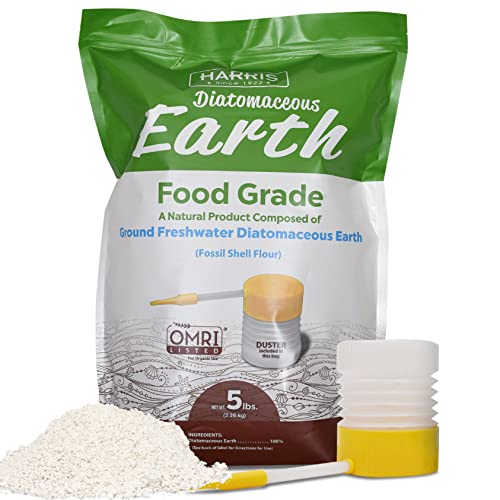
Start by reducing moist, organic debris and applying a physical barrier like a pill bug trap for garden outdoor sticky trap. For active hotspots, dust affected soil with food grade diatomaceous earth garden pest control 5 lb, and consider introducing beneficial nematodes for soil pests garden use to naturally diminish populations.
What You’ll Need
- Food grade diatomaceous earth garden pest control 5 lb
- Pill bug trap for garden outdoor sticky trap
- Beneficial nematodes for soil pests garden use
- Gloves and a mask for dust applications
- Mulch or organic debris rake for cleanup
- Watering tools for soil moisture management
- Soil thermometer or moisture meter (optional)


Before You Start
Assess the infestation level and identify hotspot zones, such as shaded, damp areas under mulch, compost piles, or near irrigation lines. Wear protective gear when handling diatomaceous earth and nematodes, and avoid applying diatomaceous earth to wet surfaces as it loses effectiveness. Plan applications for dry, calm days to prevent drift. Prepare the area by clearing debris, repairing drainage, and reducing standing water where possible. Estimated prep time is 15–30 minutes; ongoing maintenance may require weekly checks during peak months.
Step-By-Step: How To Control Pill Bugs In The Garden
- Identify microhabitats: Inspect shady corners, under mulch, compost bins, and near irrigation pipes to map where pill bugs congregate.
- Reduce moisture: Water less frequently and improve drainage in the affected beds to make surfaces less hospitable for pill bugs.
- Clean up debris: Remove fallen leaves, decaying plant matter, and dense mulch piles that provide shelter.
- Set sticky traps: Place a pill bug trap for garden outdoor sticky trap along edges of beds or near known hotspots to capture wandering individuals.
- Apply diatomaceous earth: Lightly dust exposed soil and mulch with food grade diatomaceous earth garden pest control 5 lb, focusing on damp, shaded areas. Reapply after rain.
- Introduce beneficial nematodes: Apply beneficial nematodes for soil pests garden use according to label directions to target pill bug larvae in the soil.
- Improve barriers: Create a dry, sunlit buffer by thinning dense mulch and using raised beds where appropriate to deter habit formation.
- Monitor and rotate: Check traps and soil conditions weekly; adjust moisture and debris removal as populations decline.
- Reassess pests: If pill bugs persist, consider combining methods or expanding nematode applications to nearby areas in subsequent weeks.
Troubleshooting
| Symptom | Likely Cause | Fix | Prevention |
|---|---|---|---|
| Pill bugs reappear after a few days | Moist, organic litter remains | Increase debris removal and adjust irrigation | Keep mulch thinner and drier in shelters |
| Diomo not effective after rain | Moisture washed away the dust | Reapply after soil dries; avoid applying to wet surfaces | Target dry days for dusting |
| Sticky traps catch few bugs | Traps placed far from hotspots | Relocate traps to observed activity zones | Place traps along bed edges and near cover |
| Nematodes show poor results | Soil temperature or moisture outside label range | Water as directed and apply within recommended window | Apply in early evening or cool mornings when soil is moist |
Common Mistakes
- Overwatering around beds, creating ideal pill bug habitats.
- Over-application of diatomaceous earth in windy or wet conditions.
- Relying on a single method instead of an integrated approach.
- Neglecting to clean up decaying material that feeds pill bugs.
Tips For Best Results
- Combine moisture management with physical barriers for the strongest effect.
- Use sticky traps as a monitoring tool rather than a sole control method.
- Coordinate nematode applications with soil conditions—cool, moist nights are ideal.
- Apply diatomaceous earth at the soil surface, not in deep soil layers where it’s less effective.
- Rotate methods seasonally to prevent pill bugs from adapting to one approach.
Call A Professional
Seek professional help if pill bug activity expands beyond the initial beds or if a large area is affected. Signs that require a pro include widespread damage to valuable plants, persistent moisture issues despite remediation, or repeated pesticide-like product failure. A licensed pest control expert or local extension service can offer targeted strategies and ensure safe, compliant treatment in homes with children or pets.
FAQ
What are pill bugs?
Pill bugs are small crustaceans commonly found in damp garden environments; they feed on decaying organic matter but can harm young plants in large numbers.
Are diatomaceous earth and nematodes safe for gardens?
Yes. Food-grade diatomaceous earth is generally safe when used as directed, and beneficial nematodes are a natural predator for soil pests when applied correctly.
How often should I reapply remedies?
Dry conditions and heavy rain can affect effectiveness. Reapply diatomaceous earth after rainfall; follow label timing for nematodes.
Can I prevent pill bugs in the future?
Yes. Improve drainage, reduce mulch depth near plant crowns, and maintain a tidy garden with minimal shelter for pests.
Buying Guide
Choosing the right controls depends on garden size, climate, and pest pressure. When evaluating options:
- Size and scope: Larger beds may benefit from a scalable solution like diatomaceous earth for edge treatments combined with nematodes for soil life.
- Noise level and energy efficiency: Most tools are silent; traps and dust applications have no moving parts, making them low-maintenance.
- Controls: Look for simple, label-compliant products with clear directions for application, timing, and safety.
- Placement: Traps should align with hotspot edges; soil treatments work best on dry surface areas.
- Climate compatibility: Nematodes require appropriate soil moisture and temperature for activation; adjust timing to local conditions.
- Maintenance: Choose products that are easy to reapply after rain and safe for beneficial organisms.
For best results, use an integrated approach that combines moisture control, debris cleanup, and targeted treatments. If unsure, beginning with a small test area helps gauge effectiveness before scaling up.
Leave a Reply